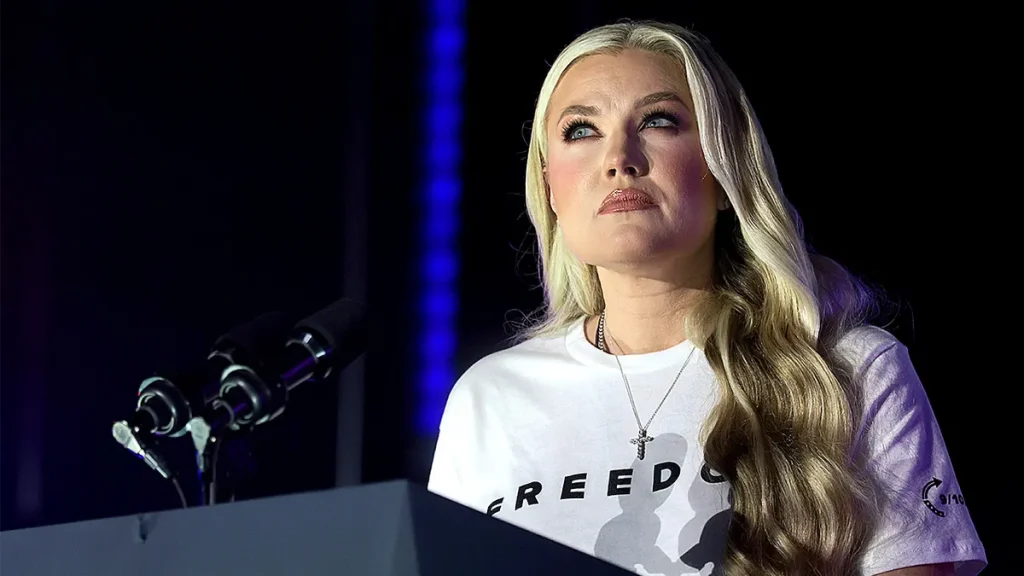
The Widow's Fight: Can Erika Kirk Sue Her Husband's Killer—or the Family Who Gave Him the Gun?
The cause of death for Charlie Kirk, 31, founder of the conservative youth movement Turning Point USA, has been officially confirmed by Utah authorities. According to state investigators, Kirk died from a gunshot wound to the neck on September 10, 2025, during a campus appearance at Utah Valley University.
He was mid-sentence in front of thousands when a single bullet ended his life. Within hours, the suspect was identified as Tyler Robinson, a 22-year-old former student. And within days, the nation was asking a harder question: Can Erika Kirk—his widow—hold anyone else accountable?

A Widow’s Final Memory
Nearly two months later, Erika Frantzve Kirk spoke publicly for the first time. Appearing on Fox News with Jesse Watters, she described walking into the hospital room and seeing her husband’s still face.
“He had this smirk,” she said through tears. “That smirk said, You thought you could stop what I built. You got my body; you didn’t get my soul.”
The moment became a symbol of defiance for supporters—and the beginning of Erika’s own legal and moral reckoning.
The Weapon That Sparked a Legal Storm
Federal agents soon located the rifle used in the shooting: a German-made Mauser 98, a military bolt-action weapon dating back to the World Wars. Law-enforcement officials told NBC News the gun likely entered the U.S. before 1960s serialization laws—making it effectively untraceable.
Investigators later confirmed the rifle belonged to Robinson’s grandfather and had been re-barreled to fire modern .30-06 rounds. Former ATF official Scott Sweetow called it a chilling precedent:
“Short of presidential-level protection, there’s no way to defend against the threat posed by these rifles.”
For prosecutors, that heirloom opened a crucial question: if a family passes down a deadly weapon, can they be held civilly liable when it’s used in a crime?
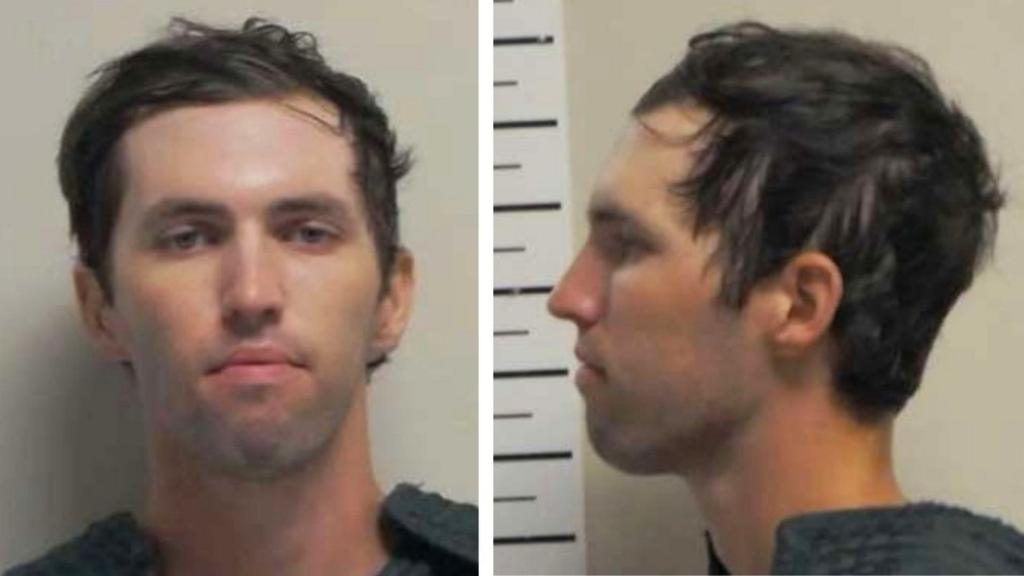
Suspected killer Tyler Robinson remains in custody following a 33-hour manhunt that ended when his father convinced him to surrender
The Family That Turned Him In
Robinson’s parents recognized him in FBI surveillance footage and persuaded him to surrender on September 11. The father, Matt Robinson, drove his son to authorities—an act that may have prevented further violence but also drew attention to how that same household stored a century-old firearm.
The $12 Million Estate Kirk Left Behind
At 18, Charlie Kirk co-founded Turning Point USA; by 2023 the nonprofit was valued at more than $80 million and employed nearly 500 people. His personal fortune—estimated at $12 million by PennLive—included:
-
A $4.75 million desert estate near Phoenix
-
A Florida Gulf Coast condominium
-
A secondary Arizona apartment used for podcast recording
Those assets now pass to Erika Kirk and the couple’s two young children, ages 3 and 1. But wealth has not shielded the widow from grief—or the possibility of a prolonged civil battle.
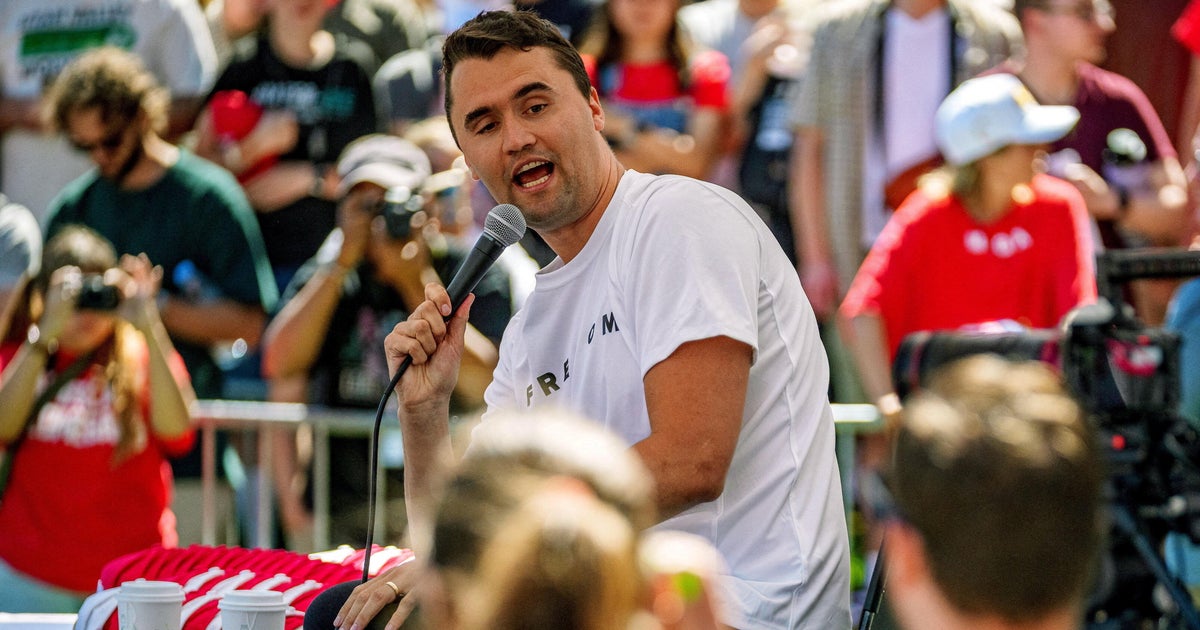
Charlie Kirk, a conservative activist and co-founder of Turning Point USA, died Wednesday 10 September 2025 after he was shot at an event at Utah Valley University.
Can Erika Kirk Sue the Shooter?
Yes. Under Utah’s wrongful-death statute, a surviving spouse may sue anyone whose intentional or negligent act causes a death. A civil action is separate from criminal prosecution, meaning Erika can pursue damages while the criminal case proceeds.
“In Utah, when a person’s death results from the wrongful act or neglect of another, the Wrongful Death Act allows a surviving spouse, children or parents to bring a civil claim independently of any criminal proceedings.”
— Kenneth L. Christensen, Founding Partner at Christensen & Hymas, a Salt Lake City personal-injury law firm.
Such a lawsuit would allow the Kirk family to recover losses for income, companionship, and punitive damages. Even if the shooter lacks assets, the verdict itself would become a lasting legal acknowledgment of harm.
Can She Sue the Shooter’s Estate or Family?
If Tyler Robinson possessed property or dies in custody, Erika could file a claim against his estate. But the more complex—and consequential—question involves his relatives.
Civil attorneys point to negligent entrustment, a doctrine holding gun owners liable if they knowingly allow access to a dangerous weapon. If investigators prove the Mauser rifle was left unsecured or that relatives ignored warning signs, the family could face a lawsuit.
Recent precedents strengthen this path:
-
In 2024, the parents of Michigan school shooter Ethan Crumbley were convicted of involuntary manslaughter for failing to secure a firearm.
-
Families from Parkland and Sandy Hook obtained multimillion-dollar settlements from manufacturers and guardians for ignoring clear risks.
“Victims’ families often underestimate how powerful a civil claim can be,” notes Erin Murphy, partner at Cahill Gordon & Reindel LLP, in a 2024 Reuters interview on wrongful-death suits. “Even when the defendant is in prison, the judgment itself restores agency to the survivors.”
(Sources: Reuters 2024; Law.com 2024)
Legal Spotlight: How a Wrongful-Death Suit Works
-
Filing the Complaint – The plaintiff (Erika Kirk) submits a civil claim in Utah state court within two years of the death.
-
Discovery Phase – Both sides exchange evidence: police reports, gun-storage records, digital communications.
-
Liability Theories – Intentional act (murder), negligent entrustment (unsafe firearm), or vicarious negligence (family inaction).
-
Damages – Lost income, emotional suffering, punitive awards for reckless disregard.
-
Enforcement – Judgments can attach to property, trust funds, or even future wages.
For readers, this framework mirrors how any family could seek justice after a violent crime—illustrating that civil court often becomes the final arena for moral accountability.
The $1 Million Reward Controversy
Within hours of the killing, donors including Bill Ackman, Robby Starbuck, and Alex Bruesewitz pooled over $1.15 million in reward money for information leading to the suspect’s arrest.
When news broke that the tip came from Robinson’s own father, the public asked: Should he get paid for turning in his son?
Under the U.S. State Department’s Rewards for Justice program, an individual cannot nominate themselves; the FBI must do so, and the Secretary of State has complete discretion to approve or deny payment.
Ackman wrote on social media that he would honor the pledge “if it is earned,” but warned:
“If the father was involved or acted negligently, civil litigation or criminal prosecution will reverse any unjust compensation.”
Commentators urged the Robinson family to decline the money and direct it to the Kirk family fund instead. If Erika later files a civil suit, any reward paid to the shooter’s relatives could be frozen or seized to satisfy a judgment.
Why This Matters for Victims’ Families
Each year, roughly 15,000 Americans file wrongful-death or negligence suits after violent crimes, according to the ABA Journal. Most recover little financially—but many describe the process as an essential form of closure.
For widows like Erika Kirk, the choice to sue isn’t only about damages. It’s about writing the legal final chapter of a story that began with violence. In civil court, she can force testimony, expose negligence, and establish accountability that outlives the criminal sentence.
The Broader Lens: Political Violence and Heirloom Guns
Charlie Kirk’s assassination lies at the crossroads of two national crises—political polarization and unregulated vintage firearms. Millions of pre-1960s rifles, never serialized or registered, remain in private homes.
If the Kirk case triggers even one new precedent on negligent gun storage, it could redefine how courts balance heritage with responsibility. As one Reuters firearms analyst noted, “When a family heirloom becomes an assassin’s weapon, the law must decide where tradition ends and duty begins.”
Faith, Fury, and the Road Ahead
Since her husband’s death, Erika Kirk has leaned on faith and activism.
“There is no linear blueprint for grief,” she wrote on Instagram. “Love doesn’t ask to be healed—it asks to be remembered.”
She now leads Turning Point USA as CEO, raising two children while navigating national attention. Legal insiders expect any civil action to follow the shooter’s criminal trial in 2026. If evidence confirms that the rifle’s storage violated safety norms, a wrongful-death suit against the Robinson family appears likely.
“They got my husband’s body,” Erika said in her first public address, “but they didn’t get his soul.”
Final Reflection
Charlie Kirk’s death began with a single heirloom rifle and has evolved into a debate about justice, family responsibility, and the meaning of faith under fire.
For Erika Kirk, the path forward may weave through both courtroom and conscience. Whether she sues or forgives, her decision will echo beyond one family—testing how far the law can reach when tragedy begins at home.
Erika Kirk Shooter Law Suit FAQ's
Can Erika Kirk sue the shooter while he is already facing a criminal trial?
Answer: Yes. A civil wrongful-death lawsuit (seeking financial damages and acknowledgment of harm) is completely separate from the criminal prosecution (focused on punishment). She can pursue a claim regardless of the criminal trial outcome or the shooter's current status.
What is the legal basis for suing the shooter's family over the gun?
Answer: The primary legal theory is negligent entrustment. This doctrine holds a gun owner liable if they failed to secure the weapon, or knowingly allowed a potentially dangerous person access to it. If the century-old Mauser rifle was left unsecured, the family could face a lawsuit.
Will the shooter's father receive the $1 million reward money for turning in his son?
Answer: The decision rests with the FBI and State Department. While the father provided the tip, donors have warned that if the family receives the money, it could be subject to legal challenge or seizure if Erika Kirk wins a future civil judgment against them.