Understand Your Rights. Solve Your Legal Problems


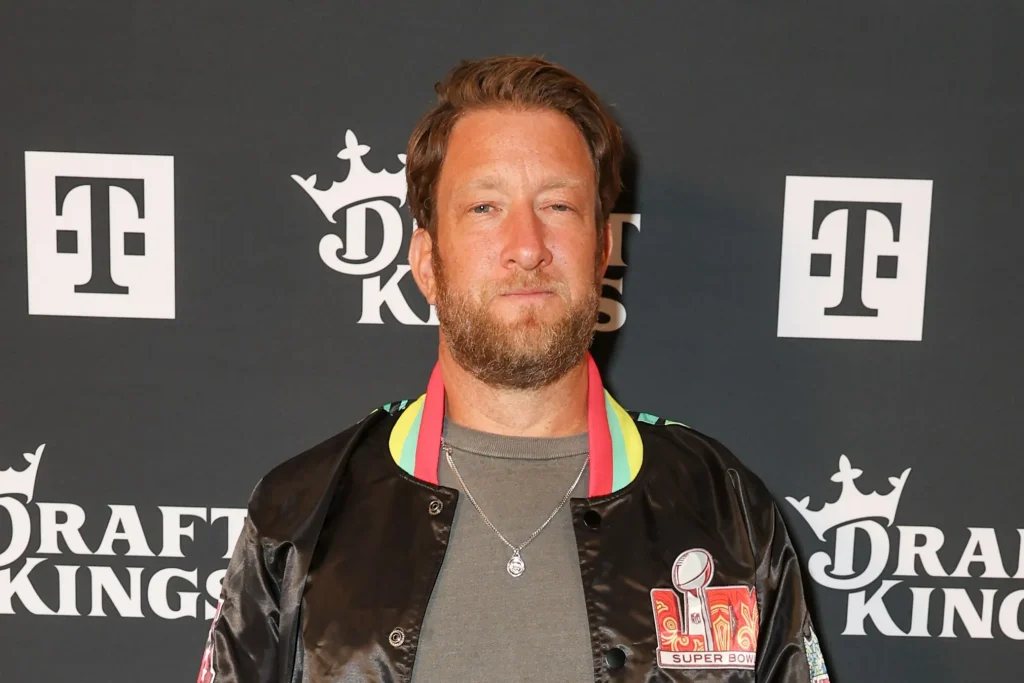
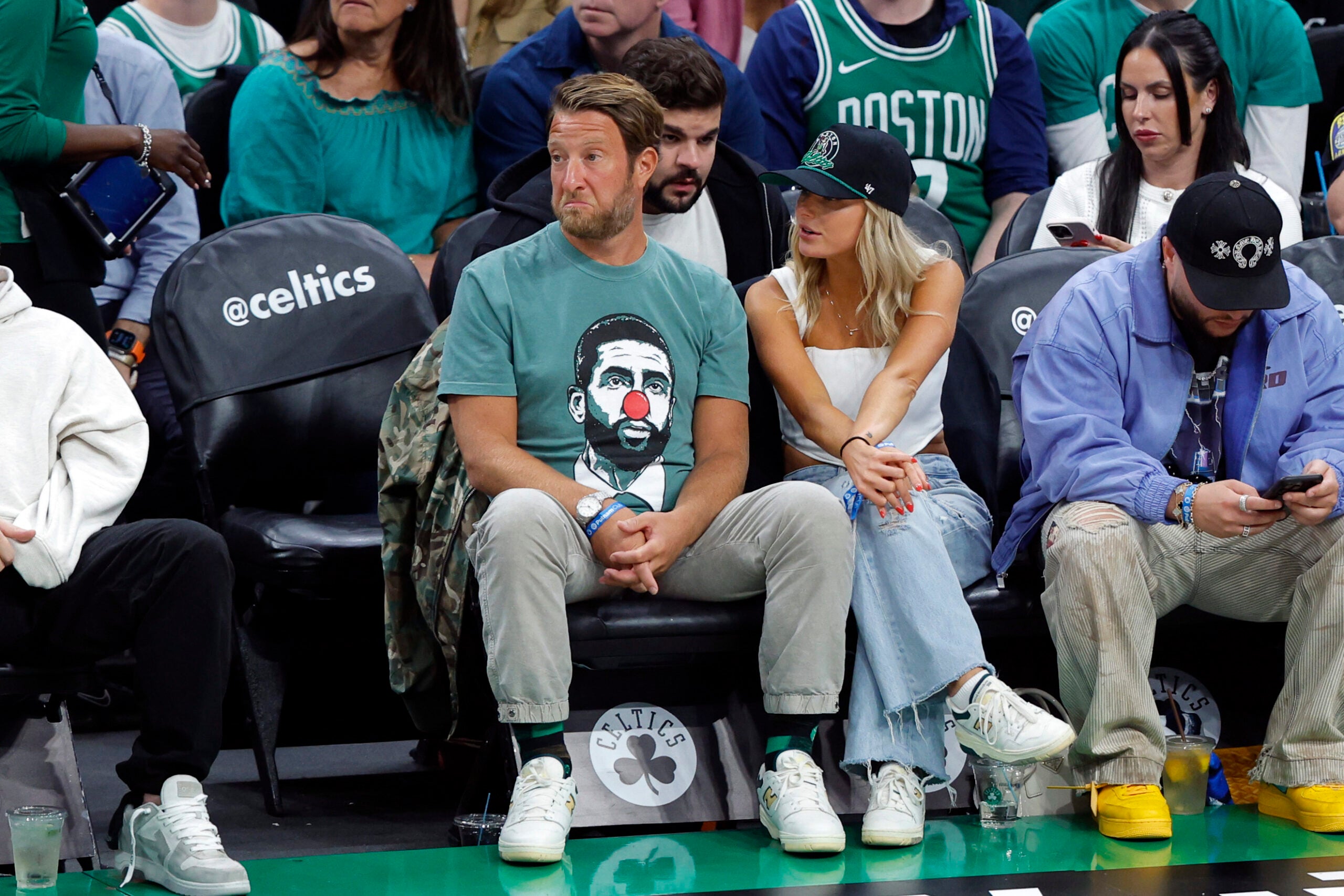
The election of Zohran Mamdani as New York City’s first Muslim mayor on Tuesday night has sparked an immediate backlash from Barstool Sports founder Dave Portnoy, who publicly threatened to move his company out of the city. Mamdani, a self-described Democratic socialist, won with 50.4% of the vote, defeating former Governor Andrew Cuomo and Republican Curtis Sliwa.
Following the results, Portnoy shared a video on X quoting CNN commentator Scott Jennings, calling Mamdani a “great actor.” In his own post, Portnoy added, “If this is what the people of NYC want, then so be it. Thank God I don’t live there anymore.” The remarks reignited his ongoing feud with New York politics and his growing disillusionment with the city’s direction under progressive leadership.

Dave Portnoy, 48, has long embodied New York’s brash entrepreneurial spirit. As the founder of Barstool Sports—a media empire that started as a free gambling newspaper and grew into one of America’s most influential digital brands—Portnoy’s public persona is synonymous with unfiltered commentary and cultural defiance. His conflict with Mamdani, however, highlights a deeper ideological divide in post-pandemic New York: one between the city’s progressive politics and its business leaders who feel increasingly alienated.
On a recent episode of The Unnamed Show podcast, Portnoy didn’t mince words:
“If it was just me, I’d move the company out of New York City because I hate this guy so much. But I won’t, because there are a lot of people in New York, and I don’t want to change their lifestyle for it.”
Despite that concession, Portnoy later hinted that relocation may still be on the table. “I told our finance guy to start looking around for property. No joke. Take a principled stand.”
According to company data, Barstool employs roughly 1,300 people globally—about 325 of whom are based in New York. Moving the company’s headquarters would not only affect staff livelihoods but also deal a symbolic blow to New York’s post-pandemic business recovery.
Mamdani’s victory marks a historic moment: the first Muslim and first openly socialist mayor in New York City’s history. The 33-year-old, born in Uganda and raised in Queens, has built his political reputation around housing reform, wealth redistribution, and immigrant rights.
At his Brooklyn victory party, Mamdani addressed supporters with a fiery message aimed squarely at President Donald Trump, who had previously called him a “communist.”
“New York will remain a city of immigrants, built by immigrants, powered by immigrants, and now led by an immigrant,” Mamdani declared.
For Portnoy and many like him, those words represented not celebration, but a shift away from the business-friendly ethos that once defined New York’s global status.
Portnoy has threatened to move Barstool before, but this time he may have the leverage to do it. Since regaining full ownership in 2023, he’s expanded offices in Chicago, Miami, and Boston—making a relocation feasible.
Still, leaving New York would mean severing Barstool from its cultural roots. Analysts say any move would be practical, not personal, likely toward low-tax states like Florida or Texas.
Pollster James Johnson warned in The Economic Times: “If anywhere near that number actually left, the economic impact would be seismic.”
Portnoy’s outspoken politics highlight a growing legal gray area: how much political speech business owners can express without crossing workplace or legal boundaries.
The First Amendment protects personal speech from government action, not from consequences inside private companies. As attorney Andrew Kragie told Associated Press,
“The First Amendment does not apply in private workplaces to protect employees’ speech. It actually does protect employers’ right to make decisions about employees, based on employees’ speech.”
Experts like Michael R. Marra of Fisher & Phillips LLP note that employers can restrict political expression to prevent workplace conflict, while S. McKinley Gray III of Ward & Smith P.A. urges “clear, narrowly tailored policies” to limit risk.
The takeaway: business leaders can speak freely, but they must separate personal politics from company policy—especially in states like New York, where Labor Law §201-d protects employees’ lawful political activity outside work.
Whether Portnoy actually relocates Barstool remains uncertain, but the debate reflects a larger narrative about the exodus of entrepreneurs from high-tax, regulation-heavy states. From Elon Musk moving Tesla to Texas to hedge funds shifting from Manhattan to Miami, the pattern is clear: ideological and economic divides are redrawing the map of American business power.
As of now, Barstool’s headquarters remain in New York, but Portnoy’s words have already landed their punch. They tap into a national mood of frustration among business owners who feel politically alienated—and for many readers, that’s the real story behind his outburst.
Is Dave Portnoy really moving Barstool Sports out of New York?
Not yet. Portnoy has expressed serious frustration and has instructed his team to explore alternatives, but no formal relocation has been announced.
Who is Zohran Mamdani?
Zohran Mamdani is the newly elected mayor of New York City, a Democratic socialist and the city’s first Muslim leader.
Why does Dave Portnoy dislike Mamdani?
Portnoy has criticized Mamdani’s policies as “anti-business” and “communist,” claiming his leadership would drive companies away from New York.
What law protects political speech for business owners?
The First Amendment protects individual expression, but workplace laws—like New York’s Section 201-d—limit how employers can act on political beliefs within company settings.