Understand Your Rights. Solve Your Legal Problems


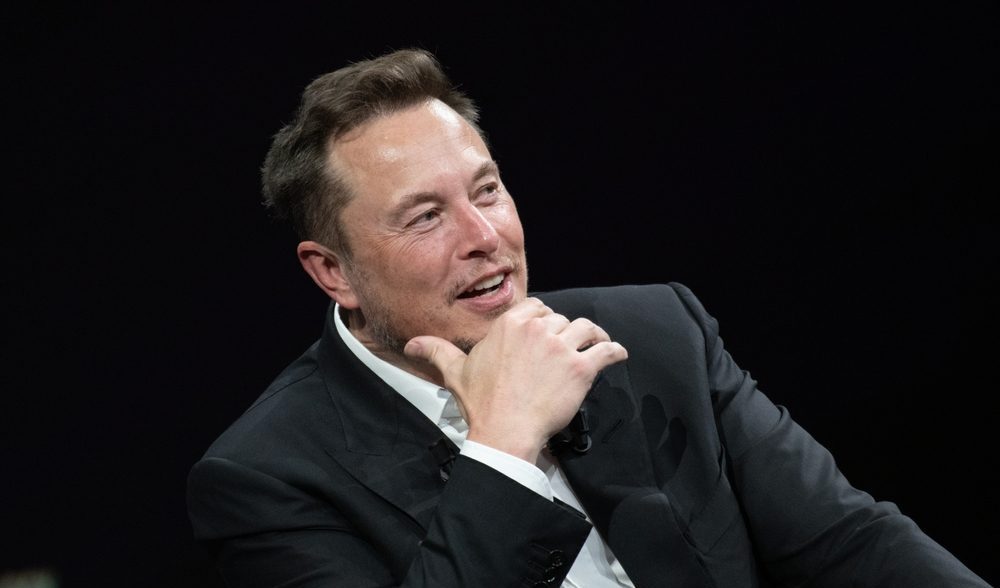
Elon Musk didn’t just post another opinion — he lit a fuse. In a single viral message on X, the world’s richest man accused New York City of running a “scam” election, claiming the mayoral ballot was unfair and misleading. He pointed to three things that, in his view, made the process look rigged: no voter ID requirement, one candidate’s name appearing twice, and former Governor Andrew Cuomo’s name buried in the corner of the form.
Within hours, his post exploded across social media, fueling anger, confusion, and fear that something was deeply wrong with the system. For millions already skeptical about election integrity, Musk’s words hit like a spark in dry grass — igniting a national conversation about whether voters can still trust what’s on their ballot.
What began as a single post quickly became something much bigger: a public showdown over transparency, fairness, and the fragile faith holding democracy together.
The New York City ballot form is a scam!
- No ID is required
- Other mayoral candidates appear twice
- Cuomo’s name is last in bottom right pic.twitter.com/676VODWFRI— Elon Musk (@elonmusk) November 4, 2025
The post has become a critical focal point in the larger American discussion about election integrity and transparency.
It forces a complex question upon every registered voter: to what extent do states have discretionary control over the visual appearance of a ballot, and when does "confusing design" cross the threshold into a legal violation?
The substance of Musk's claims requires careful context within New York's electoral framework, contrasting public perception with legal reality:
Musk's statement accurately reflects New York's position as one of 14 states (plus D.C.) that does not generally require voters to present identification at the polls.
This is a policy choice rooted in state law to ensure accessibility and prevent potential discrimination, placing New York outside the 36 states that require some form of ID.
The only requirement for ID in New York applies to a specific subset of the electorate: first-time voters who registered by mail and failed to provide their required identification numbers (as mandated by the federal Help America Vote Act, or HAVA).
While the absence of a blanket mandate resonates with public concerns about security, this policy places the state on the side of prioritizing ease of access over the stricter security measures adopted by the majority of the nation.
The duplication of candidate names is an accurate observation resulting from New York’s unique electoral fusion (or cross-endorsement) system. This system permits a single candidate to be nominated and listed by multiple political parties.
While fusion voting is legally upheld and enables coalition-building, the ballot presentation has led to significant legal and political friction.
Minor parties, such as the Working Families Party and the Conservative Party, have historically filed lawsuits against the New York State Board of Elections over the counting of "double votes."
When a voter selects the same candidate on two different party lines, the state's counting policy can assign the vote credit to the major party, effectively undercutting the minor party's vote credit needed to retain guaranteed ballot access in subsequent elections.
The issue, therefore, is not just one of confusing design, but of structural political power.
Ballot images confirm Andrew Cuomo’s name occupied a less prominent position. Though placement may appear cosmetic, legal scholars note its tangible influence.
Research on the ballot order effect indicates that placement can influence vote outcomes by a measurable margin (often cited as a 2–5% swing in close races), confirming that ballot design choices are politically significant.
Musk’s critique was narrowly focused on candidates, but the election also highlighted systemic problems in how the city presented complex civic decisions to voters.
In the same election, the ballot contained six highly controversial Ballot Proposals addressing issues like land use and housing development.
A coalition of City Council members and advocates publicly challenged the ballot language for three key housing proposals, arguing the phrasing was misleading and intentionally concealed the fact that the measures would shift decision-making power away from the elected City Council and toward unelected mayoral appointees.
The core legal issue stemming from Musk's post is whether the physical design of the ballot, including name order and duplication can legally infringe upon a voter's fundamental right to equal participation.
Ballot challenges are adjudicated under New York Election Law §7-116 and the Equal Protection Clause of the 14th Amendment.
The law requires a specific, neutral ordering of names, and any deviation that confuses voters or grants an undue advantage can be grounds for legal action.
Professor Richard H. Pildes, a constitutional and election law expert at NYU, has articulated the core legal principle:
“States may set the rules of voting, but they may not adopt ballot structures that impair the fundamental right to equal participation.”
If a ballot design is found to deliberately mislead voters or grant a hidden advantage to a candidate, it moves beyond mere sloppiness and enters the realm of unconstitutional administration.
As Lisa Gilbert of Public Citizen notes, "Even the perception that a ballot is rigged can suppress voter confidence and confidence is the lifeblood of democracy."
A successful challenge could result in a court-ordered ballot redesign or, in extreme cases, a partial re-vote. More importantly, the scrutiny sets a national precedent: the power of a vote is intrinsically tied to the transparency and constitutional fairness of the instrument used to cast it.
If any voter doubts their ballot’s layout or believes it is misleading, they have the right under both state and federal principles to file a formal complaint or notify their local election board.
Electoral fusion (or cross-endorsement) is a legal system in New York that allows a single candidate to be nominated and listed by multiple political parties (e.g., Democrat and Working Families Party). This is why the candidate's name appeared twice—once under each party banner. The system is legally upheld, though the article notes it has led to legal and political friction, particularly concerning how "double votes" are counted toward minor parties' ballot access.
Musk was factually correct that New York does not generally require voters to present photo identification at the polls, a policy shared by 14 states (plus D.C.). This is a state policy choice to prioritize accessibility. However, the statement lacks full context: first-time voters who registered by mail without providing required ID numbers do have a special ID requirement under federal law (HAVA).
Yes, potentially. While New York law permits fusion voting, the design must comply with New York Election Law §7-116 and the Equal Protection Clause of the 14th Amendment. If a ballot design is found to deliberately mislead voters, grant an undue advantage to a candidate, or impair the fundamental right to equal participation, it can be grounds for legal challenge and potentially be ruled unconstitutional.
Ballot design isn’t just a technical issue anymore — it’s a question of trust. Elon Musk’s viral post has pushed millions to ask whether the way our ballots are laid out could quietly shape the outcome of an election.
We want to hear your view: