SBF’s Legal Bomb: Was FTX “Never Insolvent” and Did Judge Kaplan Strip His Defense?
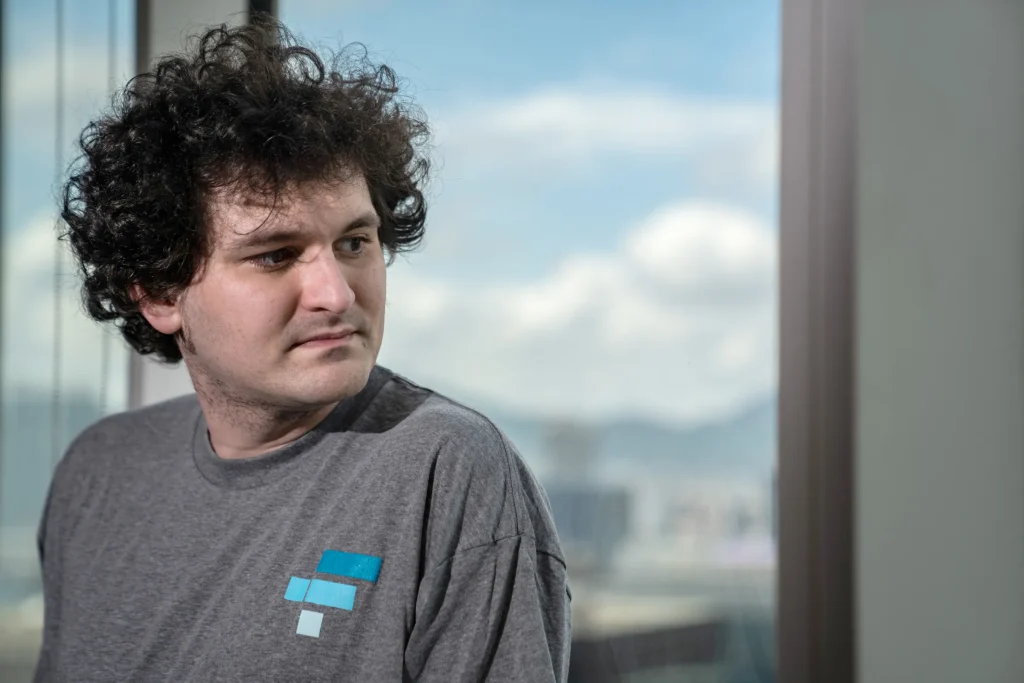
Two years ago, Sam Bankman-Fried’s name was synonymous with betrayal. The hoodie-wearing crypto billionaire who once promised to “build a better financial system” became the face of one of the largest financial scandals in history. But today, behind prison walls, Bankman-Fried is mounting a comeback — not to rebuild his fortune, but to rewrite the story of his downfall.
As oral arguments for his appeal begin in Manhattan this week, the 33-year-old founder of the collapsed FTX exchange is claiming that he was “presumed guilty” from day one — that prosecutors, the media, and even the judge denied him the fair trial that every American is promised.
At the heart of the appeal are two explosive claims: that FTX was never actually insolvent, and that Bankman-Fried was stripped of his right to fully defend himself.
A Family at War With the Narrative
When FTX collapsed in November 2022, it wasn’t just a company that imploded — it was a family’s life’s work unraveling in public view.
Bankman-Fried’s parents, Joseph Bankman and Barbara Fried, both respected Stanford law professors, were left to watch their son transform overnight from wunderkind to criminal pariah. They insist the trial was tainted from the beginning — a media-driven crucifixion that ignored facts and context.
“From the moment he was arrested, Sam was treated as guilty,” a close family friend told reporters. “No one wanted to hear about the balance sheets or the solvency. The story had already been written.”
The public saw a villain. His parents saw a scapegoat — a young man whose idealism collided with a system eager for someone to blame.
The Solvency Question: FTX Was “Never Insolvent”
Bankman-Fried’s latest defense centers on a simple claim that upends the accepted narrative: FTX, he says, wasn’t broke — it was blocked.
In a newly disclosed 15-page statement dated September 30, the former crypto mogul insists that FTX and its sister trading firm, Alameda Research, held $25 billion in assets and $16 billion in equity value when the liquidity crisis hit. The problem, he argues, wasn’t theft — it was timing.
“The crisis FTX faced in November 2022 was a liquidity crisis, not a solvency crisis,” the document reads. “It was on track to be resolved by the end of the month — until FTX’s external counsel seized control.”
According to Bankman-Fried, those lawyers — led by new FTX CEO John J. Ray III — forced the company into unnecessary bankruptcy, generating nearly $1 billion in fees for consultants and liquidating assets worth billions below market value.
He claims that, had those assets been preserved, the FTX estate could have repaid every customer — and then some.
“Today, those assets together with the FTX equity held by Alameda would be worth approximately $136 billion — if the Debtors hadn’t decimated the company,” the statement said.
For his critics, these words sound like revisionism. But for his supporters, they’re a cry for justice — one rooted in a simple question: Was FTX destroyed by fraud, or by panic and mismanagement after he was pushed aside?
“Forced to Fight With One Hand Tied Behind His Back”
Bankman-Fried’s lawyers argue that during his trial, the court’s restrictions made it impossible to tell his side of the story.
Judge Lewis Kaplan, known for his no-nonsense rulings in the Donald Trump and Prince Andrew cases, allegedly barred the defense from introducing key evidence about FTX’s solvency and its reliance on outside counsel.
“In many ways, Sam was fighting with one hand tied behind his back,” said criminal defense attorney Michael Bloch, who is not involved in the case. “The jury never saw the full picture. They saw what the prosecution wanted them to see.”
The result was a one-sided narrative — that Sam Bankman-Fried looted billions in customer deposits to cover Alameda’s risky bets — with little room for nuance or context.
A Long Shot Named Trump
If his appeal fails, Bankman-Fried’s family is reportedly preparing for a last-ditch option: a presidential pardon.
According to The New York Times and The Wall Street Journal, the family has consulted an attorney connected to Donald Trump’s 2016 campaign — a sign that they may be hoping to reach out directly to the White House.
From his prison cell, SBF has made media appearances on conservative platforms, including The Tucker Carlson Show, and in interviews has praised Trump’s approach to crypto regulation. “I know President Trump had a lot of frustrations with Judge Kaplan,” he told The New York Sun. “I certainly did as well.”
The irony is striking. The once-progressive billionaire who funded Democratic causes is now seeking mercy from the Republican president whose second term has been marked by unprecedented leniency toward white-collar offenders.
In just the past year, Trump has pardoned Binance founder Changpeng Zhao and Silk Road creator Ross Ulbricht, both of whom were previously convicted of major financial or cyber-related crimes.
To watchdog groups, these pardons signal a dangerous precedent. “The unmistakable message is: crime pays,” said Dennis Kelleher, CEO of Better Markets. “The administration is incentivizing corruption — because criminals now know that if they have enough money, they can buy a get-out-of-jail-free card.”
Legal Spotlight: Did the Trial Judge Strip SBF of His “Advice-of-Counsel” Defence — and Why That Matters to You?
One of the most critical legal questions in Bankman-Fried’s appeal — and one rarely discussed in the headlines — is whether the trial judge improperly blocked his ability to use what’s known as the “advice-of-counsel” defense.
This defense allows a defendant to argue: I believed my actions were legal because I relied on advice from qualified lawyers. It’s not a get-out-of-jail card — but it can show that the accused lacked criminal intent, a core element of any fraud case.
In the appeal brief, Bankman-Fried’s team argues that Judge Kaplan “severely curtailed” his ability to tell jurors that FTX’s lawyers had approved many of the corporate decisions prosecutors labeled criminal. As Reuters legal analyst Alison Frankel summarized, the judge’s ruling “cut the defense off at the knees,” preventing the jury from understanding how FTX’s operations were legally vetted.
“Blocking that context risks creating a one-sided view,” said defense attorney and former prosecutor Jacob Frenkel of Dickinson Wright. “If you eliminate the ability to show reliance on counsel, you strip away one of the fundamental safeguards of fairness in white-collar prosecutions.”
Why it matters to the public
Most readers will never face a $10-billion fraud trial — but the principle touches anyone who relies on professional advice. If you follow a lawyer’s or accountant’s guidance, the law assumes you’re acting in good faith. When courts narrow that defense, it raises concerns about fairness — and about how accountability is distributed between executives and the legal experts they trust.
The takeaway?
If you run a business, manage investments, or rely on legal guidance, document it. Keep records of your communications, legal memos, and compliance checks. Those records can make the difference between proving good faith and facing criminal exposure if things go wrong.
For Bankman-Fried, this appeal could redefine how future crypto fraud cases are tried — and whether juries are allowed to hear the full story of what advice was given, and by whom.
The Redemption Gamble
Sam Bankman-Fried’s road back to legitimacy may be the longest in modern financial history.
He’s not just appealing a conviction — he’s fighting a moral verdict handed down by the public long before the trial began.
The stakes go beyond one man’s freedom. His case has become a reflection of how we, as a society, decide who deserves redemption — and who doesn’t.
Is he a manipulative genius who built a house of cards, or a reckless idealist swallowed by the system he tried to outsmart?
For now, one thing is certain: his story isn’t over. And whether it ends in vindication or infamy may depend not only on the courts, but on how America decides to judge those who fall from extraordinary heights.
Sam Bankman-Fried’s Trial FAQ's
Was Sam Bankman-Fried’s trial fair?
His lawyers say no — claiming he was prevented from showing evidence that FTX was solvent and that lawyers approved key company actions.
Could Sam Bankman-Fried be pardoned by Donald Trump?
It’s possible. His family has reportedly sought guidance from Trump-aligned legal figures, and SBF has expressed support for Trump’s stance on crypto.
Was FTX really solvent when it collapsed?
SBF claims yes — saying FTX held $25 billion in assets and was pushed into unnecessary bankruptcy by external counsel.
What’s the “advice-of-counsel” defense?
It allows defendants to show they acted in good faith by following legal advice — a right SBF’s lawyers say was wrongly denied.
Final Takeaway:
Sam Bankman-Fried’s appeal isn’t just about crypto or corruption — it’s about fairness, due process, and how quickly public judgment can crush nuance. Whether you view him as a fraud or a fallen idealist, his fight is forcing America to confront an uncomfortable truth: in the court of public opinion, guilt often arrives long before justice.