Understand Your Rights. Solve Your Legal Problems


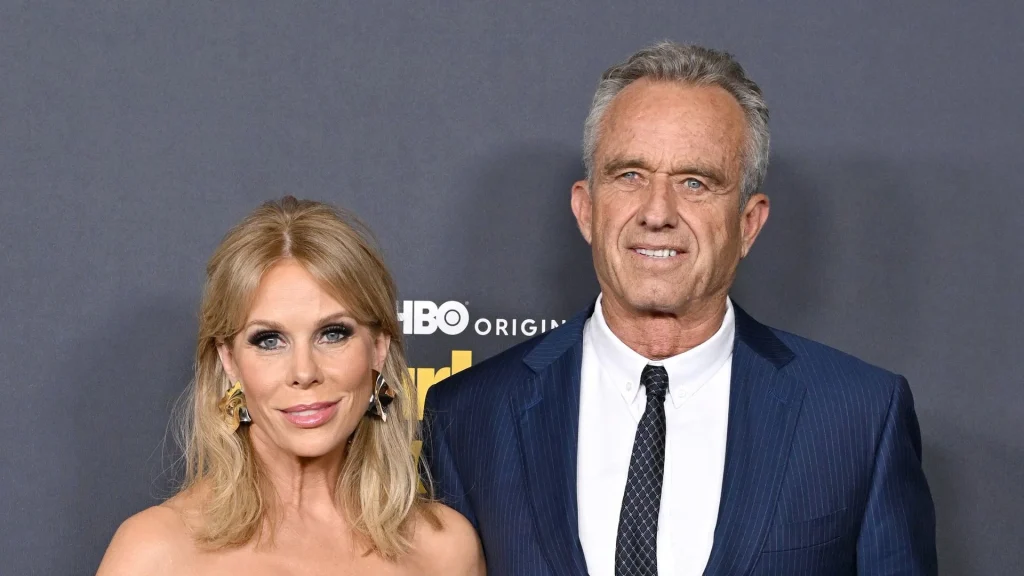
The long-simmering scandal involving Robert F. Kennedy Jr. and political journalist Olivia Nuzzi has just exploded back into the headlines, driven by a raw new interview with Kennedy's wife, actress Cheryl Hines, and the imminent release of Nuzzi’s controversial tell-all book. Hines, the star of Curb Your Enthusiasm, has finally shared her measured, yet clearly pointed, reaction to the alleged digital affair that rocked her marriage and the 2024 political landscape.
In a candid, freshly released sneak peek from The Katie Miller Podcast, Hines downplayed the seriousness of the purported sexting, which occurred during her husband's tumultuous independent presidential campaign. However, her remarks were peppered with evident skepticism about the journalist now poised to profit from the explosive story.
"Bobby had been running for president and it was an exhausting year and a half of headlines and rumors and articles and chaos," Hines recalled of the moment the news broke. "And at that time, I thought, 'Okay, this is more chaos and more rumors.' And, um, it was a lot."
The actress, who has been married to the current Secretary of Health and Human Services since 2014, then delivered a scathing assessment of Nuzzi's motives, suggesting the pursuit of celebrity and attention was the primary driver. When asked about Nuzzi attempting to "monetize herself over Bobby" with her forthcoming memoir, Hines offered this striking dismissal:
"They spend a lot of time figuring out how to write something that's going to get people's attention. And if they do, then they are really celebrating. Whether it's true or false, doesn't matter. If it gets people's attention, it’s a celebration. It's a success for them."
The actress further added a strong warning to her audience, emphasizing the need for personal discernment: "I think you always have to consider the source, right? So that's where I start. And then it ends with a conversation with Bobby." She then pointedly noted of Nuzzi, "I don't know this person. Don't know their intentions. I could guess, but I won't. But you can if you want." This latest news comes as advanced galleys of Nuzzi's book, which promises to detail her year-long "digital relationship" with Kennedy, are now reportedly circulating among media insiders ahead of a major holiday season release.
At its core, Misuse of Private Information (MPI) is a civil claim that recognizes a person's right to respect for their private life. It effectively creates a "digital fence" around your personal data, even when that data is in someone else's hands.
This legal concept doesn't rely solely on contract (like an NDA) or outright theft. Instead, it balances two competing rights: your right to privacy (Article 8 of the European Convention on Human Rights, incorporated into UK law) against the publisher's right to freedom of expression (Article 10).
The "Misuse of Private Information" claim has a two-part test the courts apply:
For the average consumer caught up in a scandal, the stakes are high. Publication of private, non-consensual images or texts can lead to irreversible reputational damage and profound psychological harm. The legal system offers a path to an injunction (a court order stopping the publication) and compensatory damages (money for the distress and harm caused). For example, a court case involving a celebrity's private medical information awarded significant damages, underscoring the legal value placed on privacy.
Knowing your rights isn't enough; you need to be prepared.
Your most powerful tool in an MPI claim is the digital paper trail that establishes your reasonable expectation of privacy.
Key Takeaway: If you ever share sensitive information digitally, you should establish a clear, documented expectation of confidentiality.
The bottom line for any consumer: the law recognizes your right to a private life, but the clearer you make your intent for privacy at the time of communication, the stronger your legal defense becomes if that trust is broken.
According to analysis reviewed by Lawyer Monthly, this complex intersection of digital privacy and public interest forces courts to make difficult rulings. As one prominent legal expert summarized the media law dilemma.
According to Jane Kirtley, Professor of Media Ethics and Law at the University of Minnesota, an undisclosed personal relationship between a journalist and their reporting subject doesn’t just blur professional boundaries — it can erode editorial objectivity and expose both the reporter and their publication to serious reputational and potential legal consequences.
Robert F. Kennedy Jr., as a high-profile public figure, would face the high legal burden of proving "actual malice" in any defamation suit, but the potential for a civil privacy claim remains a significant threat hanging over this entire dramatic saga.
Despite the shocking nature of the news, Hines has consistently presented a united front with her husband, even as he was confirmed to a powerful position in the current administration. She recently published her own memoir, Unscripted, in which she tiptoes around the controversy, only stating that “One would deduce that we love each other and are still married, and whatever we’ve been through is behind us.”
The most recent headlines clearly demonstrate that this difficult chapter is far from closed, especially with Nuzzi, who now serves as the West Coast editor of Vanity Fair, set to drop her tell-all. Hines’s emotional and skeptical new remarks, arriving with impeccable timing, ensure that the public conversation around RFK Jr., Cheryl Hines, and Olivia Nuzzi will remain at a fever pitch as the scandal shifts from secret digital communication to a public literary and legal spectacle. The question now is not just what the book will reveal, but what the consequences will be for the marriage, the political career, and the world of high-stakes journalism.
You can learn more about the fallout and Cheryl Hines' initial reaction in this coverage: Cheryl Hines breaks silence on RFK Jr. marriage after Olivia Nuzzi sexting scandal. This video provides an early media report on Cheryl Hines' first public comments regarding the sexting allegations, framing the beginning of the controversy's public phase.