Stand Your Ground Law Backlash Explodes as New Netflix Film Fuels National Outrage
As of 2025, Florida's Stand Your Ground law remains one of the most controversial self-defense statutes in the U.S., eliminating the traditional duty to retreat before using deadly force. The law grants potential immunity from prosecution, but requires prosecutors to disprove self-defense claims by clear and convincing evidence in pretrial hearings. The Netflix documentary The Perfect Neighbor highlights the law's complexity through the high-profile case of Ajike Owens and Susan Lorincz.
The Case that Shook Florida's Stand Your Ground Immunity is Now a Global Phenomenon
In a powerful new wave of national controversy, Florida’s divisive Stand Your Ground law is back in the spotlight, driven by a recent, high-profile shooting case that has been transformed into a searing new documentary. This isn’t just an academic debate anymore; it's a story of a neighborhood feud that turned deadly, exposing the shocking, real-world consequences of a law critics call “shoot first, ask questions later.”
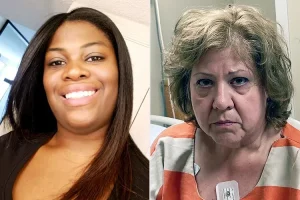
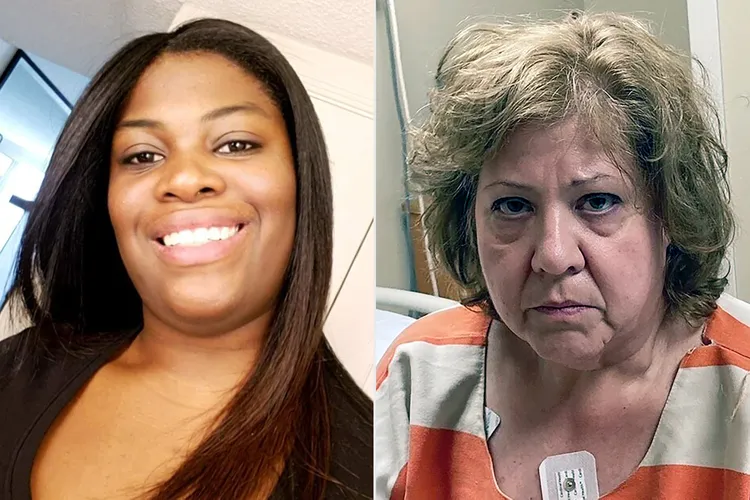
The case of Susan Lorincz, a white woman convicted of manslaughter in the fatal shooting of her Black neighbor, Ajike “AJ” Owens, has become a fresh lightning rod for those seeking to abolish the law. The shocking details—Owens was unarmed, shot through a closed door, and had merely approached her neighbor after an altercation involving her children—have been brought to vivid life in the new Netflix documentary, The Perfect Neighbor. The film, which features extensive police bodycam footage, has reignited the intense national conversation about race, fear, and the legal right to use deadly force.
Lorincz, who claimed she acted in fear for her life under the state's self-defense statute, was ultimately found guilty of manslaughter with a firearm in 2024 and sentenced to 25 years in prison. Yet, the initial delay in her arrest, due to the very Stand Your Ground law she invoked, sparked massive protests and national fury. Experts say this case proves the statute’s critical flaw: it empowers a shooter to immediately gain legal protections based on an often-unsubstantiated claim of fear.
Legal Context: The Immunity Clause That Stacks the Deck
Florida Statute S 776.012 is infamous for removing the duty to retreat and giving a person the legal right to use deadly force if they "reasonably believe" it is necessary to prevent imminent death or great bodily harm. However, the most controversial element is its unique provision for pre-trial immunity from prosecution.
This immunity, which Florida first added to the law in 2005, means a defendant can request a hearing to prove they were acting in self-defense, potentially exempting them from ever facing a jury trial. As legal scholar Mary Anne Franks of the University of Miami Law School starkly put it, this system is “essentially stacking the deck repeatedly in favor of people shooting other people.”
The 2017 Shift That Prosecutors Are Still Fighting
The legal battle intensified dramatically in 2017 when the Florida Legislature altered the burden of proof in these pre-trial hearings. Previously, the defendant had to prove their self-defense claim was “more likely than not.”
Now, under the revised law, the burden is flipped: prosecutors must prove by “clear and convincing evidence” that the defendant did not act in self-defense. This is a significantly higher legal standard. Hillsborough County State Attorney Andrew Warren, who was suspended by the Governor in a separate controversy partly over his reformist policies, described the change as turning “250 years of jurisprudence on its head.” The legal challenge over Warren's suspension itself, which reached the U.S. Court of Appeals as recently as early 2024, underscored the deep, ongoing political and judicial fight over prosecutorial discretion in the state.
The Data Behind the Drama: Why Critics Call it a 'Racial Weapon'
For critics and civil rights advocates like attorney Benjamin Crump, the Lorincz/Owens case highlights the systemic bias in the application of Stand Your Ground laws.
Studies examining these laws show troubling disparities:
- Racial Bias: According to research compiled by Everytown for Gun Safety, homicides in Stand Your Ground states involving white shooters and Black victims are ruled justifiable more than four times more often than when the roles are reversed.
- Homicide Increase: The controversy is not just about bias; it’s about safety. A 2022 study in JAMA Network Open found that states adopting Stand Your Ground laws saw a national increase in monthly firearm homicides between 8% and 11%. In Florida specifically, some studies have linked the law to a 24% rise in the overall homicide rate following its 2005 enactment.
These numbers illustrate the core fear of prosecutors: the law does not deter crime; it simply broadens the legal cover for a killing. Lorincz's defense team attempted to leverage the law, but the jury ultimately rejected the claim, suggesting that a growing number of the public is questioning the statute’s extreme reach.
The Takeaway: What Happens Next in the Sunshine State?
The intense scrutiny brought by the Perfect Neighbor documentary ensures that Florida’s Stand Your Ground statute will remain a central point of conflict. The law gives citizens a monumental advantage in avoiding accountability for fatal shootings, forcing the state to shoulder a near-impossible burden of proof before a case can even reach a jury.
For the family of Ajike Owens and advocates nationwide, the fight continues. The goal is to move the system away from a philosophy that prioritizes lethal reaction over de-escalation—a change they believe is necessary to prevent future tragedies and restore a sense of balanced justice.
Florida Stand Your Ground Law FAQ's
How does Florida's Stand Your Ground Law differ from the traditional 'Duty to Retreat' self-defense law? Florida's Stand Your Ground law removes the "duty to retreat." If you are lawfully present in a location and reasonably believe force is necessary to prevent death or great bodily harm, you have the right to "stand your ground" and use deadly force without first attempting to escape the situation.
What is the biggest takeaway from the 'The Perfect Neighbor' case regarding the Stand Your Ground law? The Susan Lorincz/Ajike Owens case demonstrates that Stand Your Ground is not a blanket "license to kill." Lorincz was ultimately convicted of manslaughter because the judge and jury found her use of deadly force—shooting through a locked door—was unreasonable and disproportionate to the perceived threat, despite her claim of self-defense.
Who has the burden of proof in a Florida Stand Your Ground case? The burden of proof rests on the prosecution. If a defendant files a motion for immunity, the state must prove by the high standard of "clear and convincing evidence" that the defendant's use of force was not justified. This is a significant advantage for defendants in Florida.
Can I claim Stand Your Ground if I started the confrontation or was committing a crime? No. The law does not protect aggressors or those engaged in criminal activity. If you provoke an attack or are committing a crime when the force is used, the Stand Your Ground defense is invalid, unless you clearly and completely withdraw from the confrontation and are then pursued and attacked.