Understand Your Rights. Solve Your Legal Problems


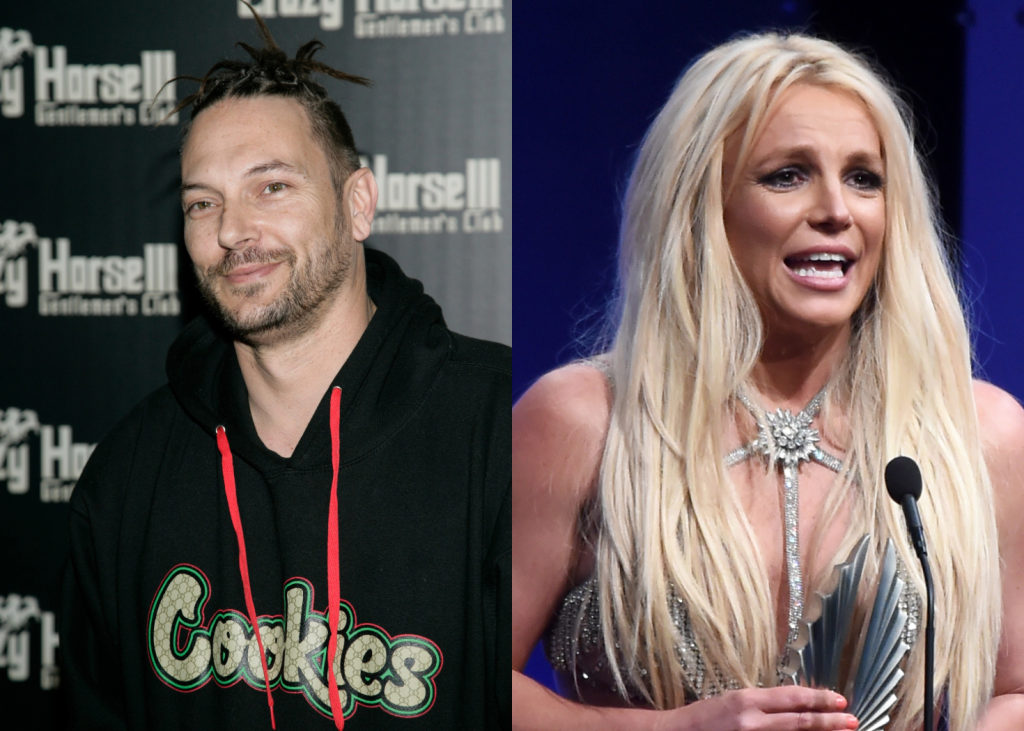
Kevin Federline’s upcoming memoir, You Thought You Knew, is tearing open more than old wounds—it’s asking a serious, public legal question: Can allegations published for profit, years after a court battle, change the custody status of a celebrity parent like Britney Spears?
His allegations that Spears once “punched” their son and acted recklessly have sparked tabloid headlines, but beneath the celebrity noise lies a serious legal issue. Could these claims, even years after their custody battles ended, affect how courts evaluate parental fitness or children’s rights in California?
In California, courts are guided by one principle: the best interests of the child. This means that when evaluating parental fitness or considering custody modifications, judges weigh factors like the health, safety, and welfare of the child, and any history of abuse.
The core hurdle for any party seeking to use a memoir as evidence is timing. Federline and Spears’ original custody orders date back to their 2007–2008 proceedings. Unless new, verifiable incidents arise, old accusations presented in a book—especially one published for profit—have limited impact on any current or future custody modifications. Courts generally require fresh, substantiated evidence, not sensationalized hearsay.
Los Angeles family attorney Christopher C. Melcher, who has handled numerous high-profile cases, notes:
“A parent’s public statements can come back to haunt them, but California judges care about what’s happening now—not tabloid history. If a memoir paints an ugly picture, it may sting reputationally, but it doesn’t automatically change custody orders.”
(Source: christophermelcher.com)
California law recognizes that minors are entitled to privacy—even when their parents are household names.
Under Family Code § 3020, children are protected from exposure to harmful conflict. When either parent publicizes sensitive details about a child—particularly allegations involving health, discipline, or safety—it can cross an ethical, if not legal, line.
While the courts rarely punish speech outright (due to First Amendment protections), they can consider public disclosure as evidence of poor judgment if it endangers the child’s well-being or exposes them to unnecessary media harassment. For a judge, this behavior is a sign of immaturity and poor co-parenting.
High-profile custody cases in California are often partially sealed to protect children’s identities and psychological health. Judges may restrict access to records or bar public discussion of minor children under California Rules of Court § 5.121.
If either Spears or Federline had breached such a protective order—say, by disclosing court-sealed facts in the memoir—the repercussions could be serious, including contempt proceedings. Even absent a seal, lawyers typically advise celebrity clients to refrain from public commentary, precisely because judges view media exposure as potentially harmful to children. Discretion is often viewed favorably in family court.
Hollywood offers no shortage of cautionary tales about celebrity custody. Actor Alec Baldwin’s infamous leaked voicemail to his daughter became headline news and briefly influenced his custody standing in 2007, prompting stricter confidentiality measures in many high-stakes cases. Angelina Jolie and Brad Pitt’s prolonged dispute likewise saw repeated judicial warnings against leaking private custody details to the press.
In each case, the pattern is clear: when parenting disputes go public, reputations suffer—and so can credibility in court. Judges want to see maturity, cooperation, and discretion, not televised warfare.
For Britney Spears, these memoir claims threaten more than just image; they reopen emotional wounds tied to years of litigation and public scrutiny. For Federline, the decision to publish might satisfy a narrative need—but it risks casting doubt on his motives as a co-parent and could violate judicial expectations of discretion.
Family lawyers say this episode highlights a broader truth: in custody matters, every statement can become evidence.
As Melcher puts it, “California courts don’t want to referee PR battles—they want stability for kids. The parents who respect that usually fare better in the long run.”
The legal fallout from You Thought You Knew may never reach a courtroom, but its ripple effect touches on something deeper—the uneasy intersection between fame, privacy, and the law’s duty to protect children caught in the crossfire.
Can a parent lose custody just because of what’s in a book? Not automatically. California courts require credible, current evidence that the statements reflect ongoing harm to the child.
Do celebrity kids have a right to privacy from their parents’ public fights? Yes. California law protects a child’s welfare and emotional security, which includes limiting unnecessary public exposure to disputes.
Can a judge legally tell Britney or Federline to stop talking to the press? They can. Courts may issue gag or sealing orders when publicity could harm the child’s best interests, and they can consider public indiscretion as evidence of poor judgment.
What other celebrity custody cases set the rules for California courts? While not codified, cases like Alec Baldwin’s and Angelina Jolie’s have reinforced judicial emphasis on confidentiality and discretion in family courtrooms.