Understand Your Rights. Solve Your Legal Problems


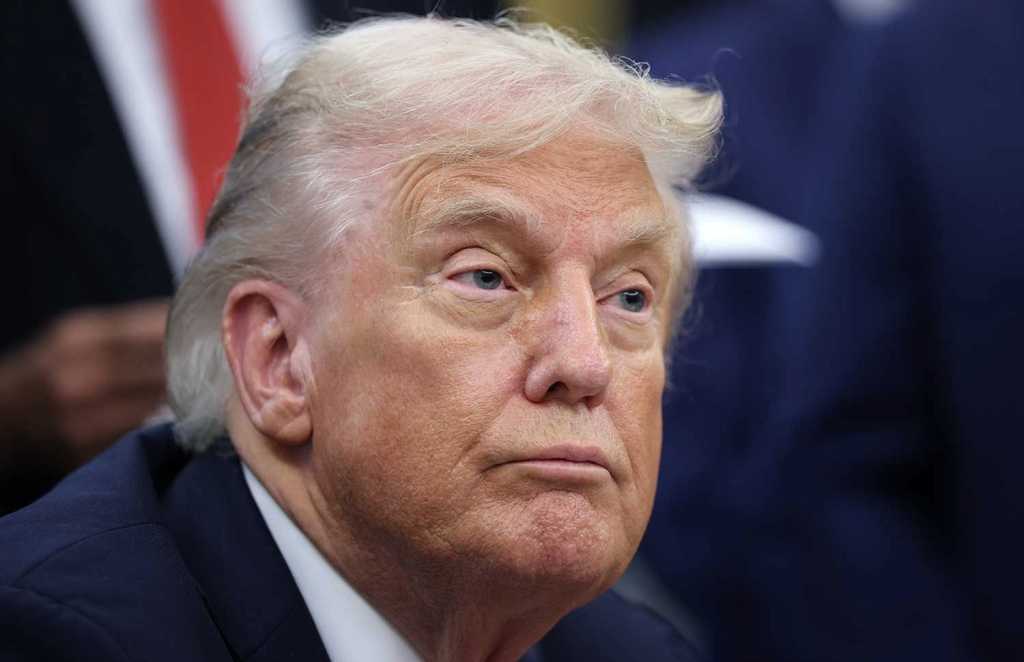
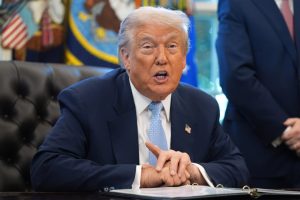
In a tense White House meeting, President Donald Trump stunned reporters by aiming an F-word at Venezuela’s Nicolás Maduro. "He has offered everything,” Trump said of the Venezuelan strongman. “You know why? Because he doesn’t want to f**k around with the United States.”
Trump's explosive comment landed minutes after officials confirmed the latest details of a deadly U.S. military strike in the Caribbean: two survivors from a suspected drug-running semi-submersible are now being held aboard a Navy warship. U.S. sources indicated that the same strike killed two other individuals.

Venezuela's Maduro: Trump has given the CIA the greenlight to conduct operations inside Venezuela
What is a 'Narco-Sub' and Where Did the U.S. Strike?
U.S. forces hit the suspected trafficking vessel, which officials describe as a semi-submersible/submarine-like craft designed to evade detection and smuggle narcotics through the southern Caribbean. This is the first operation in which survivors have been reported since the campaign began in early September.
The strike is the latest escalation in a series of attacks. Earlier this week (Oct 14), Trump said a separate strike killed six men aboard another suspected boat. Roughly 27 deaths have been reported across recent operations.

Narco Submarine Is Almost Impossible To Intercept: Over the last two months, the US military has struck five Venezuelan boats carrying illegal narcotics in the Caribbean sea
Plain-English PAA answer: The U.S. says traffickers are using Venezuelan-linked boats to move cocaine through the Caribbean. Washington argues these networks are "narcoterrorists," meaning the U.S. military can strike them in international waters to stop shipments. In short: the U.S. frames the strikes as counter-terrorism against drug cartels at sea, justifying lethal force.
The President has also authorized the CIA to conduct covert missions inside Venezuela, a sharp escalation that has triggered legal and diplomatic pushback. At sea and in nearby airspace, the U.S. has surged forces; Special Operations helicopters were observed operating near Trinidad, roughly 90 miles from Venezuela, during training tied to the expanded missions.
Legal scholars question whether the U.S. can treat survivors as prisoners of war (POWs) or conduct lethal strikes without explicit congressional authorization. Suspects are not traditional combatants, and the U.S. is not in a declared war with Venezuela. The administration cites counter-terrorism authority and the "narcoterrorist" designation, but critics argue international and domestic law require stricter thresholds for the use of lethal force.
Maduro has blasted the CIA authorization and maritime strikes as illegal aggression, urging international condemnation. Caracas has appealed to the U.N. and warned of a heightened military readiness in response to the U.S. buildup.
Trump’s profanity landed during a high-visibility meeting with Ukrainian President Volodymyr Zelensky at the White House. During the discussion, Trump also discussed limits on sending Tomahawk missiles to Ukraine and teased an upcoming summit with Russian President Vladimir Putin, further highlighting the tense geopolitical backdrop of his comments.
This video discusses the military buildup between the US and Venezuela, providing crucial context for the "narco-sub" strike mentioned in the article: Maduro VS Trump Peaks: 3rd 'Drug Boat' Bombed| US F-35 Jets In Puerto Rico Amid Venezuela Tensions.