Understand Your Rights. Solve Your Legal Problems


Updated October 31, 2025 - 16:54
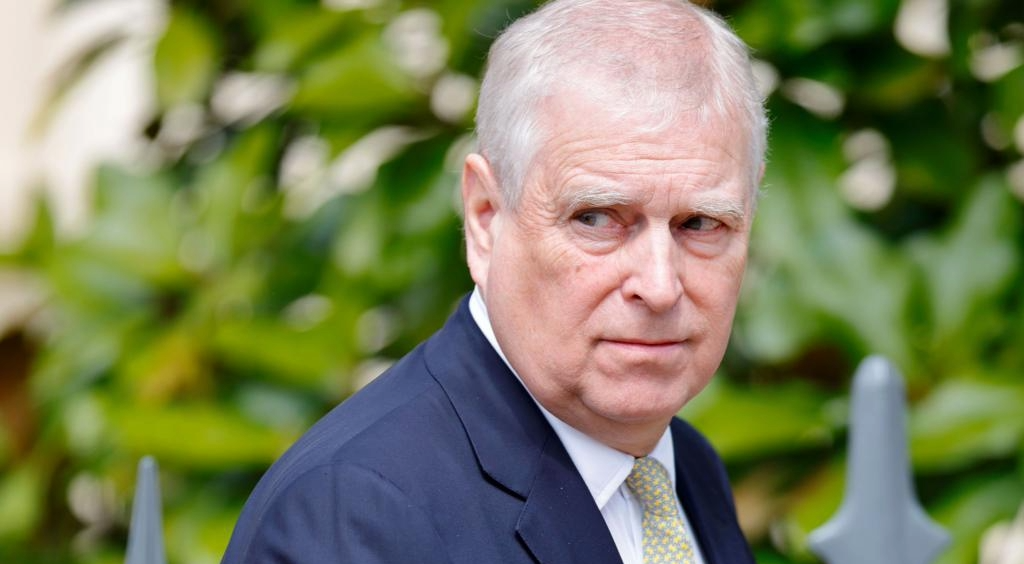
When Buckingham Palace confirmed on October 30, 2025, that Andrew Mountbatten-Windsor would be stripped of his remaining royal titles and honours, it marked the final, decisive stage in his public fall from grace.
The Palace statement cited a desire to "protect the integrity of the Crown" after years of controversy linked both to Andrew's alleged misconduct as the UK’s Trade Envoy and his association with Jeffrey Epstein—claims he continues to vigorously deny.
Yet the real question now isn’t just which titles he has lost, but whether the law might finally catch up. Can a Crown appointee accused of abusing public office ever be held to the same legal standard as everyone else?
For the public, the question is simple: What exactly did Prince Andrew give up today—and what does he still keep?
The announcement on October 30, 2025, reflects an unprecedented initiative by the King to formally remove titles and honours, not just cease their usage.
| Status | Title or Honour | Implication of King Charles's Action (Oct 30, 2025) |
| LEGAL LOSS | Prince (Style), Duke of York, Earl of Inverness, Baron Killyleagh | The King has initiated a formal process to secure the removal of all these titles from the Peerage Roll via Royal Warrants to the Lord Chancellor. Andrew will become known as Andrew Mountbatten Windsor. |
| LEGAL LOSS | "His Royal Highness" (HRH) Style | The HRH style, which was previously voluntarily "paused," is now formally removed via the King's Warrants. He no longer has the legal right to use it. |
| LEGAL LOSS | Order of the Garter and Knight Grand Cross of the Royal Victorian Order | These Royal Honours are formally removed. |
| HOUSE LOSS | Royal Lodge (Windsor) | Formal notice has been served to surrender the lease. Andrew must move out and will relocate to a privately funded property on the Sandringham estate. |
| REMAINS | Place in the Line of Succession | This is governed by the Act of Settlement 1701. Removing him requires a separate Act of Parliament, which the government has stated there are no current plans to introduce. |
In plain terms: Andrew has been stripped of the legal right to use his royal styles, titles, and honours, and has been formally evicted from his residence. Legally, the status of his Dukedom titles is being formally revoked by the King's Warrant, reducing his status to that of a commoner known as Andrew Mountbatten Windsor.
Related: Prince Andrew: Analyzing the Legal Threshold for Misconduct in Public Office
This move comes after renewed pressure on the palace following reporting this week on 2011 email contact, which is said to show Andrew remained in touch with Epstein after claiming to have cut ties.
Andrew stepped back from public duties in 2019 after his widely criticized BBC interview. In January 2022, he lost his military affiliations, royal patronages, and ceased using HRH in any official capacity. Today’s decision seals the complete end of his public royal usage.
The move also arrives amid renewed attention to the historic allegations, including coverage of Virginia Giuffre, the victim who died in April 2025.
The most significant changes in Andrew’s life are financial, not ceremonial. His public loss of titles is symbolic, but his private financial costs are massive—and permanent.
Andrew’s announcement reduces the immediate reputational risk for King Charles and the institution, but by ending his public funding, the King has forced a severe, long-term financial reality on his brother.
Short answer: No.
Removing a hereditary peerage like "Duke of York" requires an Act of Parliament—a legislative step by the government. The monarch can only influence styles and honours, such as stopping the use of HRH.
Yes.
Since losing his royal patronages and stepping back from royal life, the public funding for his protection has been cut off. He has been responsible for the substantial seven-figure annual cost of his private security since that time.
Andrew has been excluded from certain state moments in recent years, including the Order of the Garter processions. Today's decision signals he will remain permanently outside the public-facing core of the monarchy.