Understand Your Rights. Solve Your Legal Problems


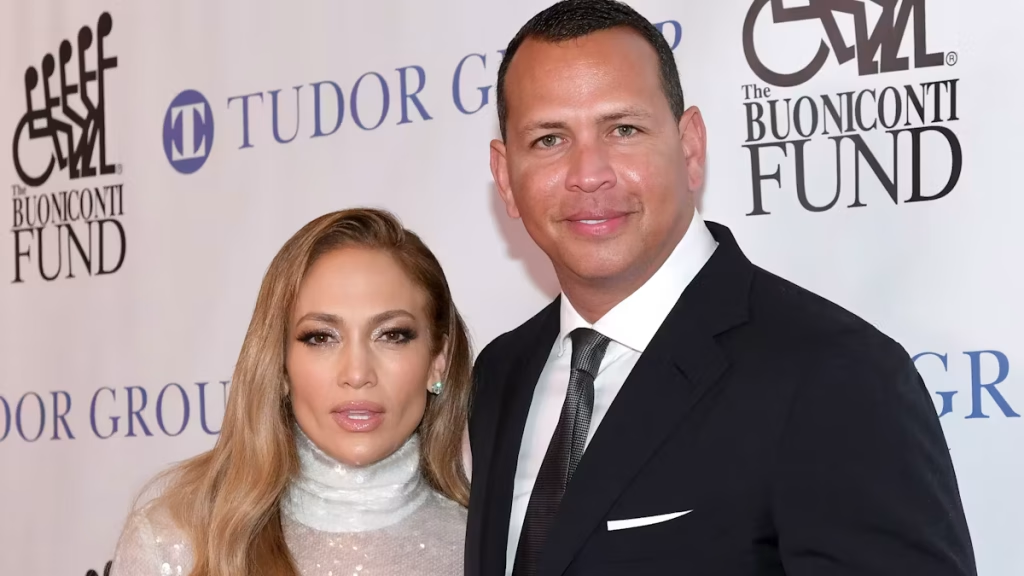
When Jennifer Lopez brushed off a question about Alex Rodriguez’s alleged DMs with Southern Charm star Madison LeCroy, she likely reignited one of modern celebrity culture’s most revealing legal questions: how private is a private message?
In 2025, a single screenshot can destroy a reputation, fuel defamation suits, and even appear in court filings.
What once lived inside a phone now lives under the microscope of both gossip blogs and legal scrutiny.
Jennifer Lopez’s quiet dismissal of the A-Rod rumors “I’m done with that” may have sounded like a celebrity protecting her peace, but behind her words lies a growing legal reality.
Private digital communication, from text messages to Instagram DMs, can be introduced as evidence under Rule 901 of the Federal Rules of Evidence, provided it can be authenticated.
Digital forensics teams now analyze metadata, device identifiers, and message logs to confirm that a screenshot hasn’t been doctored.
In divorce cases, harassment claims, and defamation trials, such evidence can make or break a case.
Legal analysts note that screenshots carry emotional weight and instant credibility even when authenticity hasn’t been fully established.
For celebrities, this means that casual online exchanges, whether harmless or flirtatious may one day become Exhibit A.
Under the Stored Communications Act (18 U.S.C. § 2701–2712) and the Computer Fraud and Abuse Act (18 U.S.C. § 1030), it is illegal to access someone’s account or stored messages without authorization.
But when one participant willingly discloses those messages for example, on a podcast or social-media post, the legal protection weakens dramatically.
The key legal test is consent. If one party shares the conversation, the other’s privacy expectations collapse.
That distinction makes leaked celebrity DMs both ethically questionable and legally admissible.
Courts have repeatedly accepted private messages as evidence if their authenticity can be verified through metadata or witness corroboration.
In United States v. Safavian (435 F.Supp.2d 36 (D.D.C. 2006)) emails were deemed admissible because the content and context authenticated the sender.
The same principle applies to DMs - a timestamp and platform record can often suffice.
In short: a message sent in confidence may still become public record, and fame doesn’t grant exemption.
For a deeper dive into how digital evidence is changing litigation, see The Impact of Digital Forensics on Legal Proceedings.
When Madison LeCroy alleged that Rodriguez had been “FaceTiming three times a day,” his representative fired back that her “15 minutes of fame” were over and that her claims were “false narratives.”
That phrasing repeated in press statements and tabloid interviews, highlights another recurring legal frontier: defamation law in the digital era.
Under New York Times v. Sullivan (1964), public figures like Rodriguez must prove actual malice, that the statements were made knowing they were false or with reckless disregard for the truth.
In practice, that’s a high bar, which is why most celebrity disputes stay in the PR arena rather than the courtroom.
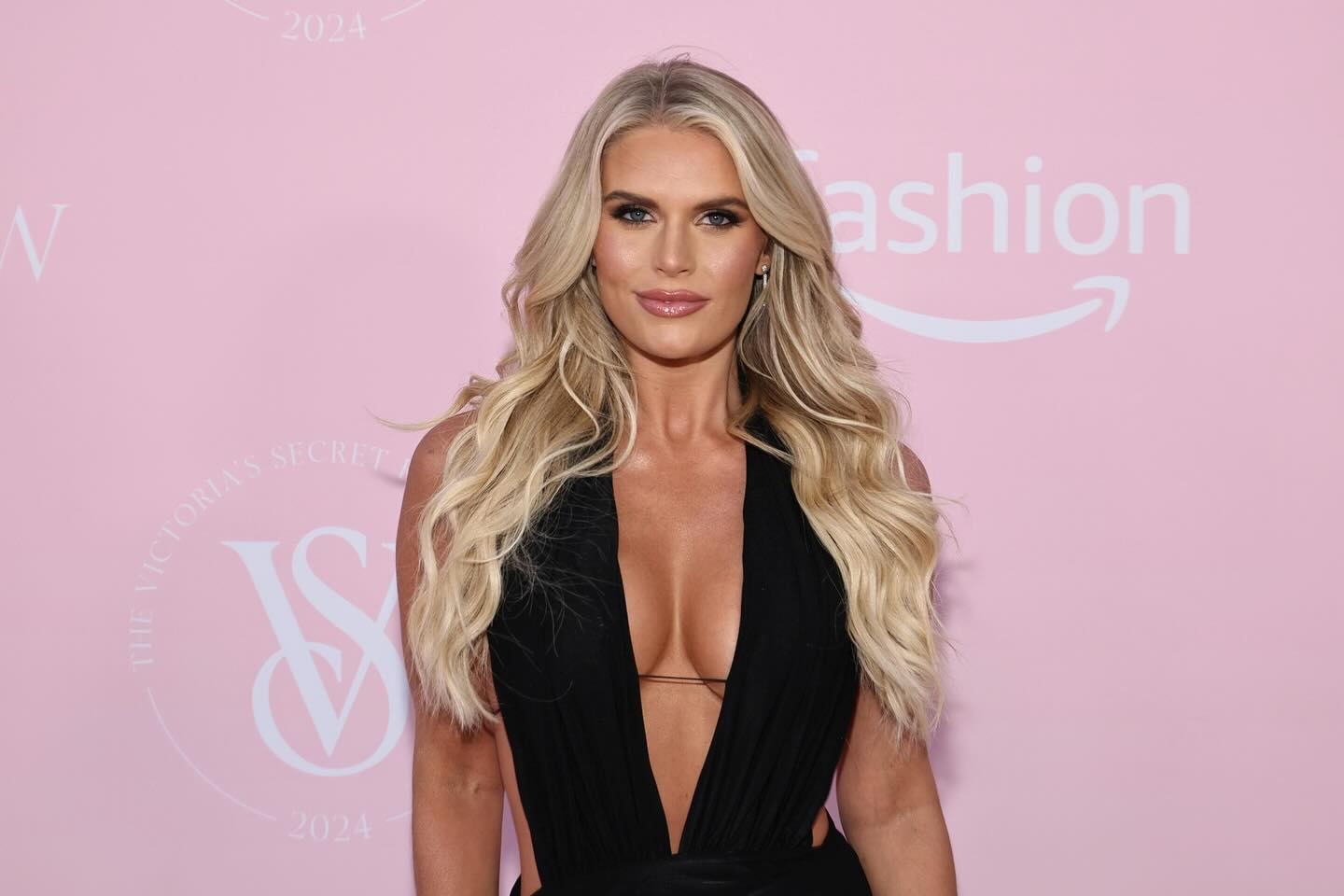
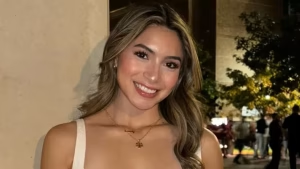
Madison LeCroy at a 2024 fashion event. Her alleged DMs with Alex Rodriguez became a focal point in discussions about digital privacy and defamation law.
But the rise of podcasts and reality-TV confessionals has blurred the line between opinion and assertion.
A rumor spoken into a microphone can reach millions instantly, creating reputational harm faster than any newspaper headline ever could.
Digital defamation cases increasingly hinge on context, whether the speaker was joking, speculating, or asserting fact.
Even a casually told story about “DMs and FaceTimes” can spark legal evaluation if it implies unethical behavior or infidelity.
The expectation of privacy vanishes once content is voluntarily made public.
When LeCroy discussed the alleged DMs on the Pillows and Beer podcast, she effectively introduced that communication into the public domain.
That raises questions of public disclosure of private facts, one of the traditional invasion-of-privacy torts.
To succeed, a plaintiff must show that the disclosure was highly offensive and not of legitimate public concern, another steep hurdle for celebrities.
Courts often find that once a person engages in public controversies, their personal communications gain “newsworthiness.”
However, attorneys warn that publishing screenshots without context or consent can still invite claims under state privacy statutes or right-of-publicity laws, particularly if the disclosure is monetized.
For more on how privacy obligations evolve when digital safety intersects with public exposure, see Privacy vs. Safety: Legal Obligations and Best Practices.
In today’s influencer economy, notoriety is monetizable. Sharing private exchanges can be as profitable as a sponsorship deal.
When a reality-TV star teases messages from a celebrity, engagement spikes, podcast streams soar, and brand partnerships follow.
That financial incentive introduces a new legal dilemma: can the deliberate leaking of private correspondence constitute commercial exploitation?
In some jurisdictions, yes. If one party uses another’s likeness, voice, or messages for profit without permission, they may violate right-of-publicity laws.
Legal scholars point out that commercializing private messages could invite lawsuits for unjust enrichment or misappropriation of digital likeness.
This “economics of exposure” trend has expanded the intersection of entertainment and privacy law. Influencers now face potential suits not only for defamation but for breach of confidence and unauthorized use of personal data.
Jennifer Lopez’s quiet refusal to revisit old relationship rumors hints at a strategy increasingly common among high-profile clients: silence backed by contract.
Non-disclosure agreements (NDAs), confidentiality clauses, and moral-turpitude provisions have become the backbone of celebrity relationship management.
From musicians to athletes, stars often require partners, assistants, or collaborators to sign NDAs that prohibit discussing private communications. Violations can trigger substantial damages claims, though enforcement depends on jurisdiction and proof of disclosure.
Publicists and attorneys now coordinate in tandem: PR handles narrative, while legal teams monitor potential breaches.
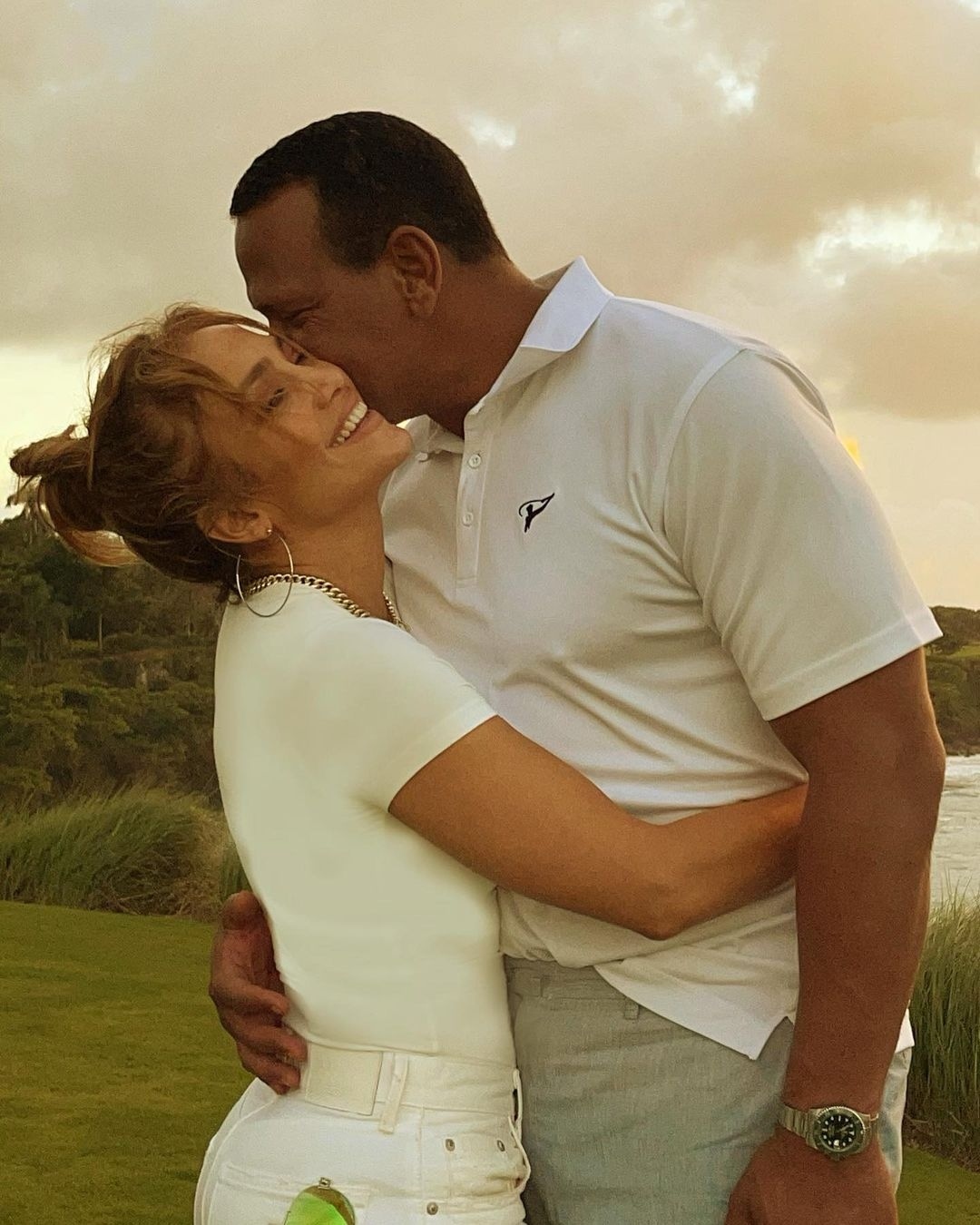
Jennifer Lopez and Alex Rodriguez pictured together before their 2021 split. Their high-profile relationship later became central to discussions about privacy, leaked messages, and digital evidence in celebrity law.
The goal is to contain reputational damage before it becomes a matter of public record or evidence.
Law firms specializing in media and technology have begun employing digital-forensic analysts who can trace message histories, identify metadata inconsistencies, and determine if screenshots were altered. In celebrity disputes, these reports serve as the new lie detectors.
Emerging tools like blockchain-based message verification could further change evidentiary standards.
Imagine a world where every DM carries an unalterable time-stamp ledger convenient for prosecutors, but alarming for privacy advocates.
Such technologies will force lawmakers to redefine consent, authentication, and preservation obligations in discovery.
Across U.S. and UK courtrooms, screenshots have evolved from informal proof to critical evidence in civil litigation.
Employment disputes, harassment claims, and defamation suits now routinely hinge on what parties said — or didn’t say — in text threads, Slack channels, or Instagram DMs.
Under Federal Rule of Evidence 901, authentication remains the central challenge: lawyers must show that a screenshot accurately reflects an unaltered digital exchange.
Increasingly, this is done through metadata verification, timestamp correlation, and expert witness testimony.
Courts have acknowledged both the convenience and the danger of screenshots, they are easily produced but also easily manipulated.
As digital forensics becomes more sophisticated, litigators are relying on chain-of-custody documentation and cloud-based subpoena requests to validate what’s real.
The result is a rapidly expanding body of case law that treats screenshots as legitimate, discoverable evidence, provided that counsel can prove authenticity beyond reasonable doubt.
For a broader exploration of this trend, see The Impact of Digital Forensics on Legal Proceedings.
For attorneys advising public figures, corporations, or anyone navigating public scrutiny, one reality dominates: every digital exchange is potential evidence.
Assume discoverability. Every message, voice note, or emoji can be subpoenaed.
Establish digital-communication policies. Encourage clients to separate professional and personal accounts, and to use encrypted, consent-based platforms for sensitive exchanges.
Coordinate with PR teams. Unified messaging early in a crisis can prevent reputational and legal escalation.
Prepare for authenticity challenges. Preserve original devices and maintain a clear chain of custody to safeguard admissibility.
Understand monetized leaks. A profitable podcast reveal or “tell-all” can still breach confidentiality and spark litigation.
In this environment, the digital age hasn’t erased hearsay, it has multiplied it. Every screenshot, text, and message thread is a potential exhibit waiting to be examined.
And this reality extends far beyond Hollywood. In workplaces, politics, and family law, screenshots now shape harassment, discrimination, and custody cases.
The communication habits modeled by public figures have quietly redrawn the boundary between private and public life.
Lopez’s insistence on privacy, Rodriguez’s denials, and LeCroy’s confessions form a modern legal parable one about consent, control, and consequence.
The law may still be adapting to technology, but one truth remains constant: once words are written, they can always be read again, this time, by a judge.
Every digital exchange now carries both emotional resonance and evidentiary significance. In an era defined by exposure, the line separating private communication from public record has never been more fragile and the law is no longer a passive observer.
The Jennifer Lopez–Alex Rodriguez–Madison LeCroy episode extends beyond tabloid intrigue; it serves as a contemporary case study in how personal correspondence can become legally actionable.
Whether in celebrity breakups, corporate disputes, or political scandals, the principle remains the same: every direct message, screenshot, and “off-the-record” remark can ultimately resurface as evidence.
As technology evolves and courts refine their understanding of digital communication, the very concept of privacy is being rewritten along with the boundaries of how justice interprets our most personal words.
Can private DMs or text messages really be used as evidence in court?
Yes. Under Rule 901 of the Federal Rules of Evidence, private messages can be admitted if they can be authenticated through metadata, timestamps, or verified device logs.
What laws protect individuals from having their private messages leaked?
In the U.S., the Stored Communications Act (SCA) and various state privacy laws protect against unauthorized access or distribution of digital communications — though these protections weaken when one party consents to disclosure.
Can a celebrity sue someone for leaking private DMs?
Potentially, yes. Celebrities can bring claims for invasion of privacy, breach of confidence, or violation of the right of publicity if the messages are used commercially or disclosed without consent.
Are screenshots reliable evidence in civil cases?
Screenshots are admissible if lawyers can prove authenticity and prevent tampering. Courts increasingly rely on metadata verification and expert testimony to validate digital exhibits.
What happens when a private message goes public on social media or a podcast?
Once private content is voluntarily shared publicly, the legal expectation of privacy largely disappears. However, the individual may still have a case for defamation or misrepresentation depending on how the content is presented.
Can public figures like Jennifer Lopez or Alex Rodriguez still claim invasion of privacy?
Public figures face a higher threshold for privacy claims because courts often consider their relationships and communications “newsworthy.” Still, unauthorized access or commercial misuse of private data remains actionable.