Understand Your Rights. Solve Your Legal Problems


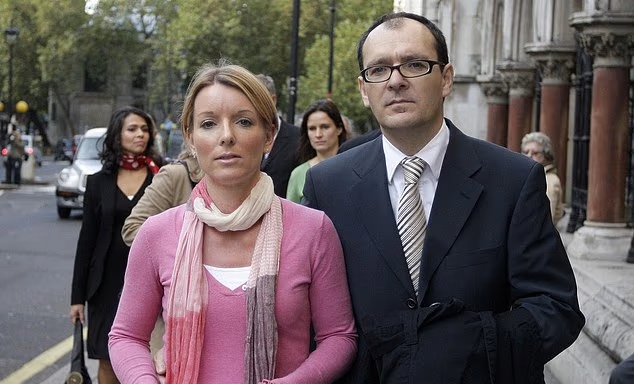
Two key witnesses from the so-called Tapas Seven — Dr. David and Dr. Fiona Payne — have broken their 18-year silence to testify against Julia Wandelt, the Polish woman accused of stalking Kate and Gerry McCann while claiming to be their missing daughter, Madeleine.
For the first time in public, the couple described how they too received disturbing and manipulative messages from Wandelt, echoing the trauma they experienced when Madeleine disappeared from Portugal in 2007. Their testimony, delivered at Leicester Crown Court, added a powerful emotional layer to one of Britain’s most unsettling criminal trials in recent years.

DNA test confirmed alleged stalker was not Madeleine McCann. Investigating officer says he went against procedure to test Julia Wandelt, accused of campaign of harassment against McCann family
Mrs. Payne, an anaesthetist, grew tearful as she told jurors how her daughter Lily — who was the same age as Madeleine when she vanished — was also targeted.
“It’s disturbing,” she said. “We’ve had lots of unsolicited contact from various people over the years, reporters and conspiracy theorists, but never anyone who thought they were Madeleine.”
Her husband, Dr. Payne, explained that Wandelt had contacted him through phone calls, emails, and Facebook messages. In one Christmas Eve message, Wandelt wrote:
“Merry Christmas David ❄ The truth will set you all free.”
When asked why he didn’t block her number, Dr. Payne replied:
“At the time you don’t think there will be multiple messages. There was also part of me that was concerned — once we knew someone was claiming to be Madeleine, I thought of the impact that would have on Kate and Gerry.”
In one of the most decisive moments of the case, police revealed that a DNA comparison had conclusively proved Wandelt is not Madeleine McCann.
According to Detective Chief Inspector Mark Cranwell, samples were taken after months of harassment claims, despite initial hesitation to avoid encouraging similar hoaxes. Forensic scientists confirmed a complete mismatch between Wandelt’s DNA profile and Madeleine’s reference sample.
Why was DNA testing necessary?
Authorities explained that, while it’s rare to test self-proclaimed victims of long-term disappearances, the scale of Wandelt’s harassment — including turning up at the McCanns’ home — made it a priority to end speculation.
Plain-English definition:
A DNA comparison is a forensic process that matches a person’s genetic code against known samples to confirm or disprove biological identity.
The result not only disproved Wandelt’s claim but also strengthened the Crown’s argument that this was not confusion or delusion alone — it was targeted stalking disguised as a miracle reunion.
Court psychologists have described Wandelt’s alleged behavior as “a blend of delusional thinking and calculated manipulation.” Prosecutors argue she blended obsessive fixation with deliberate attention-seeking, maintaining her “Madeleine” persona even after scientific proof disproved it.
Witnesses said she often inserted fabricated memories into her communications, such as invented childhood games and identifying marks. Even when police confronted her with DNA results, she allegedly claimed that samples were tampered with — a common symptom in delusional identity cases.
Her co-defendant, Karen Spragg, 61, is accused of assisting by forwarding messages and helping coordinate Wandelt’s contact attempts. Both women deny stalking charges.
The Paynes’ testimony revealed a previously unseen layer of damage. The harassment extended not just to the McCanns, but also to friends, hospital colleagues, and acquaintances connected to the family.
Legal experts say this broad targeting pattern could increase potential liability in civil claims if the defendants are convicted. Mental distress, reputational harm, and ongoing intrusion could all qualify as compensable damages under the UK’s Protection from Harassment Act 1997.
Social media has further amplified the harm. Conspiracy forums have repeated Wandelt’s claims even after the DNA results, prolonging emotional distress for the McCanns and their circle. Lawyers suggest such digital amplification could be cited as aggravating factors in sentencing.
The Paynes’ decision to testify now is significant. It helps prosecutors demonstrate a pattern of behavior — meaning consistent, repeated acts that show intent.
Plain-English definition:
A pattern of behavior is evidence that similar actions occurred more than once, helping establish deliberate conduct instead of coincidence.
By revealing that Wandelt contacted multiple people close to the McCanns, the Paynes strengthen the case that this was a systematic harassment campaign rather than isolated acts.
For many who lived through the 2007 investigation, this trial has reopened old scars. Fiona Payne told the court she still walks regularly with Kate McCann and often sees the toll this renewed media frenzy takes.
“Kate was very upset,” she recalled. “She spoke at length about the contact she was getting. It felt like we were back in that nightmare all over again.”
Wandelt and Spragg both deny one count of stalking. The trial is expected to continue into next week, when jurors will hear additional forensic and psychological evidence.
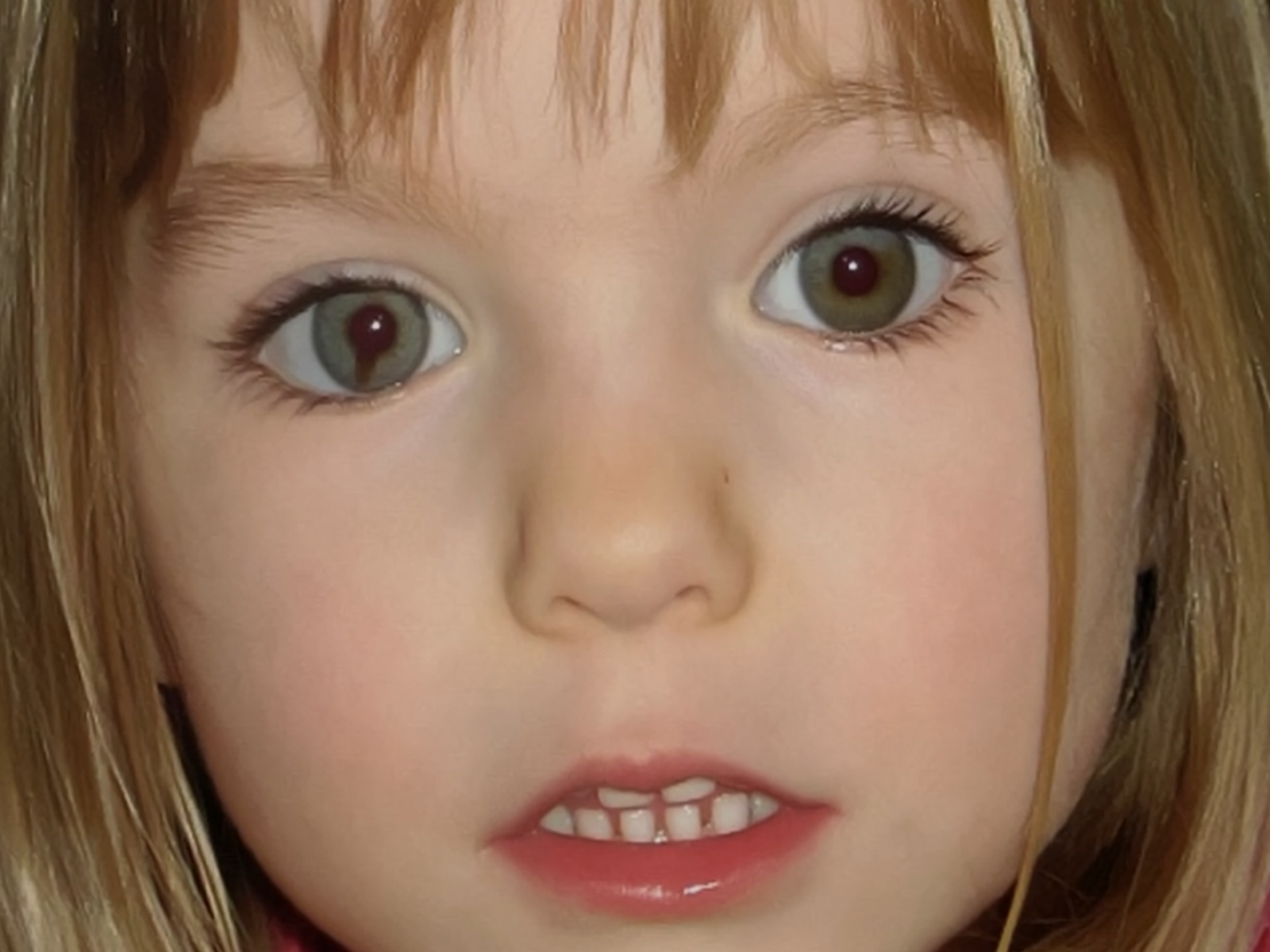
U.K. police say Madeleine McCann may still be alive
The McCann stalking trial blends forensic fact with psychological complexity — a rare case where modern science, trauma, and obsession collide.
For the McCanns and their long-time friends, the nightmare of May 3, 2007, has returned in digital form.
But this time, DNA, data, and the truth itself may finally silence the voices that refuse to let them heal.