‘He Mocked a Child for Clicks’: Tallulah Willis Confronts Perez Hilton and Exposes a Broken System
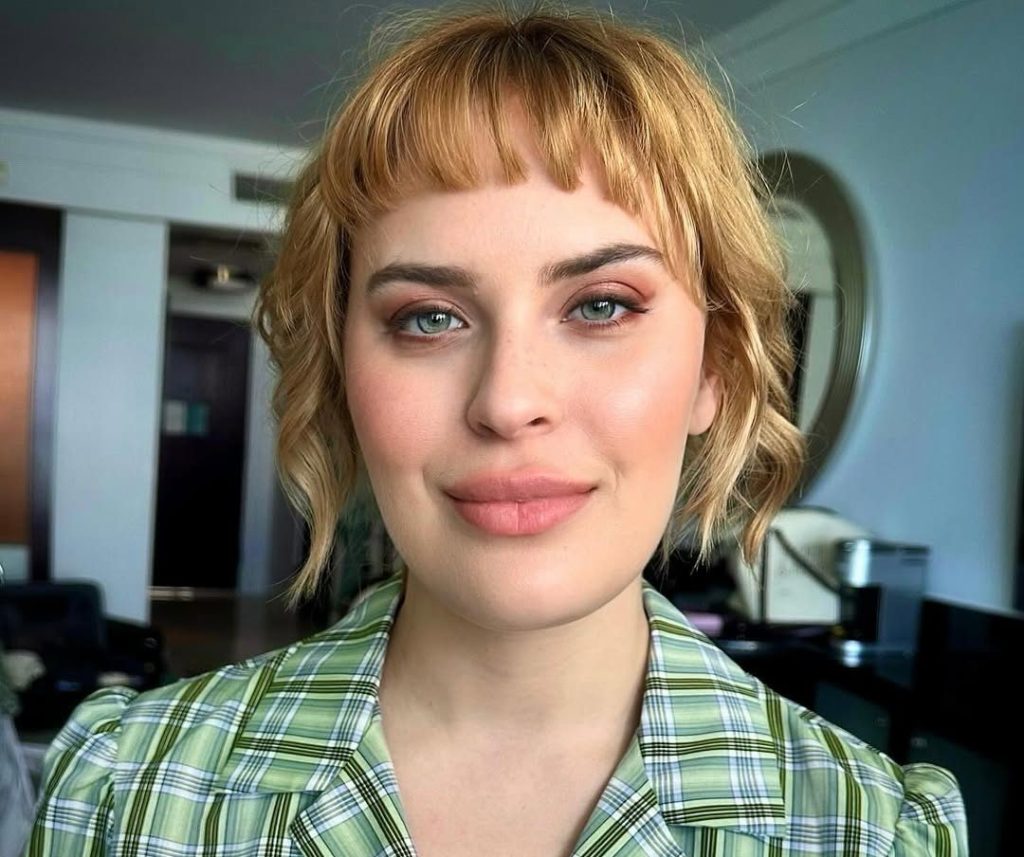
Tallulah Willis, the daughter of actors Bruce Willis and Demi Moore, has opened up about the long-term impact of being bullied online as a child, reigniting debate over whether U.S. law adequately protects minors from digital harassment.
In a recent Instagram post, the 31-year-old shared that gossip blogger Perez Hilton mocked her appearance when she was just 13 years old.
The experience, she said, left her with years of shame, anxiety, and self-hate. Now, she’s reclaiming her confidence and confronting that painful chapter publicly.
View this post on Instagram
The Legal Shadow of Early Internet Culture
Tallulah’s story touches a nerve because it sits at the crossroads of celebrity culture, children’s rights, and the evolving law of online accountability.
In the early 2000s, gossip websites operated with few legal constraints. Commentary that blurred the line between opinion and cruelty was protected under the First Amendment and further shielded by Section 230 of the Communications Decency Act, which grants broad immunity to online platforms hosting user-generated content.
That legal framework, established in 1996 well before the advent of modern social media has come under renewed scrutiny in both Congress and the courts.

Tallulah Willis and Demi Moore join Bruce Willis for a joyful outdoor celebration of his 70th birthday, capturing a rare and heartfelt family moment. (Photo: @buuski Instagram)
Critics contend that its broad protections have enabled harmful content to proliferate unchecked, leaving victims, particularly minors, with limited avenues for recourse when targeted online.
Had Tallulah been thirteen today, her experience might be evaluated differently under the evolving landscape of U.S. online safety and child protection laws.
The Kids Online Safety Act (KOSA): A Turning Point
One of the most closely watched pieces of legislation in this area is the Kids Online Safety Act (KOSA), a bipartisan bill reintroduced in 2024. While not yet law, it represents the most comprehensive federal effort to regulate how digital platforms treat minors.
KOSA would impose a “duty of care” on tech companies to prevent harm to users under 17. This includes requiring platforms to:
-
Limit algorithmic recommendations that promote body image issues or self-harm;
-
Provide stronger parental controls and content filters;
-
Restrict data collection on minors; and
-
Allow minors to report and remove harmful or abusive content more easily.
If enacted, cases like Tallulah’s, where a child was publicly ridiculed for her appearance could fall under a new standard of platform responsibility.
Under KOSA’s framework, digital publishers profiting from such content could face civil liability for failing to protect minors from foreseeable harm.
Balancing Free Speech and Emotional Harm
The tension between free speech and psychological harm remains one of the most complex issues in U.S. digital law.
Courts have long held that even offensive speech enjoys protection unless it crosses into defamation, harassment, or incitement.
However, when speech targets a minor, the balance can shift. Several states including California, New York, and Texas have enacted cyberbullying statutes that criminalize online conduct intended to cause substantial emotional distress, particularly against children or students.
Legal scholars argue that as social media becomes central to identity and livelihood, the law will increasingly treat reputational and psychological harm as tangible injuries, similar to physical ones under tort law.
Tallulah’s account, though personal, illustrates how lasting and measurable those injuries can be.
From Public Shaming to Public Reckoning
“I used to not be able to say the word chin out loud,” Tallulah wrote. “It was my dirty, sinful malady, center stage for all the world to see.”
Her post sparked an outpouring of solidarity from other celebrity daughters. Ireland Baldwin commented that she too had been mocked by Hilton in her teens, while Sailor Brinkley-Cook wrote, “We all have a Perez story.”
Hilton responded, “Hello, please check your DMs.” In a follow-up, Tallulah said her goal wasn’t vengeance, but introspection:
“My hope for him is that this can invite some inward reflection on past behavior and explore what was underneath the pull to tear people down. I wish him and his family well. All we can do is kindness.”
From a legal standpoint, her words echo the spirit of restorative accountability - a concept gaining traction among policymakers who see education and platform responsibility as preferable to punitive litigation.
The Broader Push for U.S. Online Safety Reform
Beyond KOSA, lawmakers have introduced several other bills aimed at updating America’s outdated online safety framework:
-
The EARN IT Act, which seeks to limit Section 230 immunity for companies that fail to address child exploitation content.
-
The Protecting Kids on Social Media Act, which proposes age verification and parental consent requirements for users under 16.
-
Federal Cyberstalking and Cyberharassment Enhancements, which would expand the scope of existing criminal statutes to include targeted, nonconsensual online abuse.
Together, these efforts signal a shift from treating online harassment as a private problem to recognizing it as a systemic, preventable harm — much like workplace discrimination or product liability.
The Willis Family and the Human Cost Behind the Law
Tallulah’s post comes as her father, Bruce Willis, continues to battle frontotemporal dementia (FTD), diagnosed in 2023. The family’s openness about his condition has inspired widespread empathy — and underscored their resilience.
Her reflection on self-worth, juxtaposed with her father’s illness, humanizes the broader legal discussion. It’s a reminder that behind every legislative debate about “online safety,” there are real families navigating grief, vulnerability, and public exposure.
“The chin I once hated,” she wrote, “has become the most precious part of me because it reminds me who I come from.”
Where the Law Goes From Here
If enacted, the Kids Online Safety Act would represent the first time federal law explicitly imposes a duty of care for minors’ mental health online.
It would not criminalize speech like Hilton’s, but it could increase the liability of platforms that amplify or monetize such harm.
Legal analysts expect that future litigation may hinge on the concept of algorithmic negligence, whether a platform knowingly boosted content that inflicted foreseeable harm on a child.
As one media attorney recently observed, “The next frontier of digital law isn’t about punishing words, it’s about holding systems accountable for what they promote.”
A Cultural and Legal Shift Toward Dignity
Tallulah Willis’s courage in revisiting her teenage trauma highlights a broader generational shift. Once, public ridicule of celebrity children was treated as entertainment.
Now, it’s being recognized as a form of emotional exploitation, one that law and policy are slowly catching up to address.
Her words may not change the law, but they reinforce why it must evolve:
“I healed, I rose, and I conquered.”
Tallulah Willis’s story illustrates the gap between America’s free speech protections and the urgent need for modern online safety law.
Her experience, once dismissed as “celebrity gossip” now serves as a test case for how U.S. policy might better protect minors, hold platforms accountable, and balance expression with empathy.
People Also Ask
What legal protections exist for minors who are bullied online?
In the U.S., minors targeted by online abuse may be protected under state-level cyberbullying and harassment laws. Federal proposals like the Kids Online Safety Act (KOSA) would impose a duty of care on platforms to prevent foreseeable harm to children online.
Could online bullying be considered a form of discrimination?
Yes. When online harassment targets a child’s appearance, gender, or personal identity, it can resemble discriminatory behavior. While not always actionable under traditional discrimination statutes, courts increasingly view it as a civil or emotional injury.
What role does family law play in online safety for children?
Family law can intersect with digital harm when issues such as child welfare, custody, or parental responsibility are affected by online abuse. Courts often consider a parent’s duty to safeguard their child’s digital wellbeing.
Is Perez Hilton legally liable for bullying Tallulah Willis as a child?
Not retroactively. At the time, such comments were protected under the First Amendment and Section 230. However, if similar conduct occurred today, stronger online safety and child harassment laws might allow for limited accountability.
How does the Kids Online Safety Act change things for families?
KOSA would require platforms to design safer online environments for minors, giving parents tools to monitor content and enabling children to report abuse more easily. It reflects a shift toward shared responsibility between families and tech companies.