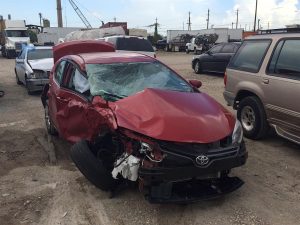
When you're reeling from a car accident, it's completely normal to feel a swirl of emotions and confusion. You're trying to manage medical appointments, deal with confusing insurance paperwork, and figure out vehicle repairs.
Amidst all the overwhelming chaos, evidence is the crucial element that will determine the success of your case. Whether you're fighting for compensation to cover your medical bills, lost income, or the emotional toll of the accident, the strength of the proof you have is what truly validates your claim. In this article, let’s explore why evidence is the absolute cornerstone of any auto accident claim.
Why Evidence Matters
Insurance companies don’t pay claims based on sympathy. They rely on facts, documentation, and verifiable proof. To succeed, you must demonstrate that the other driver was at fault and that their negligence directly caused your damages.
The stronger your evidence, the harder it becomes for an insurer or opposing lawyer to dispute your claim. Without it, your version of events may simply be considered an opinion rather than a verified fact.
The First Moments Matter Most
The first few minutes after an accident are critical for evidence collection. What you do immediately after the crash can significantly impact the outcome of your claim later. If you’re able and it’s safe to do so, take the following steps:
- Call law enforcement: A police report serves as an official record of the incident and often contains important details about fault.
- Photograph the scene: Take clear pictures of vehicle damage, skid marks, road conditions, and any visible injuries.
- Gather witness information: Neutral eyewitness accounts can help confirm your version of events.
- Seek medical attention immediately: Even minor injuries should be evaluated by a doctor. Medical records provide a clear link between the accident and your injuries.
Many accident victims overlook this step, only to face challenges later when insurers question whether the injuries truly resulted from the crash.
Types of Evidence That Strengthen Your Case
A successful claim is built on a variety of evidence types, each serving a different purpose. Here are the most important ones to gather:
1. Police Reports
Police officers document accident details objectively, including the time, date, location, weather conditions, and any potential traffic violations. A report stating that the other driver was cited for speeding or reckless driving can greatly strengthen your case.
2. Photographs and Videos
Visual proof speaks louder than words. Photos of the accident scene can help accident reconstruction experts determine fault, while dashcam or surveillance footage can serve as undeniable proof of negligence.
3. Medical Documentation
Your medical records connect your injuries directly to the accident. They include doctor’s notes, diagnostic test results, and treatment plans, all of which help establish the severity and long-term impact of your injuries.
4. Witness Statements
Independent witnesses can provide unbiased testimony about how the accident occurred. Their observations can clarify who was at fault, especially in cases where both drivers tell conflicting stories.
5. Expert Testimony
Expert witnesses in complex cases such as accident reconstruction specialists or medical professionals can provide technical insights to support your claim. Their professional opinions often carry significant weight in negotiations and court proceedings.
How a Lawyer Can Strengthen Your Case
Going through the legal complexities of an accident claim on your own can be risky. An experienced attorney understands how to gather, analyze, and present evidence effectively. For example, a qualified auto accident attorney in Boca Raton, can help you:
- Investigate the scene: Lawyers often work with accident reconstruction specialists to determine fault.
- Collect medical and financial documentation: They ensure your medical bills, wage loss records, and rehabilitation expenses are fully accounted for.
- Preserve evidence: Attorneys act quickly to secure surveillance footage, black box data, and witness statements before they disappear.
- Negotiate strategically: Evidence-backed claims put pressure on insurance companies to offer fair settlements.
- Represent you in court: If negotiations fail, your lawyer can present the evidence persuasively before a judge or jury.
Endnote
The line between getting the money you deserve and having your claim rejected often comes down to the quality of your evidence. Things like photos, detailed medical reports, what witnesses saw, and expert opinions all work together to tell your side of the story clearly and convincingly. Remember, insurance companies are always trying to pay out as little as possible. That's why having strong evidence and the right attorney by your side is what truly makes the difference.