Understand Your Rights. Solve Your Legal Problems


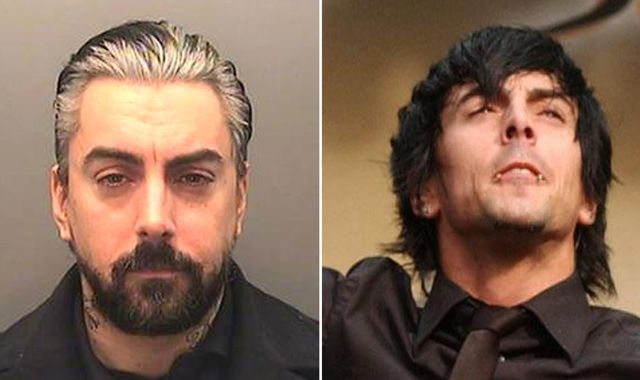
An inmate has confirmed to Lawyer Monthly that the killing of convicted paedophile and former Lostprophets frontman Ian Watkins inside HMP Wakefield stemmed from a violent dispute over a drug debt tied to methamphetamine trafficking within the prison. Two inmates have since been charged with his murder.
Watkins, 48, was serving a 29-year sentence for a string of child sex offences when he was fatally attacked shortly after 9:30 a.m. on Saturday inside the Category A facility — a fortress long nicknamed “Monster Mansion.”
According to West Yorkshire Police, Rashid Gedel, 25, and Samuel Dodsworth, 43, were charged with murder and appeared before Leeds Magistrates’ Court on Monday. Each confirmed their name and date of birth before being remanded in custody. They will appear before Leeds Crown Court on Tuesday.
Related: Ian Watkins Legal Fallout: Death in Custody Investigation
While police have not confirmed a motive, early intelligence shared with Lawyer Monthly by prison sources suggests the killing may have stemmed from a meth-related debt. Synthetic drugs — particularly methamphetamine and so-called “spice” — have become a shadow currency inside British high-security prisons, fuelling violence, intimidation, and extortion.
A 2024 report by His Majesty’s Inspectorate of Prisons (HMIP) found that more than 40 percent of serious assaults in Category A facilities were linked to drug disputes. In Wakefield, the report cited “chronic security blind spots” and “repeated breakdowns in detection equipment” that allowed contraband to circulate freely.
One senior official described Wakefield as “a marketplace where meth, debt, and fear buy protection — until they buy your death.”
HMP Wakefield holds more than 600 inmates, including some of the UK’s most notorious offenders. Its roster has included child killer Roy Whiting, serial rapist Reynhard Sinaga, and at various times Ian Huntley and Harold Shipman.
An inspection last month warned that violence had “increased markedly” since 2022, with staff shortages and decaying infrastructure blamed for rising assaults. Watkins’ notoriety and previous 2023 attack had already made him a marked man among inmates.
Legal observers note that Wakefield’s management practices may now come under scrutiny. If investigators find systemic lapses in security or inmate segregation, the Ministry of Justice could face questions under the Corporate Manslaughter and Corporate Homicide Act 2007.
Before his imprisonment, Watkins was one of Wales’ most recognisable rock musicians. His band Lostprophets achieved multiple platinum albums and 11 Top-40 hits between 2002 and 2010. But the fame concealed a dark double life.
In 2013, he pleaded guilty to 13 child-sex offences, including the attempted rape of a baby, sexual assault of a child under 13, and possession of indecent images. During sentencing, Mr Justice Royce said the case “plunged into new depths of depravity.” Watkins received a 29-year prison term plus six years on licence.
Even behind bars, he reportedly maintained influence through manipulation and fear. In 2019, he was caught with a contraband mobile phone — allegedly used by other prisoners to contact women outside for money and favours.
Rashid Gedel and Samuel Dodsworth are both charged under Section 1 of the Homicide Act 1957, carrying a mandatory life sentence if convicted. A post-mortem examination will confirm Watkins’ cause of death, while the Prisons and Probation Ombudsman has opened an independent investigation into Wakefield’s handling of high-risk inmates.
Criminal barristers consulted by Lawyer Monthly say the case may reignite debate over prisoner duty of care, balancing public revulsion at Watkins’ crimes against the state’s obligation to protect those in its custody.
The murder of Ian Watkins inside Wakefield Prison exposes the volatile mix of drugs, debt, and notoriety within the UK’s most secure institutions. It is both a homicide case and a test of the state’s legal duty to maintain order — even when the victim is one of Britain’s most reviled offenders.
1997–2012: Ian Watkins rose to international fame as the lead singer of Lostprophets, a Welsh rock band that achieved multiple Top 40 hits and sold millions of albums worldwide. Behind the fame, he developed a pattern of drug abuse, control, and sexual exploitation involving fans.
December 2012: Watkins was arrested after a joint investigation by South Wales Police and the National Crime Agency uncovered disturbing material involving minors. Authorities seized encrypted computers containing more than 27 terabytes of indecent images and videos.
November 2013: At Cardiff Crown Court, Watkins pleaded guilty to 13 offences, including the attempted rape of a baby, sexual assault of a child under 13, conspiracy to rape, and possession of extreme pornography. Two female accomplices — known only as Mother A and Mother B — were also convicted for their roles in facilitating the abuse.
December 2013: Judge John Royce sentenced Watkins to 29 years in prison, plus six years on extended licence, calling his crimes “a shocking new low in sexual depravity.”
2019: Watkins received an additional 10 months in prison after being caught with a concealed mobile phone used to contact female fans from his cell.
2023: He was hospitalized after a violent attack at HMP Wakefield but survived.
October 2025: Watkins was found dead inside HMP Wakefield following an alleged dispute over methamphetamine debts within the prison. Two inmates — Rashid Gedel, 25, and Samuel Dodsworth, 43 — have been charged with his murder.