The Legal Storm Behind Keira Knightley’s Harry Potter Controversy
How one casting decision exposed the uneasy fault line between artistic freedom, the Equality Act, and the new era of reputational risk.
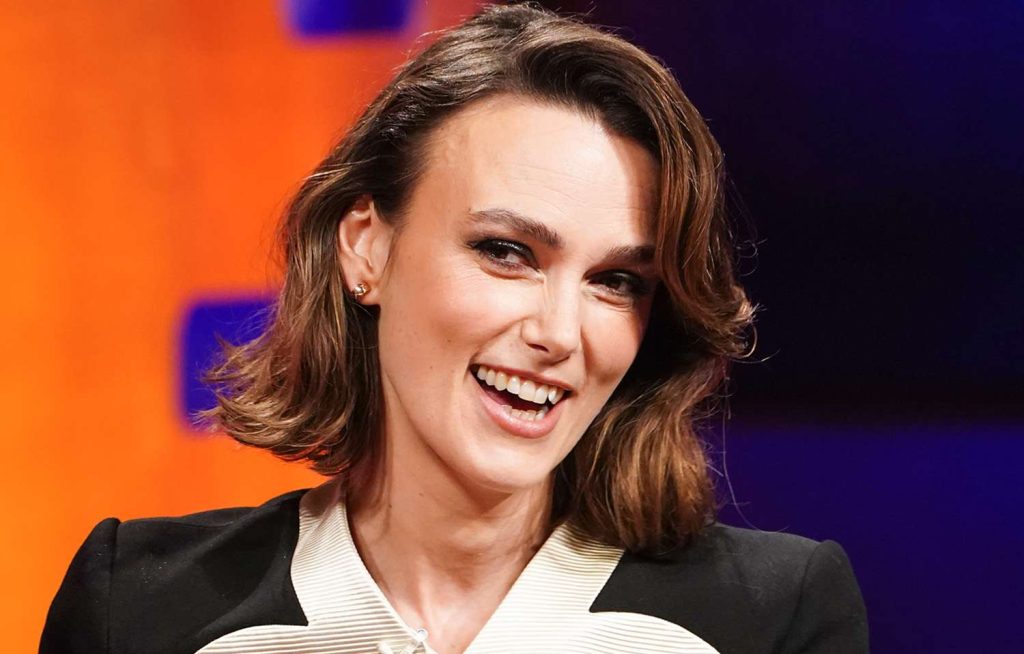
When Keira Knightley apologised for not realising that many fans were boycotting Harry Potter over J.K. Rowling’s gender-critical views, she probably didn’t expect her words to ignite a national debate on law, morality, and speech.
But her involvement in Harry Potter: The Full-Cast Audio Editions has placed her squarely at the centre of the UK’s most volatile legal and cultural clash, where the right to free expression collides with equality law, employment duties, and the politics of identity.
The Legal Storm Beneath the Apology
Knightley’s apology came in the shadow of the UK Supreme Court’s 2025 decision confirming that the terms “woman” and “sex” in the Equality Act 2010 mean biological sex.
The ruling effectively allows certain single-sex exclusions if they’re “proportionate” while keeping gender-reassignment protections intact - a dual system that leaves employers and producers to navigate one of the trickiest balancing acts in modern law.
For creative industries, that means casting, contracting, and public communication now carry not only ethical weight but measurable legal risk.
Studios and publishers must show that workplace and marketing choices respect inclusion principles, or risk claims under the Act.
Contracts, Morality Clauses and Reputation Management
Knightley’s situation underscores how quickly cultural perception becomes a legal consideration.
Most major streaming and publishing contracts now include morality clauses that let companies withdraw from deals if a participant’s conduct causes reputational harm.
While such clauses are civil, not criminal, they increasingly intersect with equality obligations and brand-safety rules leaving artists accountable for both intent and association.
Entertainment lawyers note that the “reputational economy” now acts as a soft regulator, shaping who gets hired and what speech remains commercially viable.
For actors, that translates into an unspoken legal duty of caution when accepting work tied to polarising figures.
Free Speech, Belief and Inclusion
J.K. Rowling continues to defend her gender-critical stance as an exercise of lawful belief and expression.
UK legislation protects such views under the Human Rights Act and the Equality Act’s “philosophical belief” category, so long as they don’t incite hatred or harassment.
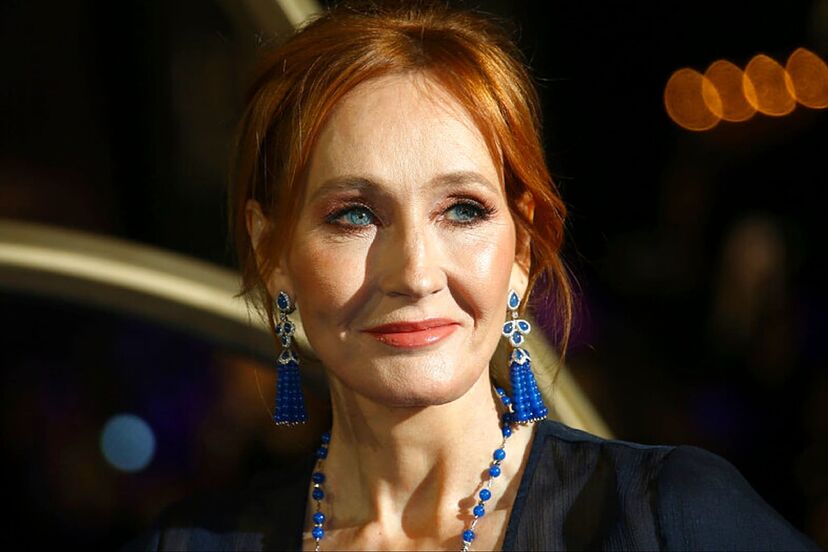
J.K. Rowling, pictured at a London event, has remained at the center of the UK’s debate over gender law and free expression following her gender-critical views and the Supreme Court’s 2025 Equality Act ruling.
Yet, businesses linked to her work, including Audible and Pottermore, must simultaneously uphold equality and anti-discrimination commitments.
The legal friction between these parallel duties has become a defining feature of post-2025 employment law.
From Pop Culture to Precedent
The Knightley - Rowling controversy is far more than a fleeting celebrity disagreement, it has become a live demonstration of how cultural influence now operates within the boundaries of statute and case law.
The UK Supreme Court’s clarification of biological sex under the Equality Act 2010 has not only reshaped legal definitions but has also begun to influence the commercial logic of the creative industries.
When moral perception becomes inseparable from contractual performance, every casting choice or partnership carries an implicit legal dimension.
Even long-time supporters of J.K. Rowling, such as Stephen Fry, have publicly distanced themselves from her recent positions, underscoring how reputational management increasingly merges with legal compliance.
What once might have been dismissed as a matter of public relations is now a potential compliance issue bound up in equality obligations, belief protections, and employer liability.
Each decision to collaborate, decline, or apologise functions as a miniature legal audit of risk, intent, and proportionality, revealing how the entertainment world has become an unexpected testing ground for Britain’s evolving equality jurisprudence.
Legal Implications for the Creative Sector
-
Equality Act compliance: Productions must justify gender-related policies as proportionate and evidence-based.
-
Contract law: Expect sharper morality and reputational-risk clauses in 2026-onward talent deals.
-
Speech protection: Lawful belief expression remains protected but triggers heightened HR and PR oversight.
-
Employer liability: Failure to ensure inclusive environments may invite discrimination or harassment claims.
-
Moral due diligence: Artists are now expected to vet ideological associations with near-legal precision.
As Britain redefines sex, gender, and belief in law, every creative partnership now carries contractual, ethical, and reputational consequences.
What the Equality Act Ruling Means for Creative Contracts (2025)
The April 2025 UK Supreme Court judgment marked a pivotal moment in the interpretation of the Equality Act 2010, confirming that the statutory terms “sex,” “man,” and “woman” refer exclusively to biological sex.
The ruling brought long-awaited clarity to public and private sector organisations, but it also introduced complex compliance obligations across industries where inclusion and identity are central to workplace culture, particularly in film, media, and the performing arts.
Under the decision, employers and service providers may lawfully restrict access to single-sex spaces or roles where they can demonstrate that such exclusion is proportionate, necessary, and serves a legitimate aim for example, privacy, safety, or authenticity in performance.
However, the Court also reaffirmed that transgender individuals remain fully protected under the Act’s provisions for gender reassignment, preserving their right to fair treatment and protection from harassment or victimisation.
For creative-sector organisations, this dual framework translates into enhanced documentation and policy duties.
Production companies, publishers, and broadcasters must now explicitly show how they balance freedom of expression, workplace equality, and belief protections in both HR processes and casting decisions.
Contracts and internal policies should evidence how decisions were reached and on what legal grounds.
Failure to demonstrate proportionality or to maintain consistent equality practices could expose companies to discrimination claims or reputational risk, even where no direct breach of law is intended.
In short, the ruling redefines how artistic judgment and legal accountability coexist - requiring producers and creative leaders to navigate inclusion with the same diligence once reserved for finance or compliance.
People Also Ask
How does the Equality Act 2010 affect the entertainment industry?
The Equality Act applies to all UK employers, including those in the media and creative sectors. It prohibits discrimination based on sex, gender reassignment, and philosophical belief, meaning studios and publishers must balance inclusion duties with freedom of expression when hiring or producing content.
Can a celebrity’s public views create legal issues for employers or partners?
Yes. While personal beliefs are protected under the Act, employers or collaborators may face reputational or contractual consequences if those views appear discriminatory. Many now include morality or reputational clauses to manage such risks legally and commercially.
What legal precedent did the UK Supreme Court set on biological sex?
In 2025, the Supreme Court ruled that “sex” in the Equality Act refers to biological sex, not gender identity. The decision allows certain single-sex policies or exclusions if they are proportionate and justified — a ruling that has significant implications for employment and equality law.
How does reputational damage intersect with contract law?
Reputational damage can trigger contract clauses allowing termination or withdrawal from a project. Such clauses, common in entertainment agreements, give companies legal grounds to act when a partner’s conduct or association harms brand or stakeholder confidence.
Why is the Keira Knightley–J.K. Rowling case viewed as legally significant?
It highlights the growing overlap between equality law, free expression, and contractual accountability. The controversy demonstrates how public perception, belief protection, and compliance obligations can now converge into real-world legal and employment challenges.