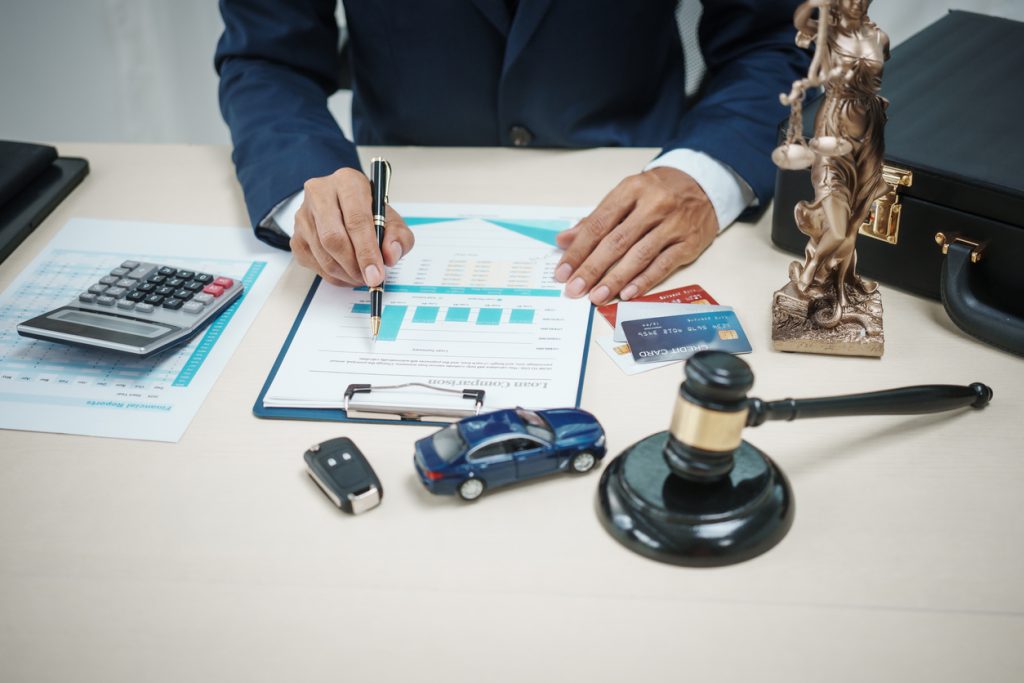
Pay high attention to the next few hours and days after a car crash. Then the most important thing you should focus on is your own safety. After that's sorted out, you can move forward with protecting your claim. Start with your health, and then protect the record of what happened. See a doctor even for small pain. We have written this short guide that walks you through clear steps to follow, what to collect at the scene, and when it makes sense to talk with a lawyer. If you want quick help finding a firm, a Utah car accident attorney can explain your rights and next steps.
8 things to do after an accident
Right after a crash your steps should protect your health and your claim. Prepare these steps in an order that you can manage.
- In case of injuries, call the police immediately.
- Go to a safe place quickly.
- Exchange names, phone numbers, and insurance.
- Photograph vehicles, street signs, plates, and damage.
- Get witness names and short notes on what they saw.
- Tell your insurer the basic facts, not a long recorded statement.
- See a doctor and follow their plan.
- Contact a car accident attorney before signing the release papers.
Each step helps later. Medical records show how badly you were hurt. Photos and witness notes help show what happened. If someone wants to push you to sign a form or accept a quick payment, slow down. Talk to a lawyer. Get a copy of every bill, email, text, and repair estimate. In case you don't know how to deal with the insurance company, a lawyer can help. A file that shows care and paperwork is much stronger than one built from memory only.
How should you react to a car accident that wasn't your fault?
If you were not at fault for the crash, stay calm. Follow the same safety steps. Call the local police and get a copy of the report. Take photos and gather witness contact details. You should file a claim with your insurer as well as the other driver's insurer. When speaking with insurers, give facts but do not guess or say you are fine if you feel pain. Pain can appear later and your words may be used in the claim.
When the insurance company of the other driver offers a quick payment, treat it with caution. Quick small offers often aim to close the claim before you.now the full cost of care or lost wages. You can say you need time to see a doctor or to get repair or medical bills. It is okay to get advice from a Personal injury lawyer Utah before you accept any offer.
You can speak with an attorney about the offer to determine if it's fair. If you think the other driver caused the crash on purpose or was drunk, tell the police and keep copies of the report for your file.
Evidence to collect at the scene
Good evidence makes a claim stronger. Get as much footage as you can using your phone. If possible, get:
- Photos of all vehicles from several angles.
- Close shots of damage and wide shots of the whole scene.
- Photographs of road signs and signals, as well as skid marks.
- A short video describing where you were and which way you were going.
- Contact information for drivers, passengers, and witnesses.
- The other driver license plate and insurance company.
- Your notes about how the crash happened and the time of day.
Write down simple facts right away. Note weather, road spotlights, light conditions and any traffic signs. If there are security cameras on a nearby building, try to get the owner name so footage can be checked. After the scene, save repair bills, receipts for towing, photos of injuries, and any bills for medical care. Sort them into folders or digital files. This record will help a car accident attorney or an insurance adjuster understand the full story without guesswork.
How to handle insurance and claims?
Once you report the crash, your carrier and the other driver carrier will start checks. Be calm and stick to the facts. Give the time, location and the names involved. Do not give a long, recorded statement to the other driver insurer until you know your injuries and the full impact. Short factual answers are better than long explanations that leave room for disagreement.
Keep a clear file of everything: medical bills, repair estimates, rental car invoices and missed wage notes. Send copies when asked but keep originals too. Read the medical release carefully if you are asked to sign it by the insurer. A broad release can let them see unrelated records. If they pressure you for a quick settlement, say you need time to get your medical bills. If a settlement seems low, a Personal injury lawyer Utah can review the offer and tell you what a fair figure might be. When talking with a lawyer, bring your file so they can see the full cost and loss. This helps them advise if a negotiation or a lawsuit is better.
What is the best time to contact a car accident attorney?
Call a personal injury lawyer early in the process if injuries are serious or the insurer is unfair. A lawyer will explain your options if the other driver is underinsured or uninsured if your losses are substantial. Utah has a time limit for filing most personal injury suits. Many injury claims require filing within four years of a crash. Missing that deadline can end your right to sue.
Utah also follows a rule about comparing faults. If a judge or jury finds you share the blame by 50% or more, you may not recover damages. When your share is lower, your award may be diminished in proportion to your fault. A lawyer can help gather proof to reduce your share of fault and show what the case is worth.
A quick talk with a Utah car accident attorney can help you avoid mistakes that lower your recovery. Many firms offer a first call without a fee so you can learn your options and the likely path ahead.
Common mistakes people make after a crash
People often make simple choices that hurt later. The most common mistakes are: delaying medical care, admitting blame, accepting a quick low offer, losing documents, and talking about the crash online. Feeling pain is always a good reason to see a doctor, whether it is right now or later. Delayed care can be used against your claim.
Another mistake is ignoring small details at the scene. Missing a witness name or a photo can cost proof later. Also do not sign forms from an insurer that say you accept payment in full unless you are sure all bills and losses are paid. If you use social media, avoid posts that describe how you feel or what happened. Insurance adjusters may use posts against you.
If fault is unclear or if insurers fight your claim, do not try to navigate a major dispute alone. A short call with a lawyer can make the record stronger. When in doubt, keep good notes, file every bill, and keep medical records in one place. These small steps can protect your recovery and give you clear options if a claim moves to court.