Understand Your Rights. Solve Your Legal Problems


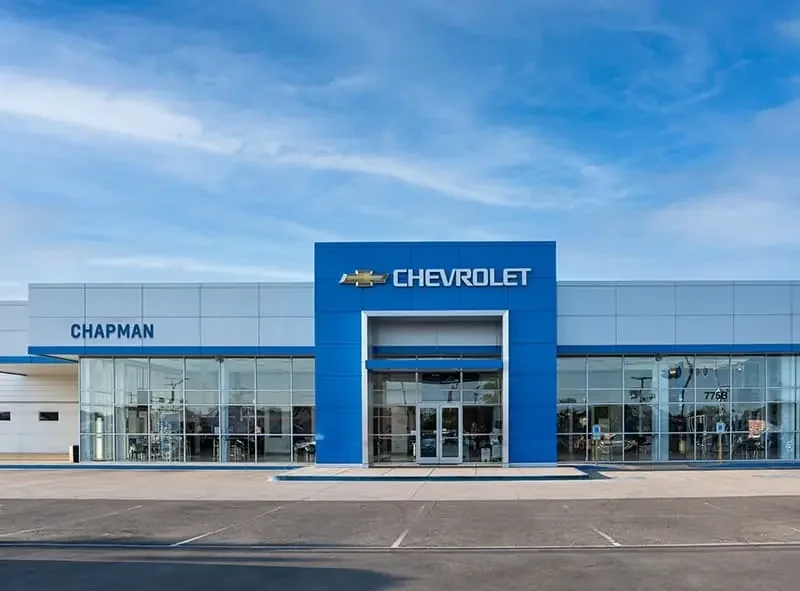
It's a familiar headline: another automaker is recalling thousands of vehicles for a potential safety defect. We've all grown used to these announcements, often seeing them as a routine part of car ownership.
But what happens when the recall is just the tip of the iceberg?
A growing number of class-action lawsuits are suggesting that some of the biggest names in the industry knew about these dangerous flaws for years, leaving consumers in the dark.
This new wave of litigation is changing the game for both drivers and the car companies that build their vehicles. For official guidance, see the NHTSA Recalls Overview.
General Motors is facing one of the most significant recall battles in recent years, involving hundreds of thousands of 2021–2024 full-size SUVs and trucks, including the Chevrolet Silverado, GMC Yukon, and Cadillac Escalade.
At issue is a defect in the L87 V8 engine that can cause sudden and complete failure, according to the NHTSA Part 573 Recall Report (25V-274) The controversy, however, extends beyond the defect itself.
Multiple lawsuits allege that GM knew about the problem long before issuing the recall, citing consumer complaints dating back months or even years.
Some plaintiffs claim that replacement engines installed by dealerships suffered from the same defect, reinforcing their argument that the recall came “too little, too late” and reflecting what they describe as a broader pattern of corporate negligence.
The legal complaint also takes aim at GM's proposed remedy. For some vehicles that pass a dealer inspection, the fix is simply to switch to a higher-viscosity oil.
Plaintiffs argue that this is a "woefully inadequate" solution that does not address the root cause of the manufacturing defect.
The lawsuit alleges that the true problem lies in "out-of-specification crankshaft dimensions and surface finish," and that a thicker oil is just a cheap, temporary patch.
This is not the first time GM has faced this kind of accusation.
In 2014, the company was embroiled in a massive scandal involving a faulty ignition switch defect that had been known internally for over a decade.
The defect was linked to at least 124 deaths, and GM faced a criminal penalty of $900 million. This history of alleged cover-ups makes the current lawsuit a powerful indictment of a company seemingly unwilling to learn from its past.
GM isn't the only one facing a legal storm. Volvo is also a defendant in a class-action lawsuit following a global recall of nearly 73,000 of its plug-in hybrid vehicles.
Owners can verify if their vehicle is included using Volvo’s official U.S. recall lookup tool.
The problem? A potential short circuit in the high-voltage battery that could lead to "thermal runaway," an event that can cause an intense and difficult-to-extinguish fire.
The lawsuit against Volvo focuses on the idea that the company failed to inform its customers about this serious risk.
The plaintiff, an owner of a 2020 Volvo XC60, argues that he and others were sold vehicles that were inherently dangerous.
Beyond the safety risk, the lawsuit also highlights a crucial point: even if a recall fixes a defect, the public knowledge of the issue can permanently damage a vehicle's resale value.
The case isn't just seeking to fix the cars; it's seeking to compensate owners for the financial loss and the stress that comes with owning a devalued, recalled vehicle.
While nationwide recalls address a manufacturer's liability for a defective product, the real-world consequences often play out on a local level, leading to traffic accidents and personal injury claims.
In a state like California, the connection between a defective product and a vehicle accident becomes a crucial part of the legal process. This is where the topic of California Vehicle & Traffic Accident Claims comes into play.
In most car accidents, a claim is based on negligence, where a driver's carelessness or reckless behavior directly caused the crash.
The victim must prove the at-fault driver breached their "duty of care."
However, when a vehicle defect is involved, a different set of laws comes into play. California operates under a legal doctrine known as strict liability for product defects.
This means that if an accident or injury is caused by a faulty vehicle or component, the victim does not have to prove that the manufacturer was negligent or knew about the defect. Instead, they only have to prove three things:
This legal distinction is critical. For example, if a GM V8 engine defect causes a driver to lose power on a California highway, leading to a collision, the victim can file a Vehicle & Traffic Accident Claim against the other driver for negligence.
But they can also file a separate product liability claim against GM based on strict liability, which is a much easier legal standard to meet.
This dual approach allows accident victims to seek compensation from all parties responsible for their damages, from the other driver to a multi-billion dollar corporation.
This legal framework puts a unique emphasis on thorough accident investigation and evidence collection.
It’s not enough for a victim's lawyer to simply gather a police report and witness statements; they must also work with accident reconstruction specialists and product engineers to prove the vehicle defect was the cause of the crash.
The lawsuits against GM and Volvo are not isolated incidents; they are part of a troubling pattern in the automotive industry.
For decades, automakers have faced accusations of prioritizing profits over safety, and the legal system has often been the only way for consumers to hold them accountable.
One of the most infamous examples is the Ford Pinto case of the 1970s.
Internal company documents revealed that Ford knew the Pinto’s fuel tank could explode in a low-speed rear-end collision but calculated that it was cheaper to pay off lawsuits than to spend $11 per car to fix the design flaw.
This callous "cost-benefit analysis" sparked public outrage and led to significant changes in product liability law.
In more recent times, the Takata airbag scandal demonstrated how a single defective component could become a massive, multi-manufacturer safety crisis.
Takata, a major parts supplier, used an ammonium nitrate-based propellant that could degrade over time, causing the airbag inflators to explode with excessive force, sending metal shrapnel into the car cabin.
This defect led to over a dozen deaths and hundreds of injuries and resulted in the largest automotive recall in U.S. history, involving more than 100 million vehicles globally.
Lawsuits against Takata and the affected automakers were instrumental in forcing the full scope of the scandal into the public light.
The Subaru Starlink lawsuit provides another poignant example of how legal action can benefit consumers.
A class-action lawsuit alleged that Subaru’s Starlink infotainment systems were defective, prone to freezing and malfunctioning, which posed a safety risk by distracting drivers.
While the defect was less severe than a potential engine failure or fire, the legal case was a success, resulting in a settlement that provided affected owners with an extended warranty and cash reimbursements for out-of-pocket expenses.
The settlement also offered a glimpse into the mechanics of these cases, with lawyers often receiving millions in fees while individual owners get a small portion of the settlement - a dynamic that critics argue can make class-action lawsuits less effective for the average consumer.
The legal and financial stakes in these cases are incredibly high. For automakers, a major recall can be a public relations nightmare, damaging a brand’s reputation for reliability.
When lawsuits are added to the mix, the financial toll can reach into the hundreds of millions or even billions of dollars, affecting stock prices and long-term business strategy.
For consumers, these lawsuits offer a crucial avenue for recourse. In California, the DMV Driver Education and Safety section provides resources to help drivers stay informed and protect their rights.
also provides essential steps for drivers on how to handle collisions and protect their rights.”
While regulatory bodies like the NHTSA are responsible for investigating safety defects and initiating recalls, a lawsuit can go further by addressing the financial harm, including the diminished value of a vehicle, a claim that recalls alone do not satisfy.
These cases can also expose a company's internal decision-making process, providing an important layer of transparency that might otherwise be hidden.
The key takeaway is this: the road to accountability in the automotive industry is often paved with legal action. While recalls are a vital part of the safety ecosystem, they are not always the full solution.
For consumers who feel they were sold a defective product that compromised their safety and investment, a lawsuit can be the final recourse.
What is a car recall lawsuit?
A car recall lawsuit is a legal claim filed by consumers alleging that an automaker failed to disclose or properly fix a known defect. These lawsuits often seek compensation for safety risks, repair costs, or loss of vehicle value.
Why are automakers like GM and Volvo facing lawsuits?
General Motors faces lawsuits over defective L87 V8 engines, while Volvo is being sued for hybrid battery fire risks. In both cases, plaintiffs allege the companies knew about the defects long before recalls were issued.
Do recalls affect the value of my car?
Yes. Even if a defect is repaired, public knowledge of a recall can reduce a car’s resale value. Some lawsuits specifically argue that recalls permanently devalue vehicles, leaving owners with financial losses.
Can I join a class-action lawsuit for a car recall?
If you own or lease a recalled vehicle and believe you’ve suffered damages—such as repair costs, reduced resale value, or safety risks—you may be eligible to join a class-action lawsuit. Attorneys usually announce class certification details.
What role does the NHTSA play in car recalls?
The National Highway Traffic Safety Administration (NHTSA) investigates consumer complaints, oversees recall compliance, and can pressure automakers into issuing recalls. However, lawsuits often dig deeper into corporate decision-making and hidden knowledge.
What are some of the biggest car recall scandals in history?
Notable cases include the Ford Pinto fuel tank explosions, the Takata airbag crisis, and GM’s ignition switch defect. Each scandal revealed long-standing knowledge of risks and reshaped vehicle safety laws.






To provide the best experiences, we and our partners use technologies like cookies to store and/or access device information. Consenting to these technologies will allow us and our partners to process personal data such as browsing behavior or unique IDs on this site and show (non-) personalized ads. Not consenting or withdrawing consent, may adversely affect certain features and functions.
Click below to consent to the above or make granular choices. Your choices will be applied to this site only. You can change your settings at any time, including withdrawing your consent, by using the toggles on the Cookie Policy, or by clicking on the manage consent button at the bottom of the screen.