Japan PM Ishiba's Resignation - The Real Reasons
The political landscape in Japan is undergoing a significant shake-up with the resignation of Prime Minister Shigeru Ishiba. While the public timing of his departure was directly linked to the conclusion of key tariff negotiations with the United States, a closer look reveals a deeper and more complex set of factors at play.
Shigeru Ishiba’s resignation was not merely a reaction to trade disputes; it was the culmination of mounting internal pressure and widespread public dissatisfaction.
For months, Prime Minister Ishiba had described the ongoing trade negotiations with the U.S., particularly concerning the crucial Japanese automobile sector, as a "national crisis."
His decision to step down came just after a major breakthrough: the U.S. issued an executive order reducing tariffs on Japanese cars from 25% to 15%. This timing was no coincidence.
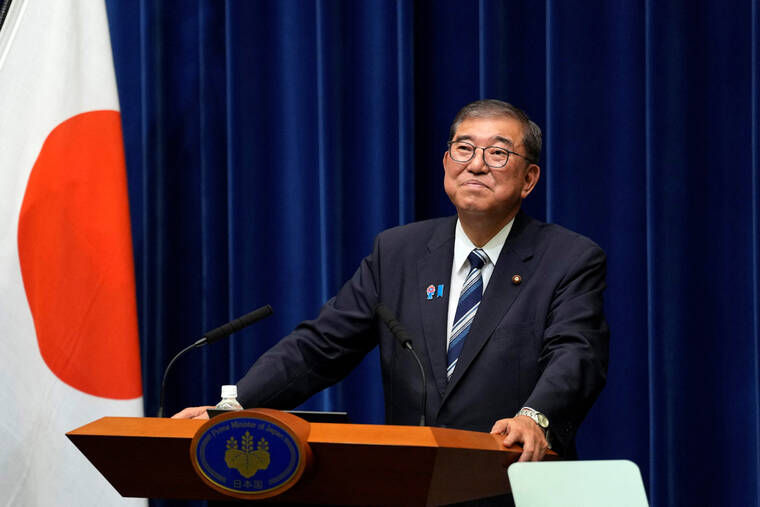
In his resignation speech, Ishiba stated, “Having reached a milestone in the U.S. tariff negotiations, I decided now is the time to make way for a successor.” By waiting for this key moment, Ishiba was able to frame his departure as a responsible act of a leader who had fulfilled his primary duty.
He also noted that “I have consistently said that one should not cling to office, and that the right decision should be made at the appropriate time after fulfilling one's responsibilities.” In this sense, the tariff deal served as a strategic pretext, allowing him to leave on a high note rather than being forced out under a cloud of defeat.
The true source of pressure on Prime Minister Ishiba, however, was political, not economic. His Liberal Democratic Party (LDP) suffered a series of devastating losses in recent elections for both the lower and upper houses of the Diet.
- Loss of Legislative Majority: These historic defeats stripped the ruling coalition of its majority in parliament, a position the LDP had held for years. This severely weakened Ishiba's authority, leaving his government in a minority position and making it incredibly difficult to pass new legislation.
- A Vote of No Confidence: The electoral losses fueled a growing rebellion from within his own party. The LDP was planning a leadership vote that was widely seen as a vote of no confidence. By resigning, Ishiba preempted this move, preventing a potentially more damaging and public split within the party.
Beyond the electoral numbers, a number of other factors contributed to Ishiba's political vulnerability:
- Domestic Economic Woes: Voters were increasingly frustrated with the government's handling of the economy. Rising prices and stagnant wages created a sense of public discontent that was reflected at the polls.
- Lingering Scandal: Ishiba inherited a party that was still dealing with the fallout of a major fundraising scandal. While the scandal predated his time as leader, its negative perception in the public eye contributed to the LDP’s poor performance and eroded trust in his administration.
The resignation of Shigeru Ishiba marks the end of a tumultuous period and the beginning of a new chapter of uncertainty in Japanese politics.
While the tariff resolution provided a convenient exit, the underlying reasons for his downfall, a loss of public confidence, a fractured party, and a weakened government - highlight the challenges that his successor will face.
The LDP's upcoming leadership election will be a pivotal moment for the party and the nation. The new prime minister's immediate priorities will be to bridge internal divisions, restore public confidence, and forge a path to effective governance in a minority parliament.