Understand Your Rights. Solve Your Legal Problems


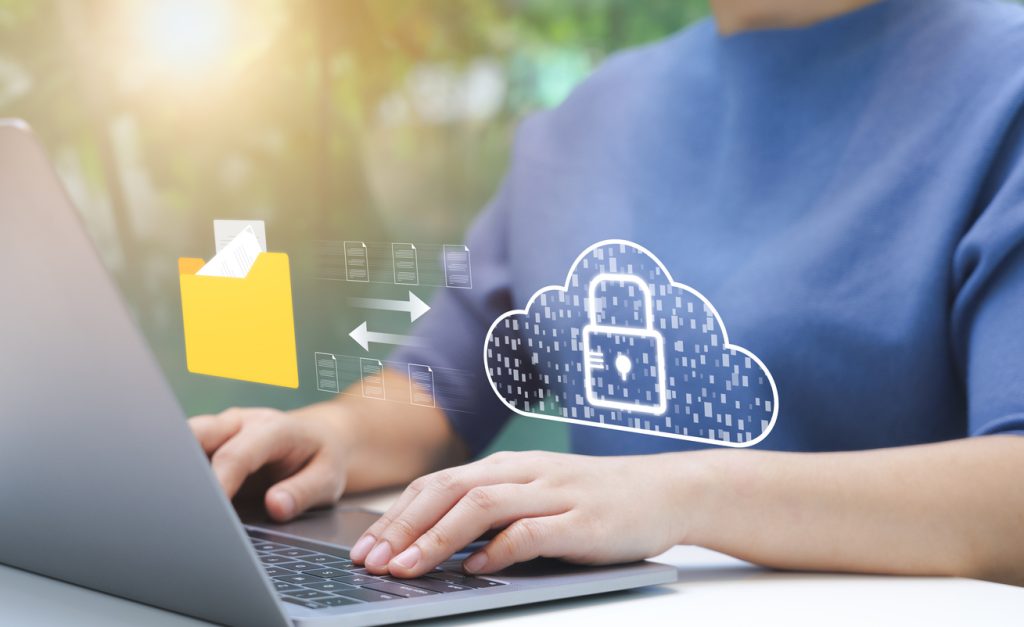
We are all so linked in this planet. Lawyers can read court announcements, public ads, or legal bulletins from practically anywhere in the globe. But when you're in another country, this type of access might be riskier. So, let's look at how you may keep your clients' information safe when you look at ads or legal notifications from another country.
Public Wi-Fi in hotels and airports might be a great way to check for updates quickly, but it can also be a hacker's paradise. Using a VPN for Windows or your favorite operating system is one of the easiest and best ways to protect yourself.
When you're in another nation, even things you do every day, like reading a court bulletin or looking at public advertisements, might be quite dangerous. Most of the time, the threats are hidden until it's too late.
Unsecured networks are ubiquitous in areas like airports, hotel lobbies, and cafés. They are easy targets for man-in-the-middle attacks, in which a hacker steals data between your device and the network. If your connection is hacked, even HTTPS sites are not completely safe.
Some nations have policies that say you have to keep data that go against your home country's privacy laws. If you follow GDPR, you can end yourself in a nation where privacy rules are far less strict or even unfriendly. This means that any data you access might be collected or watched.
It's well known that some countries keep a close eye on internet traffic. This might mean that your visits to legal websites or advertisements could be recorded, and in some situations, the contents of papers could be saved.
Fake court notice or classified ad sites may appear real, but they are really just trying to get your login information. This happens a lot when people click on links from search engines instead of legitimate court or government websites.
When you collaborate across borders, protecting client information isn't simply about keeping hackers out. It's about following the laws and rules that apply where you are.
Taking a few steps to protect your data might be the difference between a safe study session and an expensive data breach.
When you need to download legal notices from another country:
Even with the best precautions, things can still go wrong.
While you're away, it's no longer as easy to check in and download classified and legal notices. Because privacy rules are always changing, cyber risks are getting worse, and lawyers have an obligation to protect client information, they need to think about security first when they do this.
If you're not sure, classify any connection from outside the country as dangerous unless you can show otherwise. Your clients believe you will keep their information protected. You can keep that trust no matter where in the globe you open your laptop, as long as you take the appropriate steps.