The undeniable convenience of ridesharing is now shadowed by a growing body of evidence highlighting systemic safety risks. While U.S. roads are becoming safer overall, a review of recent studies and legal analyses reveals a concerning counter-trend within the gig economy's transportation sector. The discrepancy forces a difficult conversation about the hidden costs of on-demand transportation and the operational pressures on Uber and Lyft drivers.
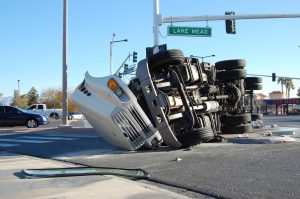
A 2020 working paper by researchers from the National Bureau of Economic Research and the University of Chicago found that introducing ridesharing in a metropolitan area is associated with an increase of approximately 3 percent in overall traffic fatalities. This significant finding suggests that the rideshare business model presents a unique set of risks that counteract broader safety improvements.
The Systemic Flaws Fueling Rideshare Dangers
The issue is not just individual driver error but systemic flaws within the rideshare business model. These platforms, built on speed and volume, have inadvertently created an environment where risk is a byproduct of the job's core demands.
- A Model that Incentivizes Fatigue: The gig economy model inherently pushes drivers to work dangerously long hours without mandated rest periods. To maximize their income, many drivers remain on the road well past the point of exhaustion. A significant 2018 position statement from the American Academy of Sleep Medicine highlighted that fatigue and sleepiness are dangerous "inherent safety risks in the ridesharing industry" and called for thoughtful regulation to mandate rest and limit service hours, similar to other professional driving sectors.
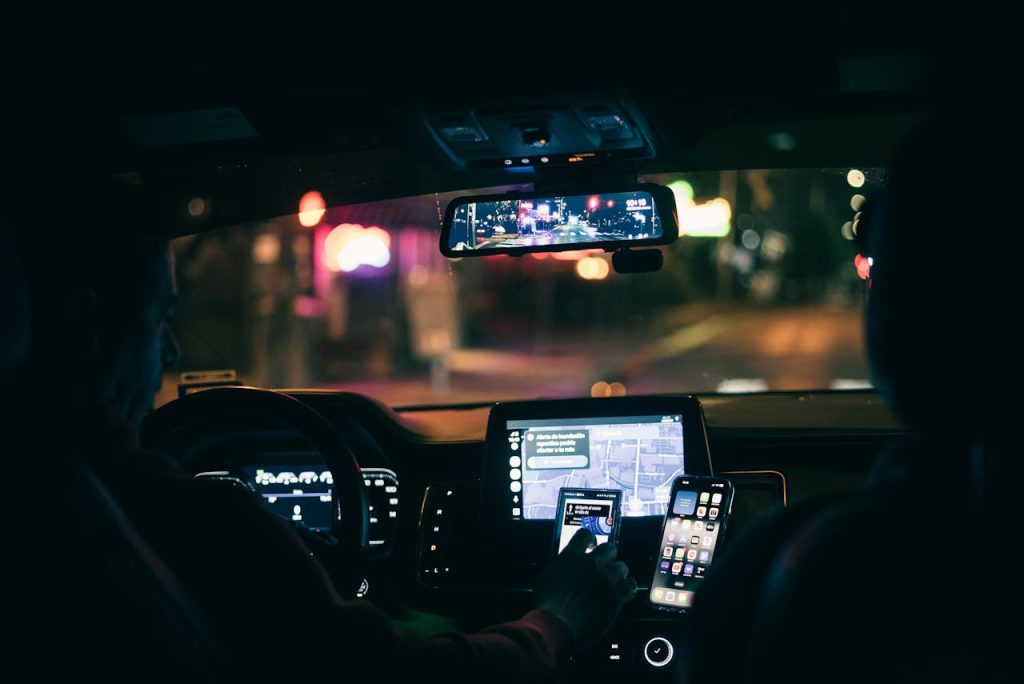
- The Critical Distraction of In-App Demands: Modern rideshare driving requires constant interaction with a smartphone, which serves as a navigator, dispatcher, and communication hub. Drivers must frequently glance at their screens to accept new ride requests, manage their queue, and follow app-based navigation. This creates a state of continuous partial attention, a known cause of distracted driving. Lytx's most recent Road Safety Report (formerly State of the Data) confirms that distracted driving remains a primary cause of collisions, and the demands of rideshare apps amplify this known risk.
Beyond the Crash: Rideshare's Impact on Public Transit and Urban Congestion
The conversation around rideshare services often focuses on the direct relationship between the driver and passenger, but their influence extends far beyond individual trips. Rideshare platforms have fundamentally altered the urban mobility landscape, creating ripple effects on public transportation, traffic congestion, and environmental health.
While initially seen as a potential first-mile/last-mile solution that could complement public transit by bridging gaps between bus stops and destinations, the reality is more complex. Research has found that rideshare services often act as a substitute for public transit, particularly for bus services. A 2021 study on the effects of ridesharing on public transit ridership in major U.S. cities concluded that bus passenger trips dropped significantly after the entry of services like Uber and Lyft, a trend that raises concerns about the long-term viability of public transit funding.
Furthermore, the promised benefit of reduced urban congestion has not fully materialized. While rideshare companies often tout their potential to take personal cars off the road, numerous studies suggest they may contribute to increased traffic. This is partly due to a phenomenon known as deadheading, where drivers spend a significant portion of their time driving without a passenger, and to the increased number of zero-occupancy vehicles on city streets. A 2021 study on Uber's entry into California found that while congestion was reduced at off-peak times and in less populated areas, it worsened during evening rush hours and in the most populated counties.
These broader impacts add a layer of complexity to the debate. Rideshare's convenience and flexibility come with societal costs, from weakening public transit systems to potentially worsening urban traffic and pollution, all of which must be considered alongside the direct safety risks to passengers and drivers.
When Convenience Leads to Complex Legal Battles
For passengers injured in a rideshare crash, the journey to recovery is often complicated by a confusing and multi-layered legal landscape. This complexity is designed to protect the corporations more than the victims.
Navigating the Insurance Nightmare After a Crash
Rideshare companies' insurance policies are notoriously difficult to navigate. The issue of liability is governed by a three-period system that depends entirely on the driver's status at the time of the crash:
- Period 1 (Offline): The driver is not logged into the app. Their auto insurance applies, but these policies almost always contain a commercial use exclusion, which an insurer will use to deny a claim.
- Period 2 (Online/Waiting): The driver is logged into the app and currently waiting for a request. The rideshare company's contingent liability policy may apply with lower limits. While limits vary by state, they are typically at least $50,000 per person and $100,000 per accident.
- Period 3 (Active Ride): The driver has already accepted a trip and is either en route to a passenger or actively transporting one. In this instance, the rideshare company's full $1 million liability policy is in effect.
This ambiguity creates a legal nightmare for victims, as the rideshare company's insurer and the driver's insurer often point fingers at each other to deny liability or make lowball settlement offers.
For passengers injured in a rideshare crash, the journey to recovery is often complicated by a confusing and multi-layered legal landscape. This complexity is designed to protect the corporations more than the victims. It's a system where every aspect, from the driver's app status to the insurance policy layers, is a potential point of contention.
Facing this labyrinth alone can be overwhelming. This is why many victims seek the counsel of a skilled Uber or lyft accident lawyer to help them understand their rights and the nuances of pursuing a claim against a major rideshare corporation.
The Path Forward: From Legal Challenges to Public Policy
The history of ridesharing, from its inception as a luxury service by Uber in 2009 to its current status as a ubiquitous transportation method, has been a story of rapid growth and ongoing legal debate. The central issue remains the classification of drivers as independent contractors, which has profound implications for wages, benefits, and, most critically, liability.
This lack of comprehensive regulation means the burden often falls on individual drivers and their passengers in the event of an accident. The documented safety risks underscore a need for a shift from a reactive, litigation-based approach to a proactive, policy-driven one. This could include requiring rideshare companies to adopt stricter driver fatigue protocols, invest in more advanced driver monitoring technology, or support legislation that clarifies their responsibility.
Choosing a rideshare service involves weighing its convenience against documented, systemic risks. The data and legal precedents suggest that without stronger regulation, the actual cost of that ride may be far greater than the fare on the app.