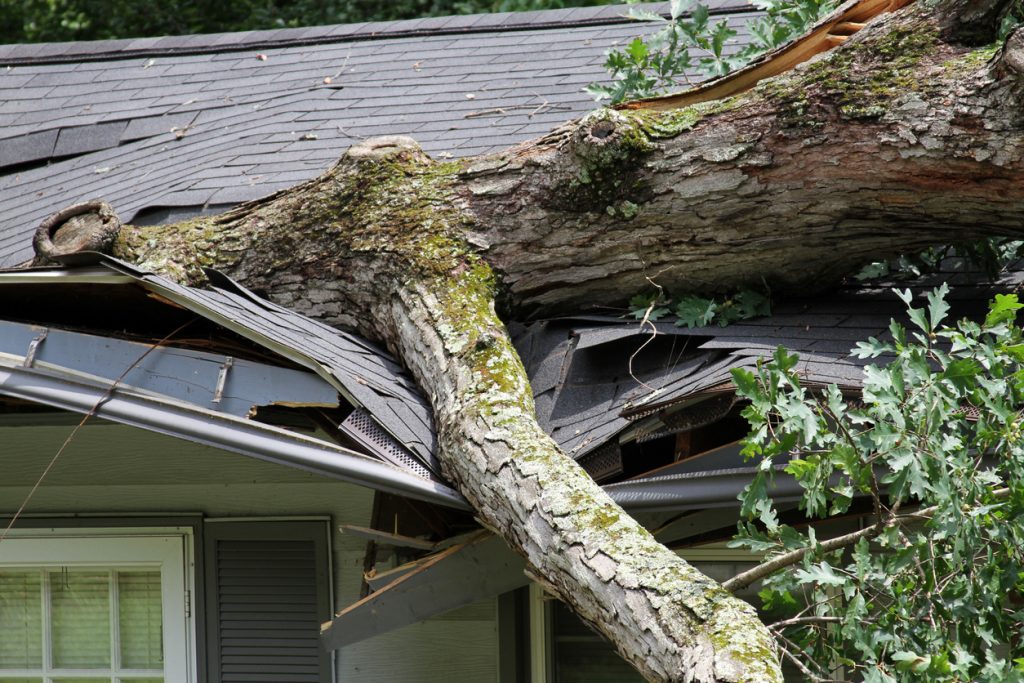
Imagine the jarring sound of a crash during a storm, followed by the discovery of a neighbor's massive tree limb crushing your fence or damaging your roof. This situation immediately sparks a critical question: Who pays for this? While it seems logical that the tree's owner should be responsible, the legal reality is often more complex. Many homeowners are surprised to learn that they may have to foot the bill themselves.
As insurance experts note, homeowners often misunderstand what's covered under their policy, leading to confusion and delayed claims. This is a common issue when it comes to navigating property damage claims. This article aims to help clear up that confusion. It will break down the legal principles that determine financial responsibility, from so-called Acts of God to the critical exception of negligence. Read on to learn who is liable and how to protect your property and finances.
Understanding the 'Act of God' Principle in Property Law
What Legally Constitutes an 'Act of God'?
An "act of God" is a legal term for a natural event outside human control, such as a hurricane, tornado, severe windstorm, or lightning strike. In the context of property damage, this principle is crucial. The general rule across most jurisdictions is that if a healthy tree is toppled or damaged by an act of God and subsequently harms your property, you, the owner of the damaged property, are responsible for the cleanup and repairs. It is considered an unforeseeable event, and your neighbor cannot be held liable for something they couldn't prevent. Reviewing your homeowner's insurance policy before a storm hits is critical to understand your coverage.
Your Homeowner's Policy: The First Line of Defense
When an act of God is the cause, your first step is to contact your insurance company. Your standard homeowner's policy will typically cover damage to structures like your house, fence, shed, or garage. It will also usually cover the removal of the tree debris from the damaged structure itself. Sometimes, a policy may offer limited coverage for debris removal from the yard if it blocks a driveway or an accessibility ramp, though this is not always standard.
It is important to remember your deductible. You must pay out-of-pocket amount before your insurance coverage kicks in. For example, suppose your fence repair costs $3,000 and your deductible is $800. In that case, you will pay the first $800, and your insurer will cover the balance of $2,200. Understanding this upfront can prevent financial surprises during the claims process.
Proving Negligence: The Key to Neighbor Liability
What Makes a Tree a 'Known Hazard'?
The 'Act of God' rule has a major exception: negligence. Your neighbor can be held legally and financially responsible if you prove they were negligent in maintaining their tree. Negligence means the neighbor knew—or reasonably should have known—that their tree was dead, diseased, or otherwise hazardous and failed to take reasonable steps to remedy the situation.
Signs of a potentially hazardous tree are often visible to a casual observer. Awareness of these signs is crucial if you are concerned about a tree on an adjacent property. One couple worried for some time about their neighbor's damaged oak before it eventually fell on their bungalow, highlighting how these hazards can be long-standing issues.
Signs of a Hazardous or Negligent Tree:
- Large dead branches, also known as widow-makers.
- Visible signs of rot, fungus, or disease on the trunk or major limbs.
- A significant and worsening lean, especially towards your property.
- Deep cracks, cavities, or splits in the trunk.
- Evidence of a damaged or compromised root system.
- A tree that has been previously damaged by lightning or a past storm.
Proving Your Neighbor Was Aware of the Danger
For your neighbor to be held liable, you must show they knew about the tree's condition. This is why documentation is paramount. If you have previously expressed concerns to your neighbor about their tree, evidence of that communication is your strongest asset. Without this proof, it becomes a difficult dispute based on one person's word against another's, and the 'act of God' rule will likely prevail.
Strong evidence can include:
- Copies of certified letters or emails sent to the neighbor detailing your concerns.
- Dated photos or videos showing the tree's deteriorating condition over time.
- A report from a certified arborist that you shared with the neighbor.
- In some instances, even records of reporting a troubling neighbor to authorities for other issues can help establish a pattern of uncooperative behavior.
Your Step-by-Step Plan After a Tree Falls
Document, Communicate, and Contact Your Insurer
Navigating what happens after property damage requires a calm and methodical approach. Follow these steps to make sure you handle the situation correctly and protect your interests.
- Prioritize Safety: First, check if anyone sustained injuries. Then, stay far away from downed power lines and report them to the utility company immediately.
- Document Everything: Before any debris is moved, take extensive videos and photos of the damage from every possible angle. Capture the fallen tree, the point of failure on the trunk, and the full extent of the damage to your property. This evidence is invaluable for your insurance claim.
- Communicate with Your Neighbor: Approach your neighbor calmly and inform them of what happened. Share your photos but avoid arguments or accusations of fault. Your initial goal is to establish open communication.
- Notify Your Insurance Company: Contact your insurer promptly to start the claims process. In states like Texas, homeowners have a limited window (often two years) to file a lawsuit over a claim, so it's critical to act without delay.
Understanding Liability and the Claims Process
It helps to compare the scenarios side-by-side to clarify who is responsible. While storm damage is different from intentional acts, seeing how courts treat "timber trespass" cases—where neighbors have been sued for millions for cutting down trees to get a better view—shows how seriously property and tree rights are taken.
| Scenario | Generally Responsible Party | Your First Action |
|---|---|---|
| A healthy tree falls during a major storm. | You (the damaged property owner). | File a claim with your homeowner's insurance. |
| A visibly dead/rotting tree falls. | Your neighbor (the tree owner). | File a claim with your insurer; they may pursue your neighbor's insurer for reimbursement (subrogation). |
| A neighbor's tree drops leaves/fruit in your yard. | You. | Routine yard maintenance is considered the property owner's duty. |
| A neighbor intentionally cuts down your tree. | Your neighbor. | File a police report for trespassing and destruction of property. Contact an attorney. |
After documenting the damage and ensuring everyone's safety, your first practical step should be to notify your insurance carrier immediately. Prompt notice preserves your rights under your policy even if you believe your neighbor is at fault. Experienced property insurance lawyers can help you navigate the complexities, especially if your neighbor is uncooperative or the insurer tries to underpay the claim.
Key Takeaways: Healthy Tree vs. Known Hazard
Ultimately, the question of who pays when a neighbor's tree falls on your property hinges on one key factor: the tree's health. If it was a healthy tree brought down by an 'Act of God,' the financial responsibility almost always falls to you and your insurance policy. However, if the tree was a known hazard that your neighbor ignored, the liability shifts to them.
Your best defense in this common homeowner dilemma is preparation and documentation. Understand your insurance policy, monitor potentially dangerous trees nearby, and communicate any concerns in writing. These proactive steps can turn a stressful and costly event into a manageable situation.
Disclaimer: The article is for general information and does not constitute legal advice. Consult a qualified professional regarding your individual situation.