Understand Your Rights. Solve Your Legal Problems


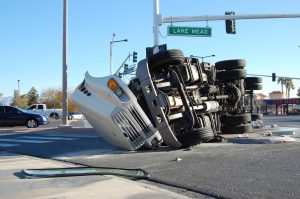
You're in the back of an Uber, catching up on emails on your laptop, when the jarring impact of a collision brings your trip to an abrupt and frightening halt. Amid the shock and confusion, a single, urgent question surfaces: Who will pay for this?
Accidents are an unfortunate and statistically significant reality, with millions relying on rideshare services for daily transport. It is a well-documented fact that rideshare services increase traffic congestion and, in some cases, traffic fatalities, particularly in urban areas. This highlights the real risks passengers face whenever they request a ride.
By understanding the confusing web of liability and the complex insurance landscape, rideshare passengers will be empowered with the knowledge to navigate the financial aftermath and pursue the compensation they deserve.
In the aftermath of a crash, your priority is to secure your health and protect your legal standing. The actions you take in the first few hours are critical for the success of any future financial claim you may need to file. These initial steps create the official record of the incident, all your injuries, and any resulting property damage, which are essential for proving your case to insurance companies and, if necessary, in court.
Before anything else, check yourself and any other passengers for injuries. If anyone in the vicinity is hurt or if the accident is serious, don't hesitate to call 911 immediately to request police and medical assistance. Accepting a medical evaluation from paramedics at the scene is critical, even if you feel you have only minor injuries. Some common and serious crash-related conditions, such as whiplash, internal bleeding, or concussions, may not present symptoms for hours or even days. Seeking a professional medical evaluation creates a crucial link between the accident and your injuries, which is vital evidence for an insurance claim and future litigation.
If you are not seriously injured and it is safe to do so, begin gathering evidence at the scene. Use your smartphone to take extensive photos with multiple angles and videos of the accident from multiple angles. Capture images of all vehicles involved, their license plates, the damage sustained, and the wider scene, including any relevant traffic signs, skid marks, or road conditions.
Collecting Uber drivers' information from their app profile, driver's license, and insurance card is also essential. If there are any witnesses, get their names and contact information, as their independent accounts can be invaluable.
Report the crash directly through the Uber app as soon as you can. You can typically find this option in your trip history's Help or Safety section. When reporting, stick to the objective facts and avoid speculating who was at fault or prematurely admitting any responsibility. You should also notify your designated health insurance provider about the accident, as your policy may be the primary payment source for your initial medical bills.
Notably, most personal auto insurance policies contain a specific exclusion for commercial activities, meaning they will not cover a driver. At the same time, they are engaged in gig work, such as driving for Uber. However, if you have Medical Payments (MedPay) or Personal Injury Protection (PIP) coverage on your auto policy, it may sufficiently cover your medical expenses regardless of who was at fault.
Determining who is financially responsible for a passenger's injuries and property damage in an Uber accident is a layered process. The answer is not always straightforward, as it depends on a combination of factors that dictate which insurance policy is active and primary at the time of the collision. This is where many passengers become confused and where insurance companies may strategically try to shift blame to avoid a payout.
Financial responsibility for your damages ultimately depends on two key factors: who caused the accident and the Uber driver's status within the app at the moment of impact. While state laws set minimum insurance requirements for rideshare companies, California law, specifically California Public Utilities Code Section 5433, mandates specific insurance minimums.
Uber's $1 million policy goes far beyond this, offering significant protection for passengers during an active trip. Understanding these distinctions is the first step toward identifying the correct party to file a claim against.
The applicability of Uber's commercial insurance is tied directly to the driver's activity in the app. This is often the most confusing aspect for passengers, as the level of coverage changes dramatically based on the driver's status. The system is broken down into a few distinct periods:
If another motorist—not your Uber driver—causes the crash, your primary claim is filed against that driver's auto insurance policy. You would directly pursue compensation for your injuries and damaged property from their insurer. However, suppose that the at-fault driver is uninsured or their policy limits are too low to cover all your damages. In that case, you can turn to Uber's Uninsured/Underinsured Motorist (UIM) coverage. Navigating these multi-layered claims can be highly challenging, as disputes often arise over policy definitions and coverage limits, a complexity that, according to legal analyses, frequently requires professional guidance to resolve.
You can seek reimbursement for personal items damaged in the crash. The same liability rules that apply to your physical injuries also cover your damaged property. This is a legitimate part of your claim that passengers who are more focused on their medical treatment often overlook. Strong documentation is your best defense against having your claim denied or minimized.
Personal belongings damaged in the collision—such as a laptop, smartphone, luggage, or expensive clothing—are considered compensable losses. If your Uber driver was at fault during your trip (Periods 2 or 3), their accident is covered by Uber's $1 million liability policy, which includes property damage. If a different driver were at fault, you would file the claim against their property damage liability coverage. In either case, you can be compensated for the repair or replacement cost of your damaged items.
To successfully claim compensation for your damaged property, you must provide credible proof of the damage and the item's value. Insurance companies are businesses that will scrutinize every aspect of a claim to limit their payout. As of July 2025, Uber has filed multiple lawsuits against law firms and medical providers over what it considers to be fraudulent or inflated injury and damage claims, underscoring the need for meticulous documentation. Therefore, thorough documentation is not just helpful; it is essential. You'll need the following evidence:
Navigating the financial aftermath of a rideshare crash can be stressful, complex and intimidating, especially when dealing with large corporate entities and their insurance adjusters. An experienced US personal injury attorney can be a powerful advocate, guiding you through the process and protecting your rights.
Ultimately, having an expert on your side can make all the difference in a complex case, and a significant first step is understanding what to do if your uber crashes to protect your legal standing best.
While Uber's robust insurance policies are designed to protect passengers, accessing fair compensation is rarely straightforward. The responsibility for payment shifts depending on the driver's app status and who was at fault, creating a complex claims process that insurers will scrutinize heavily.
You can confidently assert your claim by understanding the different layers of coverage, meticulously documenting everything from your injuries to your damaged laptop, and knowing your legal rights. Being prepared with knowledge and evidence is the key to ensuring you are fully and fairly compensated for all your losses after a rideshare accident, enabling you to focus exclusively on your recovery with peace of mind.