Understand Your Rights. Solve Your Legal Problems


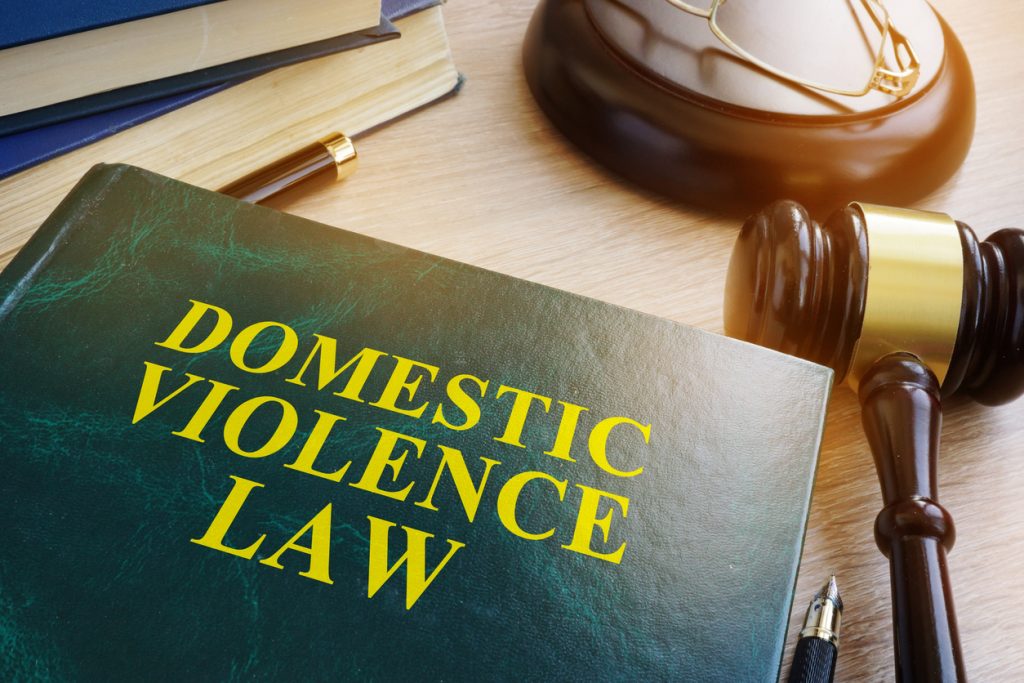
Being in the middle of domestic violence isn’t only deeply traumatic and isolating, but it can also be life-changing. You might feel that your safety is in danger, as well as your other relationships, finances, and future. In these difficult situations, knowing where to turn can feel overwhelming - and this is where a domestic violence lawyer plays an essential role.
If you’re a victim of domestic or family violence, a skilled domestic violence lawyer can help you understand your rights and guide you through the justice system with compassion and care. Today, we’re looking at exactly how they can help every step of the way.
A domestic violence lawyer is a legal professional who specialises in handling cases involving domestic and family violence. In Australia, domestic violence can include physical harm, emotional or psychological abuse, financial control, intimidation, stalking, and social isolation within a domestic relationship. ‘Domestic’ refers to family or home relations, so this could cover partners, family members, or housemates.
A DV lawyer understands the complex and sensitive nature of domestic cases better than most, and they’ve been trained to support victims while also navigating the legal steps required to keep them safe and protected. These lawyers can defend both victims and individuals who have DV allegations against them.
If you’ve been a victim of abuse or feel unsafe within your home situation, seeking help from a domestic violence lawyer can make all the difference. Here are some ways they can assist you:
One of the quickest ways a domestic violence lawyer can help you is by applying for a Domestic Violence Order (DVO). In some states, these may also be called Apprehended Domestic Violence Orders (ADVO) or Family Violence Intervention Orders (FVIO) - although these mostly mean the same thing.
A DVO is a legal order issued by the court to protect you from further harm by placing restrictions on the alleged abuser’s behaviour. This might include:
Your lawyer will guide you through the application process and tell you exactly what this means for you. They’ll also represent you in court hearings and help present evidence to support your case, hopefully awarding you the correct protections to help you feel safer quickly.
Domestic violence lawyers can involve multiple legal areas, including family law (if children or property are involved), criminal law, and tenancy or immigration matters. A DV lawyer will explain everything you need to know, as well as your rights, in plain language to make sure you understand everything. You can also ask any questions you may have at any time, working with your lawyer until you’re both 100% sure you know the ins and outs of the situation.
They’ll then be able to give you your options for you to think about and decide on. These may include things like getting a protection order, reporting the abuse to police, or making decisions about child custody or property arrangements. Having a friendly lawyer to give you clear and reliable advice can empower you to make informed decisions during such a tumultuous time.
Attending court can be worrying, especially when you have to face your abuser. A DV lawyer will advocate on your behalf, making sure your voice is heard, your evidence is presented clearly, and your legal rights are protected throughout the entire process.
They can also make applications to limit your exposure to the person the charges are against, if this is something you want. To avoid being in close contact with them as much as possible, your lawyer might arrange remote testimonies, closed courtrooms, or legal representation without your physical presence.
Domestic violence lawyers often work closely with police, prosecutors, social workers, crisis shelters, and counselling services. They can work with them on your behalf to coordinate things like safety planning, emergency accommodation, or referrals to support networks while also managing your legal case at the same time.
This compassionate approach makes sure you receive both legal protection and emotional support during this stressful process. Not all DV lawyers offer this service, so if it sounds like something you’d be interested in, make sure you ask about how the lawyers you’re interviewing can work with other services to support you and your case.
The sooner you reach out to a domestic violence lawyer, the faster you can secure protection and prevent future harm from coming to you and your family. Early legal advice can also preserve important evidence that might lose its validity as time goes on, safeguard your rights, and make sure you’re not pressured into unsafe decisions.
Many law firms offer confidential, obligation-free consultations, so you can explore your options without any pressure. This means there’s no harm in seeking advice early, even if you’re not ready to take that step yet.
No one deserves to live in fear or endure abuse. If you’re experiencing domestic or family violence, know that help is available. A compassionate, experienced domestic violence lawyer can be your advocate and help protect you, as well as guide you through legal processes, secure protection orders, and connect you with vital support services.
If you want to learn more about how a lawyer can help, check out domestic violence lawyers at Donnelly Law Group. With over 29 years of experience under their belt and a 98% success rate, they can help in whatever legal situation you find yourself in.