Understand Your Rights. Solve Your Legal Problems


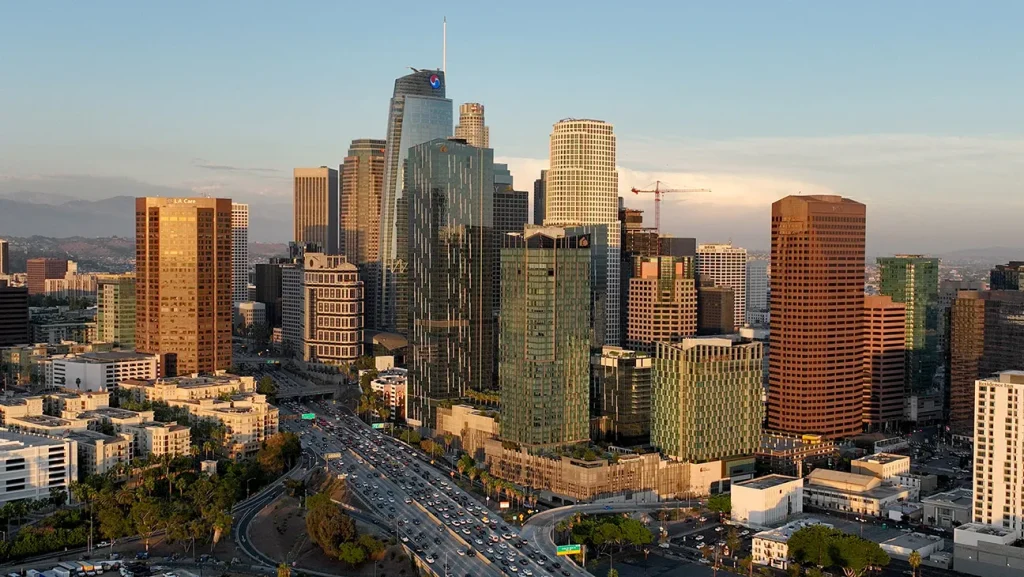
In a dramatic extension of presidential authority over federal prosecutions, the Trump administration has executed a legal maneuver to keep Bill Essayli in place as the top federal prosecutor in Los Angeles—bypassing Senate confirmation and deepening concerns over politicized justice.
Essayli, a former California Assemblyman and staunch Trump loyalist, will now assume the title of acting U.S. attorney for the Central District of California, sidestepping a mandatory Senate review. Justice Department spokesperson Matthew Nies confirmed the move late Tuesday, stating Essayli’s new title becomes effective at precisely 5:01 p.m.
This maneuver, which comes just as Essayli’s interim appointment was set to expire, mirrors a nationwide strategy deployed by Trump’s Justice Department to entrench hand-picked loyalists in powerful prosecutorial positions across key swing states—despite rejections by bipartisan judicial panels and mounting opposition from legal scholars.
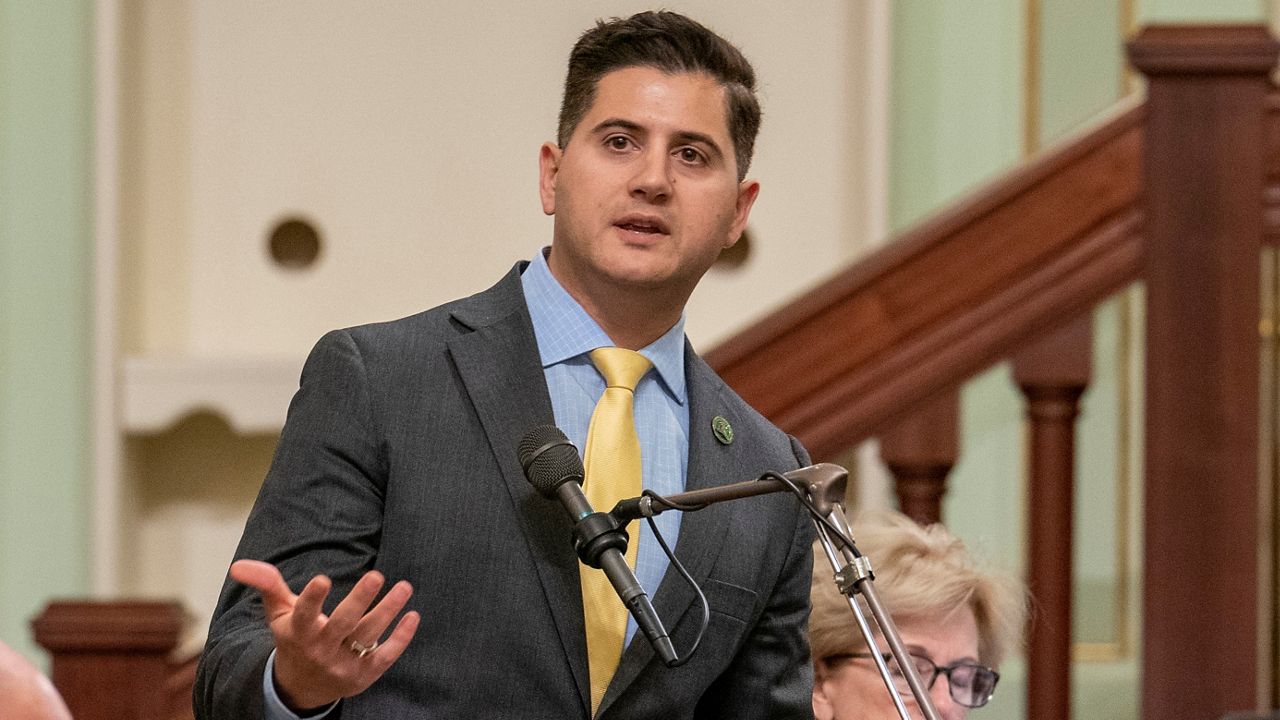
Bill Essayli, the Trump-appointed interim U.S. attorney in Los Angeles, remains in office after a controversial legal maneuver by the White House to bypass Senate confirmation.
Under the Federal Vacancies Reform Act, interim U.S. attorneys must be confirmed by the Senate within 120 days. Rather than sending a formal nomination, Trump allowed Essayli’s appointment to lapse, triggering a judicial panel’s authority to name a replacement.
But when the panel declined to nominate anyone on Tuesday—possibly under political pressure—Attorney General Pam Bondi swiftly appointed Essayli as acting U.S. attorney. This gives him an additional 210 days in office without Senate approval, extending his influence deep into 2026.
That effectively put Essayli’s future in the hands of a local federal judicial panel, which, according to Fox News, opted not to appoint a successor on Tuesday. Court records show no indication that the judges took any formal action.
This strategy has raised constitutional alarms, especially after similar appointments in New York, New Jersey, and Nevada were met with legal challenges and internal resistance from career prosecutors.
Trump's DOJ has followed a near-identical blueprint in other states:
New Jersey: Trump appointee Alina Habba, with no prosecutorial experience, was named acting U.S. attorney despite bipartisan pushback. Her appointment froze multiple federal cases, causing legal chaos in the state.
New York: John A. Sarcone III was installed as acting U.S. attorney through administrative reshuffling after being rejected by a judicial panel.
Nevada: Sigal Chattah's controversial reappointment was quietly made hours before her term expired, drawing criticism from legal scholars and DOJ veterans.
“It’s an unprecedented exploitation of a legal loophole,” said Loyola Law School professor and former federal prosecutor Laurie Levenson. “You’re risking the legitimacy of entire prosecutions.”
Since his surprise appointment in April, Essayli’s short tenure has already shaken the foundation of federal law enforcement in Los Angeles. His most contentious decision involved offering a lenient no-jail plea deal to Deputy Trevor Kirk—convicted of using excessive force against a woman during a supermarket arrest.
The plea was issued despite no new exonerating evidence. Outraged career prosecutors described the move as politically motivated and legally baseless. Several resigned in protest.
Behind closed doors, Essayli has reportedly demanded indictments at any cost. In one meeting, according to federal sources, he screamed at DOJ attorneys to ignore standard evidentiary thresholds, demanding charges be filed “for Bondi.”
The U.S. attorney’s office denied the allegations, calling them “anonymous gossip,” though independent confirmation has since come from Bloomberg Law.
Essayli has also struggled to secure results. Of nearly 40 protest-related cases he filed following mass demonstrations against Trump’s immigration raids in June, only seven have resulted in indictments.
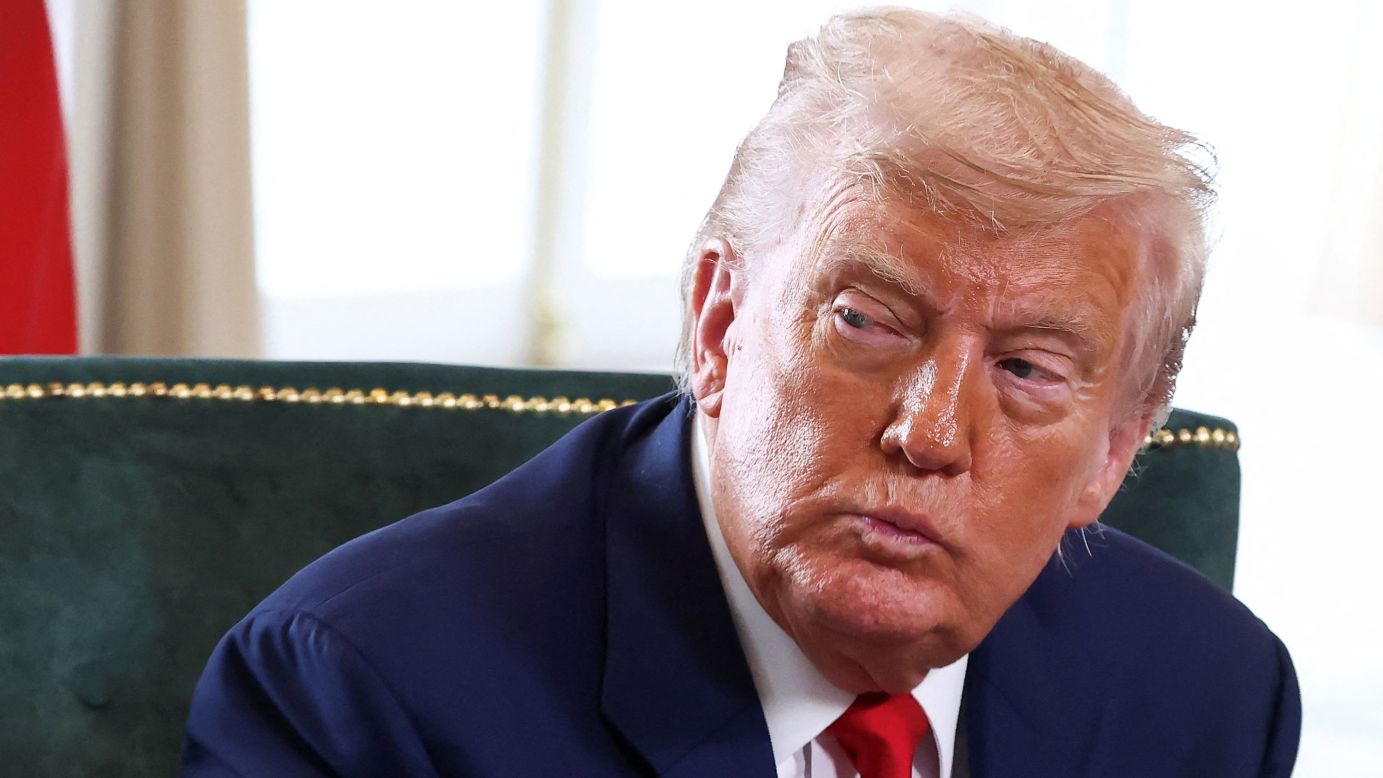
Former President Donald Trump, whose administration bypassed Senate confirmation rules to keep loyalist Bill Essayli as Los Angeles’ top federal prosecutor.
While federal prosecutors have traditionally operated with a degree of independence, Trump’s second term has been defined by direct intervention from the White House. Experts say this undermines the credibility of law enforcement and threatens the rule of law.
“This isn’t about Bill Essayli’s competence,” Levenson added. “It’s about a dangerous shift—where prosecutorial decisions are no longer made in courtrooms, but in campaign war rooms.”
Sources inside the DOJ say more legal challenges are likely, including potential lawsuits challenging the legality of Essayli’s new acting status.
Meanwhile, Essayli’s office declined to comment. But in a recent interview with Glenn Beck, he hinted at the maneuver: “We’ve got some tricks up our sleeves.”
If Essayli serves out his full acting term, he could remain in place through early 2026—well beyond the traditional limit for unconfirmed prosecutors. Legal analysts warn that every indictment or plea deal he signs may be vulnerable to future legal challenge.
Senators Alex Padilla and Adam Schiff have both issued statements calling the appointment “illegitimate” and vowing to introduce legislation to close what they describe as a “dangerous loophole” in federal succession law.
Q1: Is Bill Essayli legally allowed to serve without Senate confirmation?
Yes—under the Federal Vacancies Reform Act and Department of Justice succession rules, an acting U.S. attorney can serve for up to 210 days after an interim term ends. However, legal scholars question whether such appointments undermine the intent of the Senate’s confirmation powers.
Q2: Why didn’t Trump nominate Essayli for Senate confirmation?
A formal nomination would have required approval from the Senate Judiciary Committee, where Democrats—especially California senators—could have blocked it. By avoiding the process, the administration bypassed likely rejection.
Q3: What are the risks of having unconfirmed acting U.S. attorneys?
Legal experts warn that prosecutions may be challenged on legitimacy grounds. If courts rule that the acting appointment was unlawful, indictments or plea deals could be overturned—jeopardizing years of work.
Q4: Has this happened before in U.S. history?
Not on this scale. While acting appointments are common, the systematic use of loopholes to install politically aligned attorneys across multiple districts—despite judicial or Senate opposition—is largely unprecedented.