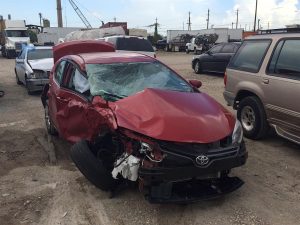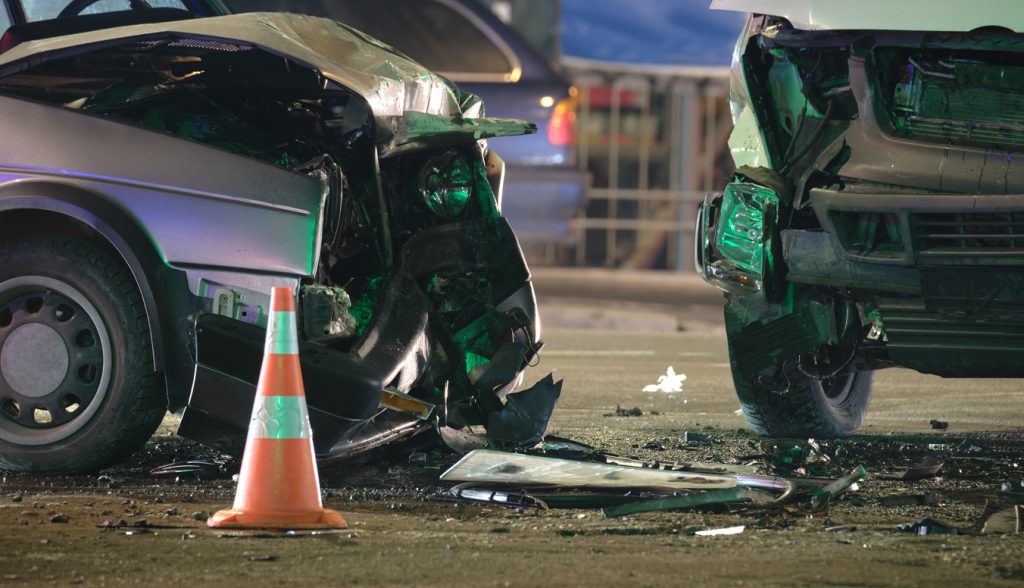
When a multi-vehicle accident occurs in Colorado, the incident typically involves three or more vehicles that experienced a collision on one of the state's numerous highways, streets, intersections, or parking lots. In many cases, alcohol or drugs, distracted driving, fatigue, recklessness, speeding and tailgating cause the incident. That said, an accident can also result from a complex series of events involving negligence by vulnerable road users, poor road or weather conditions, or other factors. Read on to learn more...
Why Multi-Vehicle Accident Liability Matters
A car accident can financially burden everyone involved in the incident because of injuries, deaths and property damage. After a multi-vehicle incident, the responsibility of paying for damages can fall on the shoulders of more than one person. The outcome depends on one or more victims and the court determining fault.
Typically, these types of cases have more than one liable party, which the state refers to as comparative or shared fault. When there are multiple negligent people involved in a multi-vehicle accident, it's referred to as comparative negligence.
If one driver causes an accident, they're at fault and liable to pay damages. With multiple at-fault parties, each one shares some degree or percentage of fault. When an incident starts with one person and another negligent person's actions cause more injuries, deaths or property damage at any point during the accident, then both parties share the fault as well.
What Role Does Insurance Play?
Colorado requires all drivers to carry a minimum level of liability insurance, including drivers of passenger, commercial and off-highway vehicles. The latter category includes dirt bike and motorcycle riders and anyone who drives an ATV, dune buggy, three-wheeler, or a military vehicle.
Teen drivers using a permit must have an "affidavit of liability" signed by a parent, foster parent, guardian, stepparent, grandparent, county DHS case manager, or other legally responsible adult 21 years of age or older. The adult must also have a valid Colorado driver's license, a license from another state, or a military identification, or allow another valid driver to serve as an alternate permit supervisor. The affidavit guarantees that the adult takes on the financial responsibility in a liability case.
All drivers must have minimum coverage. The minimum required at-fault liability insurance for a motor vehicle in Colorado at the time of this writing is $15,000 for property damage per accident, $25,000 per person for one-party bodily injury or death, and $50,000 for all injuries and deaths per accident.
Of course, state officials recommend that drivers invest in optional coverage. For example, a driver might select UM/UIM options that pay toward their damages when an accident is the result of actions by an uninsured, underinsured and hit-and-run driver. They can also invest in medical payments coverage that acts like supplemental health insurance; collision insurance that covers damage from object and vehicle collision and rollover; and comprehensive coverage for non-collision damage caused by man-made or natural events.
Victims Must Prove Fault After Multi-Vehicle Incidents
Law enforcement officers, insurers, investigators and others usually treat a multi-vehicle incident like a chain reaction that started with one or more events occurring at the same time and then spiraled outward, causing other events. Anyone can be held accountable for their actions at any point during the accident, including pedestrians and other vulnerable road users.
A victim or victims use police reports, official and personal scene photos and videos, traffic camera and dash cam footage, if available, driver and passenger statements, other witness statements, and expert accident reconstruction reports to prove their case. They must also establish if there were any road and weather conditions or traffic law violations that caused the accident.
Consider the follow scenario: A distracted driver rear-ends another vehicle, which pushes other vehicles forward and causes additional rear-end events. A driver closest to the nearby intersection at the end of the bumped traffic is forced to swerve out of the way of a pedestrian who decided in that same moment to jaywalk and failed to look both ways. This last event damages a parked car.
The victims in this event must prove that at least the initial motor vehicle driver and negligent pedestrian share fault. If any other drivers were positioned too close in the traffic, they might also share it. The liable parties or their insurers pay damages equivalent to the percentage of fault determined by the court.
Why Is Legal Representation Important?
Given the complexities of these types of cases, victims should consider hiring a Colorado accident attorney with experience handling multi-vehicle liability cases. A law firm with experienced staff can perform all the tasks necessary to investigate an accident and acquire evidence to prove percentages of fault. They also have the skills needed to argue this type of case successfully and help their clients work with multiple insurance carriers to obtain their deserved compensation.