Understand Your Rights. Solve Your Legal Problems


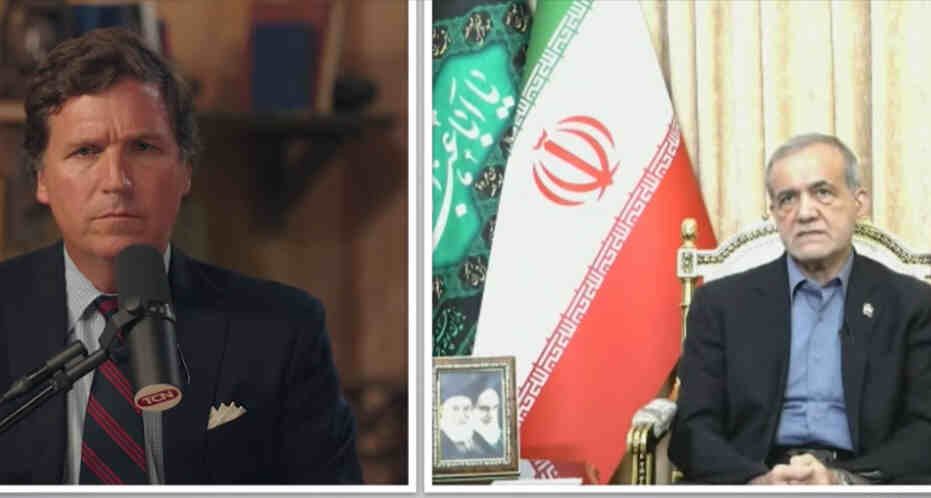
Tucker Carlson’s newest broadcast has reignited public debate over two deeply controversial subjects: the U.S. government’s final word on Jeffrey Epstein, and a rare interview with Iran’s newly elected president, Masoud Pezeshkian, who claims Israel attempted to assassinate him during recent regional conflict.
The independently released episode, posted to Carlson’s X channel, continues his trend of bypassing traditional news outlets to deliver highly polarizing content directly to a global audience.
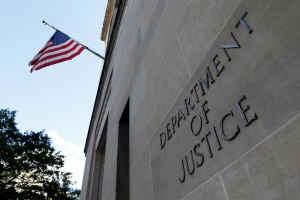
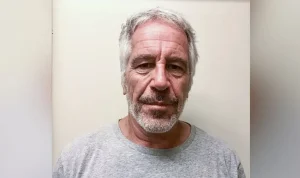
The episode opens with Carlson addressing a new Department of Justice memorandum, which concluded that federal investigators found no evidence of a so-called Epstein “client list,” no blackmail scheme involving high-profile figures, and reaffirmed that Epstein died by suicide in 2019 while in federal custody.
Why is Pam Bondi’s Justice Department covering up Jeffrey Epstein’s crimes and murder? Saagar Enjeti has a theory.
(0:00) Apparently Jeffrey Epstein Is Innocent Now?
(9:20) The Suspicious Life of Robert Maxwell
(11:00) How the Kennedy Assassination Broke America
(13:34) The Dark… pic.twitter.com/MkkscleGoQ— Tucker Carlson (@TuckerCarlson) July 8, 2025
Tucker Carlson responded critically to the report, raising concerns about transparency and suggesting that major questions remain unanswered. While he did not make specific claims, his commentary underscored the public’s ongoing skepticism surrounding Epstein’s ties to prominent individuals and the lack of further prosecutions following his death.
The second half of the broadcast features Carlson’s exclusive interview with Iranian President Masoud Pezeshkian, conducted remotely with the assistance of a translator.
When asked if Israel had attempted to assassinate him during the June conflict, Pezeshkian responded directly.
“They did try, yes. They acted accordingly, but they failed.”
He claimed that while he was in a meeting, Israeli forces targeted the area.
“I was in a meeting … they tried to bombard the area in which we were holding that meeting.”
Pezeshkian went on to describe damage to Iran’s nuclear infrastructure.
“Our nuclear centers were severely damaged. We have no access to them now.”
Addressing regional tensions and the possibility of further military escalation, Pezeshkian said Iran was not seeking conflict with the United States or Israel.
“We did not start this war and we do not want this war to continue in any way.”
He also signaled that Tehran would be open to restarting nuclear negotiations under the right conditions.
“We see no problem in re‑entering the negotiations.”
However, he questioned whether the U.S. could be trusted after allowing what he described as Israeli aggression.
“How are we going to trust the United States again? … How can we know for sure that … the Israeli regime will not be given the permission again to attack us?”
The Pezeshkian interview adds to Carlson’s growing portfolio of high-profile global conversations, including recent interviews with Russian President Vladimir Putin, Hungarian Prime Minister Viktor Orbán, and El Salvador’s President Nayib Bukele.
While critics have accused Carlson of giving a platform to authoritarian leaders, supporters argue that he’s offering a rare chance to hear directly from world figures often filtered through government and media narratives.
Carlson’s tone in the Pezeshkian interview was restrained and focused, and he later explained that he avoided certain topics, such as Iran’s domestic human rights record, because he did not believe he would receive honest answers.