The Riverview Murders: A Forensic and Legal Examination of the Ronnie O'Neal III Case
Reading Time:
14
minutes
Posted:7th July 2025
Sam Fielding
Last updated 22nd September 2025
Share this article
In this Article
The Riverview Murders: A Forensic and Legal Examination of the Ronnie O'Neal III Case.
The Night the Unthinkable Happened
On the evening of March 18, 2018, in Riverview, Florida, 29-year-old Ronnie O'Neal III fatally attacked his 33-year-old ex-girlfriend, Kenyatta Barron, and their 9-year-old daughter, Ron'Niveya O'Neal. Their 8-year-old son, Ronnie O'Neal IV, survived despite sustaining multiple stab wounds and severe burns.
This case, marked by its extreme violence and O'Neal's shocking decision to represent himself in court, immediately gripped public attention. This report delves deep into the heart of the Ronnie O'Neal III case, moving beyond the cold facts to explore the intricate forensic details that painted a grim picture of the crime.
At Lawyer Monthly, we examine the psychological profile of the perpetrator, the social and environmental factors that may have influenced the crime, and the legal proceedings that followed. Our goal is to uncover overlooked details in the public narrative and provide clear, informed analysis that offers a deeper understanding of this tragic case.
The Night of March 18, 2018: A Descent into Chaos
The terror began just before midnight on March 18, 2018. At 11:43 p.m. EDT, a desperate 911 call reached the Hillsborough County Sheriff's Office. On the line was Kenyatta Barron, her voice laced with fear. In the background, the chilling voice of Ronnie O'Neal III could be heard, uttering fragmented, disturbing phrases: "She killed me," "Don't come outside, call 911 now," and the ominous "Allah Akbar." The call abruptly cut off, leaving dispatchers with a horrifying sense of dread.
Kenyatta Barron
Just six minutes later, at 11:49 p.m., deputies arrived at the Riverview home to a scene of unfolding horror. Kenyatta Barron lay motionless in the front yard, her life tragically extinguished. A neighbor, James Gray, would later provide a harrowing account, testifying to hearing piercing screams followed by frantic banging on his fiancée's door.
When he opened it, he saw Kenyatta face down, unresponsive. Ronnie O'Neal III stood over her, clutching her arm, an unidentified object in his other hand. Gray recalled O'Neal shouting, "You don't understand," and repeatedly yelling "Allah Akbar" and "you don't understand, she killed me" before retreating back into the house. Gray, a brave witness, remained by Kenyatta's side until law enforcement arrived.
Minutes later, at 11:51 p.m., O'Neal himself placed a 911 call. His voice, though calmer than the chaos heard moments before, was no less disturbing. He claimed to have been attacked by "white demons" and accused Kenyatta, whom he referred to as "Ke-Ke," of trying to kill him, chillingly stating he "just killed her." He then provided their home address.
Inside the house, the nightmare continued. Ronnie III turned his unfathomable rage on his children. Nine-year-old Ron'Niveya was brutally attacked with a hatchet, her young life tragically cut short. His 8-year-old son, Ronnie IV, endured severe stab wounds, but against all odds, he clung to life. After inflicting these unspeakable injuries, O'Neal deliberately set the house ablaze, adding arson to his horrific crimes.
Amidst the smoke and flames, Ronnie IV, despite his critical stab wounds and burns, found the strength to escape the burning home. His first words to a detective were a desperate, clear declaration: "My father shot my mother." He was immediately rushed to a Tampa hospital, fighting for his life.
When police finally apprehended Ronnie III, he resisted arrest, forcing officers to use a Taser. Even in the squad car, his disturbing pronouncements continued. He referred to Kenyatta, the woman he had just murdered, as "the devil" and chillingly claimed, "the kids are the devil's kids". He was booked into Hillsborough County Jail the following day. Four days after the horrific incident, on March 22, 2018, Ronnie IV, with remarkable resilience, provided detectives with a more comprehensive and detailed account of the events that led to the deaths of his mother and sister.
The rapid, unsettling shift in O'Neal's statements—from the fragmented, possibly delusional shouts during the attack to a more structured, self-exculpatory narrative in his subsequent 911 call—offers a critical, albeit disturbing, glimpse into his state of mind. His initial cries, heard by Kenyatta and the neighbor, suggest a mind in extreme turmoil, perhaps even mid-act. Yet, his later 911 call, made just minutes after the initial horror, presents a coherent, albeit false, story of self-defense.
This pattern hints at a chilling blend of cognitive function and manipulative intent, even amidst apparent psychosis. It suggests that while delusions may have clouded his perception, there was also a conscious effort to construct a defense. The repeated "Allah Akbar" phrase, in this context, appears to be part of his chaotic, delusional world, intertwined with claims of "white demons" and "the devil's kids," rather than a clear religious motivation.
This unsettling complexity made the case a profound challenge for both legal and psychological interpretation, suggesting O'Neal retained some capacity for rational thought and self-preservation, even as his reality was severely warped. This pattern proved highly significant for the prosecution, directly challenging any defense based solely on complete mental incapacitation or lack of intent.
Kenyatta Barron beaten to death, presumably by shotgun, as observed by neighbor James Gray.
March 18, 2018
11:49 p.m.
Deputies arrive at the home, find Kenyatta Barron unconscious in the yard.
March 18, 2018
11:51 p.m.
Ronnie O'Neal III's 911 call, claiming attack by "white demons" and stating he "just killed her."
March 18, 2018
After 11:51 p.m.
O'Neal attacks daughter Ron'Niveya with hatchet (fatal), stabs son Ronnie IV (critically wounded), sets house on fire.
March 18, 2018
Shortly after attacks
Ronnie O'Neal IV escapes, tells detective "My father shot my mother."
March 18, 2018
Arrest
Ronnie O'Neal III resists arrest, tasered by police. Makes statements about Kenyatta being "the devil" and kids "the devil's kids."
March 19, 2018
Next day
Ronnie O'Neal III booked into Hillsborough County Jail.
March 22, 2018
Four days after attack
Ronnie O'Neal IV provides detailed account to detectives.
Unraveling the Crime Scene: A Brutal Canvas
The scene inside and outside the Riverview home painted a horrifying picture of extreme brutality, meticulously documented by forensic investigators. Dr. Mainland, the medical examiner, delivered chilling testimony detailing Kenyatta Barron's extensive injuries. She had suffered a gunshot wound to her right back shoulder and a much larger one to her right elbow, her arm broken in two places.
But it was the blunt force trauma to her head that truly spoke of the savagery: over fifteen separate lacerations, multiple abrasions and contusions, predominantly on the left side of her head, and a staggering six or seven skull fractures, including a fractured jaw, facial bones behind her lip, and fractures at the base of her skull. Several of her teeth were also missing. Dr. Mainland concluded, unequivocally, that Kenyatta Barron died from blunt force trauma.
Detective Dirks testified that a shotgun, found broken or disassembled within the house, was the weapon used. The court, weighing the evidence, concluded that Kenyatta Barron was beaten to death, presumably with this broken shotgun, during the agonizing 4.5 minutes between her initial desperate 911 call and neighbor James Gray's discovery of O'Neal standing over her lifeless body.
This level of violence, far exceeding what was necessary to cause death, screamed of an attack fueled by overwhelming rage or a severe psychotic break. The disorganization in weapon use—a shotgun broken and then wielded as a bludgeon—further underscored the frenzied, uncontrolled nature of the assault.
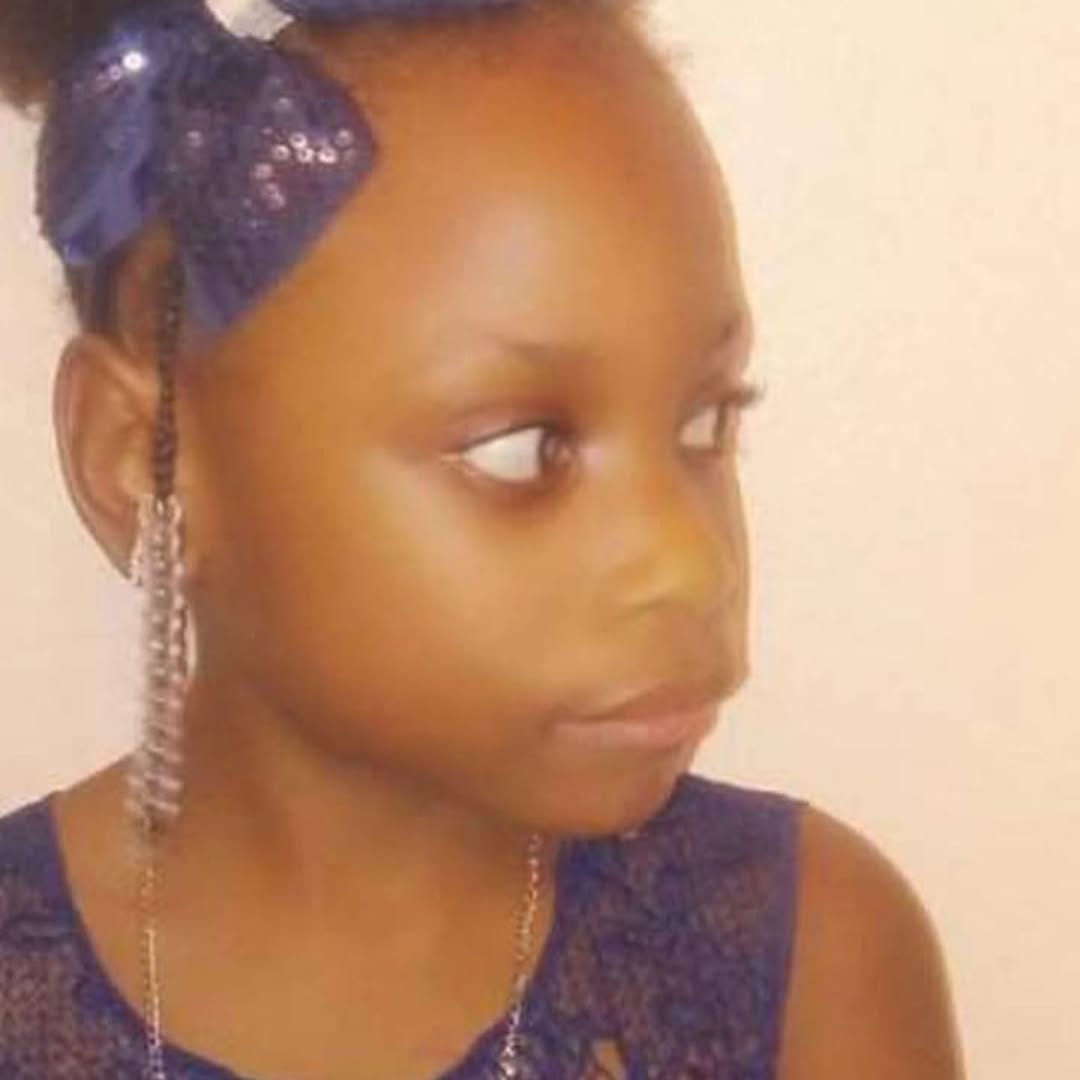
Ron’Niveya O’Neal
The violence extended to the children with equally horrifying ferocity. Nine-year-old Ron'Niveya O'Neal was tragically killed with a hatchet. Her 8-year-old brother, Ronnie O'Neal IV, endured severe stab wounds and burns, yet remarkably, he survived. After inflicting these unspeakable injuries, Ronnie O'Neal III deliberately set the family home ablaze, adding arson to his litany of crimes.
The sheer brutality and the use of multiple methods of assault—shooting, bludgeoning, hacking, stabbing, and burning—on multiple victims suggest a perpetrator in a state of profound psychological disarray, likely experiencing an acute psychotic episode where rational thought was completely overridden by impulse and distorted perception.
This transcends a simple criminal act, pointing instead to a deeply disturbed mental state, rendering any "self-defense" claim utterly implausible from a forensic standpoint. Such patterns of "overkill" and disorganized violence are often crucial indicators in forensic psychology, leading to hypotheses about severe mental illness or extreme personality pathology. This detail is vital for understanding the why behind the horrific how.
Ronnie O'Neal IV's survival and his unwavering testimony were not just pieces of evidence; they were the very cornerstone that dismantled his father's self-serving narrative and secured convictions. His immediate, clear statement to a detective, "My father shot my mother," was crucial in the initial, chaotic moments of the investigation. His more detailed account, provided just four days after the attack, further solidified the prosecution's case. During the trial, Ronnie IV displayed remarkable composure and clarity, even when cross-examined by his own father.
When asked, "Did I hurt you that night of the incident?" the boy bravely replied, "Yes." And when pressed, "How did I hurt you?" he unequivocally stated, "You stabbed me". The consistency and clarity of Ronnie IV's statements, from the immediate aftermath to his courageous courtroom testimony, are extraordinary for a child who endured such profound trauma.
His ability to directly contradict his father in court, under immense pressure, underscored the undeniable truth of his account. This highlights the critical, often undervalued, role that child witnesses can play in true crime investigations and trials. Their unvarnished accounts, when consistent and corroborated, can cut through complex legal defenses and provide undeniable clarity.
The Mind of the Perpetrator: A Fractured Reality
Ronnie O’Neal III’s words and actions during the night of the murders pointed to a deeply disturbed mental state. As Kenyatta Barron desperately called 911, O’Neal could be heard shouting phrases like “She killed me” and “Allahu Akbar.” In his own 911 call moments later, he claimed he had been attacked by “white demons” and admitted, “I just killed her.” While in the back of a police car, he referred to Kenyatta and their children as “the devil” and “the devil’s kids.”
At trial, the defense tried to explain O’Neal’s behavior through trauma and possible PTSD. Psychologist Dr. Heidi McClain testified that past abuse and a violent incident in his adulthood could have triggered an extreme stress response. But under questioning, she admitted she never actually interviewed O’Neal and couldn’t confirm whether he showed core symptoms of PTSD.
Ronnie O'Neal IV
Later, forensic psychologist Dr. Scot Machlus spent time evaluating O’Neal over 12 sessions. He concluded that O’Neal had a delusional disorder, shaped by a history of severe trauma—including sexual abuse as a child, a near-fatal shooting in 2017, and a family background of mental illness. He didn’t excuse the violence, but believed these factors should weigh against the death penalty.
These conflicting expert opinions revealed how difficult it can be to untangle mental illness in a courtroom. The early PTSD claim lacked depth, while the later, more thorough evaluation offered a troubling portrait of a man whose grip on reality had long been slipping. It raises hard questions about how trauma and untreated mental illness can fester—and how, without intervention, they can end in unimaginable tragedy.
Beyond the Individual: Domestic Violence, Delusion, and a Story of Survival
Although specific incidents weren't detailed in court, defense psychologist Dr. Heidi McClain referenced a "prior history of domestic violence" involving Ronnie O’Neal III. This aligns with Kenyatta Barron’s chilling 911 call, during which she screamed, “He’s attacking me.” While the official motive remains listed as “unknown,” the context suggests the murders may have been the culmination of ongoing abuse, rather than a sudden, isolated act.
O’Neal’s behavior during and after the attacks—including repeated shouts of “Allahu Akbar” and claims about “white demons” and “the devil’s kids”—reflected severe delusional thinking. Though the phrase “Allahu Akbar” has religious roots, no evidence linked O’Neal to religious extremism. Forensic psychologist Dr. Scot Machlus diagnosed him with a delusional disorder, indicating his statements were more likely a product of psychosis than ideology.
This underscores the need for careful, informed analysis of mental illness in criminal cases—especially when interpreting statements made during a psychotic episode. Jumping to conclusions about motive or belief can distort public understanding and media coverage.
Amid the tragedy, a story of resilience emerged. Ronnie O’Neal IV, who survived the attack with serious injuries, was later adopted by Detective Mike Blair, one of the officers who comforted him the night of the murders. In 2019, he became Ronnie Blair, joining a new family and beginning a new chapter. Both he and Detective Blair have described his recovery as nothing short of remarkable.
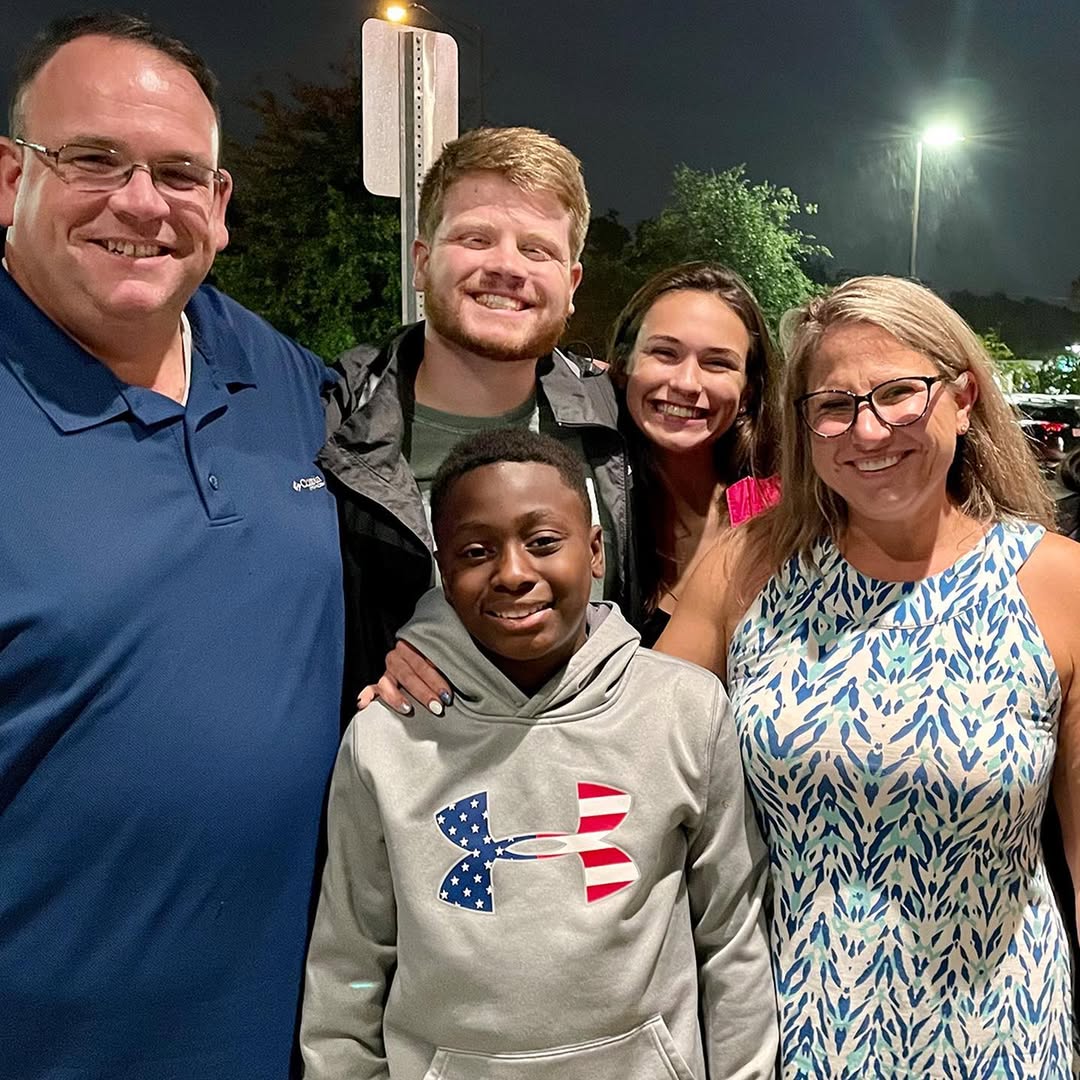
Little Ronnie and his new family
This narrative thread provides a powerful, hopeful counterpoint to the extreme darkness of the crimes. It showcases human resilience and the profound positive impact of intervention and care. Ronnie IV's adoption by Detective Blair represents a remarkable act of restorative justice and profound human kindness. It transforms a story of unimaginable loss and trauma into one of hope, healing, and the capacity for new beginnings.
This aspect of the case resonated deeply with the public, shifting the narrative from solely the perpetrator's depravity to the resilience of victims and the positive role of compassionate individuals. This element of the case serves as a powerful reminder that even in the most tragic true crime stories, there can be narratives of survival, recovery, and profound human connection. It underscores the importance of long-term support for child survivors of violence and highlights the often-unseen dedication of law enforcement beyond their immediate duties.
The legal proceedings against Ronnie O'Neal III were a dramatic and often unsettling spectacle, marked by several key pretrial motions and highly unusual procedural aspects, most notably O'Neal's decision to represent himself in a capital murder trial.
Pretrial Proceedings and Key Motions
O'Neal's defense attorneys initially filed a motion to dismiss the murder charge of Kenyatta Barron, attempting to invoke Florida's controversial "Stand Your Ground" law. They claimed she had tried to kill him. However, after a thorough evidentiary hearing, the trial court meticulously reviewed the evidence and decisively rejected this request, finding O'Neal ineligible for such a defense.
The court found "clear and convincing evidence" that Kenyatta Barron was brutally beaten to death by O'Neal, presumably with the broken shotgun, during the approximately 4.5-minute interval between her initial desperate 911 call and neighbor James Gray's observation of O'Neal standing over her body. Crucially, the court dismissed O'Neal's self-serving 911 statement as lacking credibility, given it was made after Kenyatta was already deceased and directly contradicted by compelling eyewitness testimony.
This definitive legal outcome underscores how robust investigative work, precise forensic findings (like the nature of Kenyatta's injuries and the state of the shotgun), and compelling eyewitness testimony can effectively dismantle even legally complex defenses.
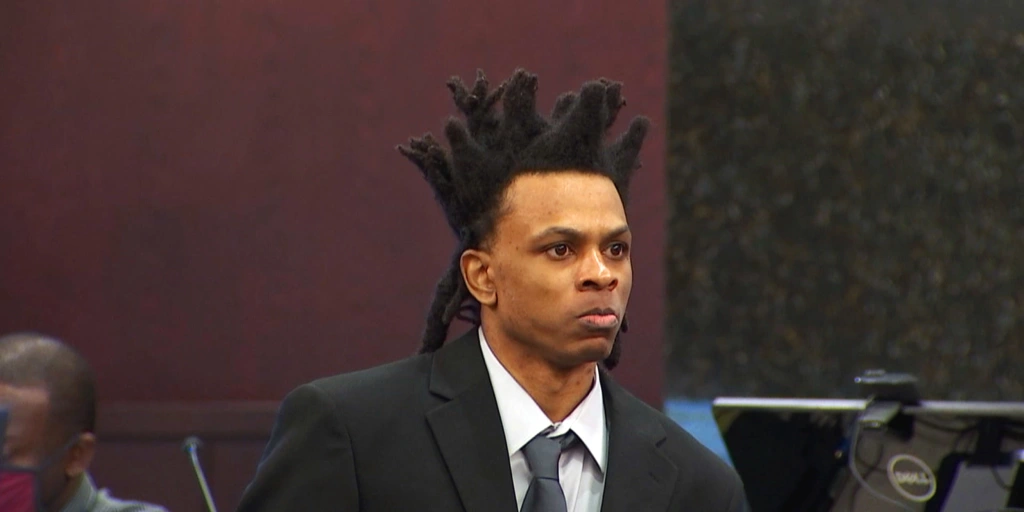
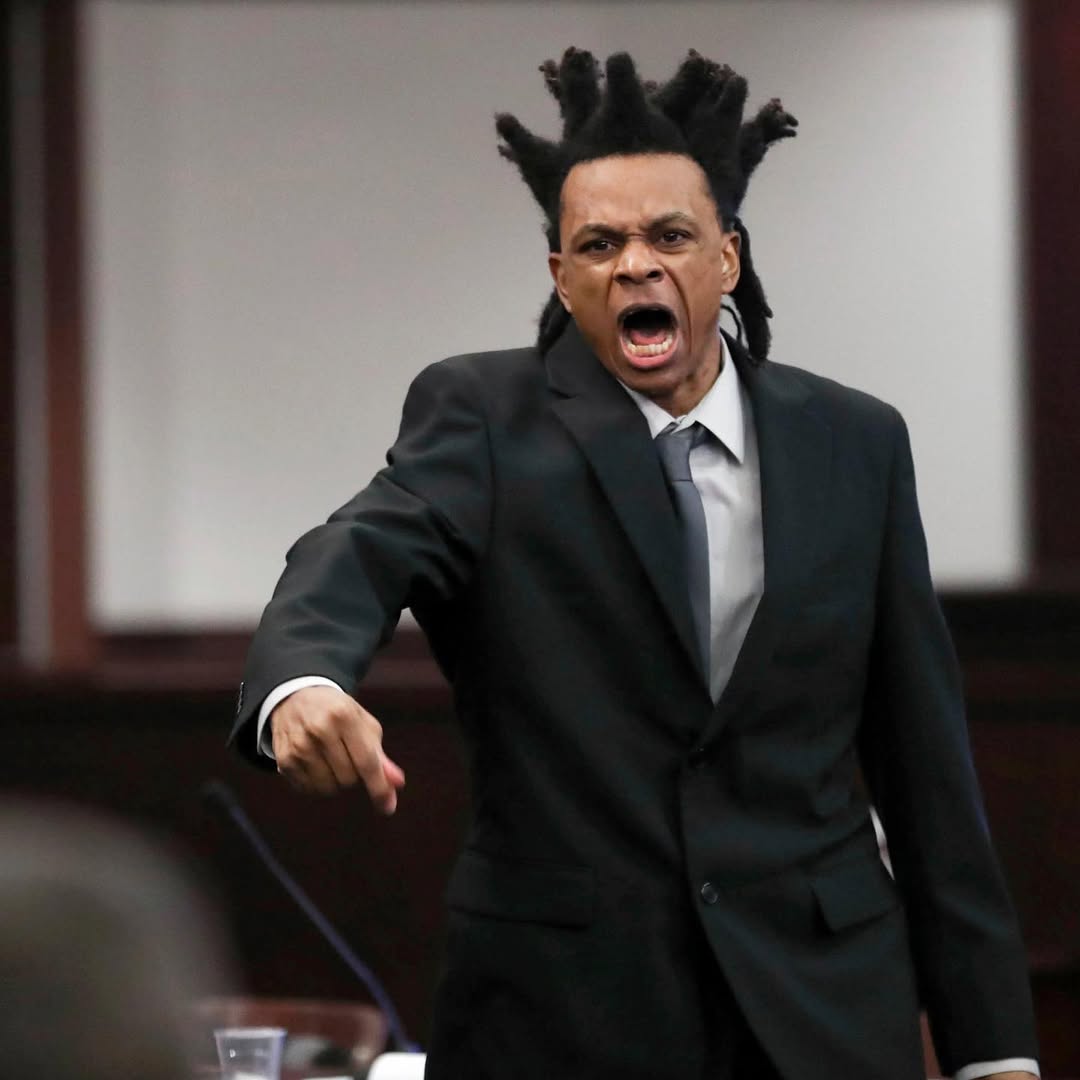
Ronnie O’neal in the courtroom acting as his own attorney and screaming at the jury.
The court found that Ronnie O’Neal III’s self-defense claims were not only unsupported but clearly contradicted by the evidence. The case highlighted the limits of Florida’s “Stand Your Ground” law, reaffirming that it doesn’t protect acts of unprovoked or excessive violence, even when a defendant claims otherwise.
O’Neal also tried to block the use of graphic crime scene photos, calling them irrelevant or excessive. The court partially agreed, allowing objections to be raised as specific images came up during trial. His team pushed to include testimony from Dr. McClain about PTSD and past trauma, but her lack of direct evaluation weakened its impact. O’Neal also requested individual juror questioning, arguing that group voir dire could bias the jury due to pretrial publicity.
Ronnie O'Neal III's Self-Representation: A Shocking Choice
Perhaps the most unsettling aspect of the trial was O'Neal's decision to serve as his own attorney, alongside his appointed counsel. This led to the shocking and deeply disturbing act of him cross-examining his own son, Ronnie IV, who was a key witness for the prosecution. Throughout the trial, O'Neal maintained that his son had lied to investigators about the incident. This self-representation in a capital murder trial is exceedingly rare and almost always detrimental to a defendant's case. O'Neal's confrontational and often incoherent approach in court, particularly his direct questioning of his traumatized child, likely alienated the jury and further exposed his unstable mental state, rather than serving as an effective legal strategy.
Key Testimonies: The Voices of Truth
The prosecution's case was built upon compelling and often heartbreaking testimonies from several key individuals. James Gray Jr., the brave neighbor, provided crucial eyewitness testimony, recounting the screams, seeing O'Neal over Kenyatta's body, and O'Neal's chilling "Allah Akbar" shouts. Detective Dirks testified about the grim crime scene findings, including Kenyatta's state, the gunshot wound, and the broken shotgun, which were instrumental in establishing the sequence of events.
Dr. Mary Mainland, the medical examiner, delivered detailed autopsy findings regarding Kenyatta's extensive injuries, particularly the blunt force trauma as the cause of death, which were central to the prosecution's case. Most impactful, however, was the testimony of Ronnie O'Neal IV, the surviving son. His consistent and brave account that his father shot his mother and stabbed him provided direct, undeniable evidence of the perpetrator's actions.
Defense Strategy and Closing Arguments: A Desperate Plea
O'Neal's defense strategy largely revolved around his self-defense claim and attempts to introduce mental health evidence to explain his actions. In his closing arguments, O'Neal, often shouting at the prosecution and the jury, vehemently reiterated his claims that his son's statements were inconsistent and had been coached. Despite these desperate claims, he made a striking and chilling admission: "I did kill Kenyatta Barron, but I want you to tell it like it is if you're going to tell it". He also bizarrely accused law enforcement of tampering with Kenyatta's body and adding injuries.
Verdict and Sentencing: Justice Served
On June 21, 2021, after hearing the overwhelming evidence and O'Neal's erratic defense, the jury found Ronnie O'Neal III guilty on all counts: two counts of first-degree murder, one count of attempted first-degree murder, two counts of aggravated child abuse, one count of arson, and one count of resisting a law enforcement officer. On July 23, 2021, he was sentenced to three consecutive life sentences without the possibility of parole, plus an additional 90 years.
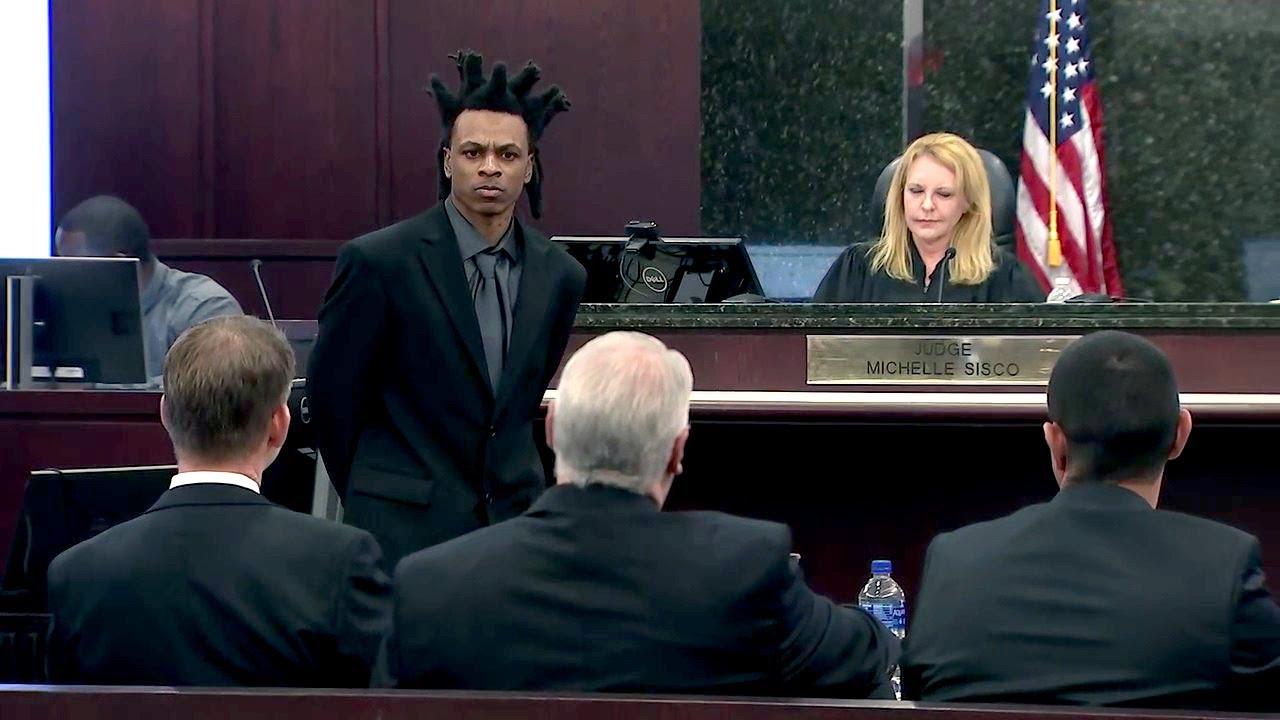
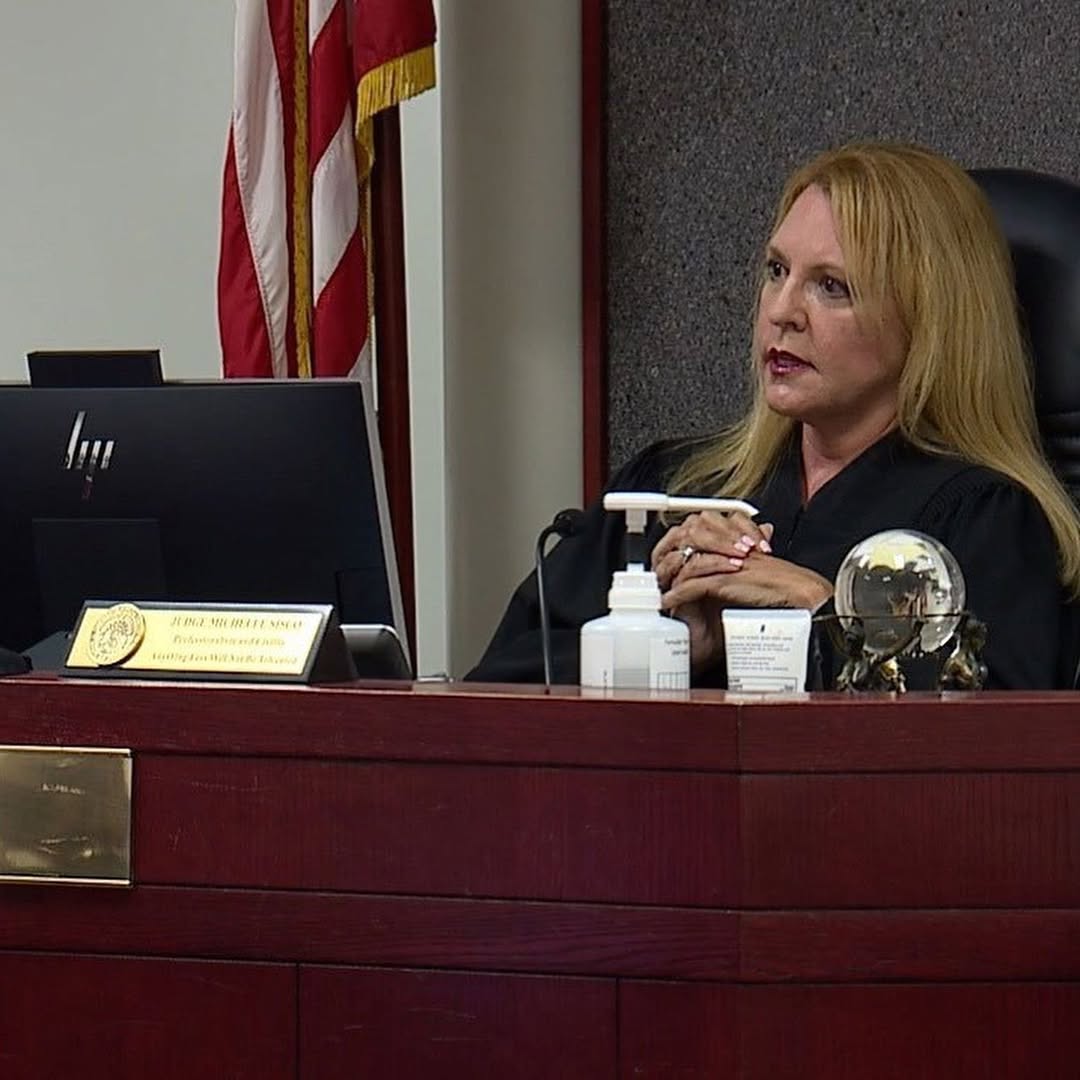
Judge Michelle Sisco
Reflecting on the case during sentencing, Judge Michelle Sisco described it as the "worst case [she's] ever seen" in her nineteen-year judicial career, specifically noting O'Neal's actions toward his daughter as "abject cruelty".
Appeals Process: The Finality of the Law
O'Neal subsequently appealed his judgment and sentences. However, the appellate court affirmed the judgment and sentences, finding no merit in the multiple issues he raised. The swift and definitive rejection of his appeal further solidified the legal system's affirmation of the trial court's findings and the undeniable strength of the prosecution's case.
A Tragedy Marked by Violence, Trauma, and Difficult Questions
The case of Ronnie O'Neal III remains one of the most disturbing examples of domestic violence in recent memory. In March 2018, O'Neal killed his ex-girlfriend, Kenyatta Barron, and their 9-year-old daughter, Ron'Niveya, and severely injured their 8-year-old son, Ronnie IV. The timeline of events, supported by 911 calls, forensic evidence, and the powerful testimony of the surviving child, painted a clear picture of what happened that night.
Investigators described the violence as extreme, with signs of “overkill” suggesting a loss of control rather than self-defense. The broken shotgun used as a blunt weapon underscored the brutality. Despite O'Neal’s attempts to claim self-defense and question his mental state, the jury found him guilty on all counts.
Psychological assessments revealed a history of trauma, including reports of childhood abuse and a past shooting. Though an early PTSD claim was dismissed, later evaluations diagnosed O'Neal with a delusional disorder and noted a family history of mental illness. These findings raised questions—but not enough to alter the outcome.
Ultimately, the courage of Ronnie O'Neal IV was central to the case. His testimony helped bring clarity to a night of chaos, and justice to a deeply tragic story.
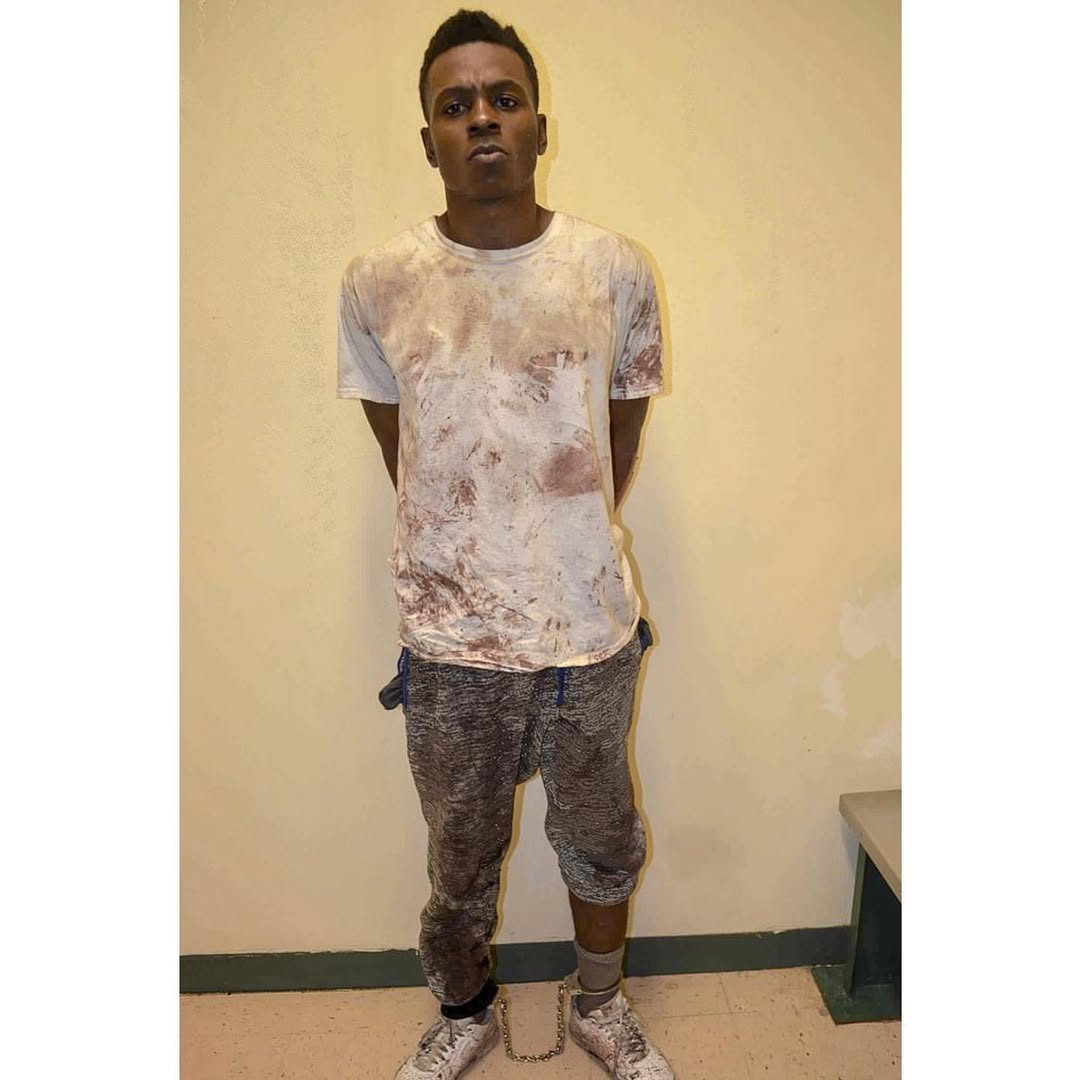
Ronnie O’Neal the night he was arrested, covered in the blood of his family.
Ronnie O’Neal’s actions appear to stem from a severely distorted mental state, where he saw his own family as threats. This suggests a deeper psychological breakdown rather than a clear, rational motive. While details remain limited, references to prior domestic violence point to an escalating pattern that may have set the stage for the final attack.
His repeated shouts of “Allahu Akbar,” when viewed with other paranoid and delusional statements, seem tied to psychosis—not religious extremism—underscoring the need for careful interpretation in such cases.
Legally, the court rejected O’Neal’s “Stand Your Ground” defense, ruling he was the aggressor. His choice to represent himself—especially while cross-examining his surviving son—was both unusual and deeply unsettling. In the end, overwhelming evidence, including forensic reports and his son’s testimony, led to a conviction on all counts and a sentence of three consecutive life terms.
People Also Ask
Q: What was Ronnie O'Neal III convicted of? A: Ronnie O'Neal III was convicted of two counts of first-degree murder, one count of attempted first-degree murder, two counts of aggravated child abuse, one count of arson, and one count of resisting a law enforcement officer.
Q: How long was Ronnie O'Neal III sentenced to? A: He was sentenced to three consecutive life sentences without the possibility of parole, plus an additional 90 years.
Q: Did Ronnie O'Neal III represent himself in court? A: Yes, Ronnie O'Neal III chose to serve as his own attorney during the trial, in addition to his appointed counsel. This included cross-examining his own son, Ronnie IV, who was a key witness for the prosecution.
Q: What happened to Ronnie O'Neal III's son, Ronnie IV? A: Ronnie O'Neal IV survived the attack despite severe stab wounds and burns. He was later adopted by Detective Mike Blair, who had responded to the crime scene, and changed his name to Ronnie Blair.
Q: Was Ronnie O'Neal III diagnosed with a mental illness? A: A forensic psychologist, Dr. Scot Machlus, diagnosed O'Neal with a "delusional disorder" and noted a predisposition for mental illness inherited from his family, along with trauma from childhood sexual abuse and an adult shooting incident.
Lawyer Monthly is a news website and monthly legal publication with content that is entirely defined by the significant legal news from around the world.
To provide the best experiences, we and our partners use technologies like cookies to store and/or access device information. Consenting to these technologies will allow us and our partners to process personal data such as browsing behavior or unique IDs on this site and show (non-) personalized ads. Not consenting or withdrawing consent, may adversely affect certain features and functions.
Click below to consent to the above or make granular choices. Your choices will be applied to this site only. You can change your settings at any time, including withdrawing your consent, by using the toggles on the Cookie Policy, or by clicking on the manage consent button at the bottom of the screen.
Functional
Always active
The technical storage or access is strictly necessary for the legitimate purpose of enabling the use of a specific service explicitly requested by the subscriber or user, or for the sole purpose of carrying out the transmission of a communication over an electronic communications network.
Preferences
The technical storage or access is necessary for the legitimate purpose of storing preferences that are not requested by the subscriber or user.
Statistics
The technical storage or access that is used exclusively for statistical purposes.The technical storage or access that is used exclusively for anonymous statistical purposes. Without a subpoena, voluntary compliance on the part of your Internet Service Provider, or additional records from a third party, information stored or retrieved for this purpose alone cannot usually be used to identify you.
Marketing
The technical storage or access is required to create user profiles to send advertising, or to track the user on a website or across several websites for similar marketing purposes.
To provide the best experiences, we use technologies like cookies to store and/or access device information. Consenting to these technologies will allow us to process data such as browsing behaviour or unique IDs on this site. Not consenting or withdrawing consent, may adversely affect certain features and functions.
Functional
Always active
The technical storage or access is strictly necessary for the legitimate purpose of enabling the use of a specific service explicitly requested by the subscriber or user, or for the sole purpose of carrying out the transmission of a communication over an electronic communications network.
Preferences
The technical storage or access is necessary for the legitimate purpose of storing preferences that are not requested by the subscriber or user.
Statistics
The technical storage or access that is used exclusively for statistical purposes.The technical storage or access that is used exclusively for anonymous statistical purposes. Without a subpoena, voluntary compliance on the part of your Internet Service Provider, or additional records from a third party, information stored or retrieved for this purpose alone cannot usually be used to identify you.
Marketing
The technical storage or access is required to create user profiles to send advertising, or to track the user on a website or across several websites for similar marketing purposes.