Understand Your Rights. Solve Your Legal Problems


by Joseph Finder
A sudden, violent loss shatters a family's world, plunging them into private grief. But when such a tragedy becomes the centerpiece of a high-profile criminal trial, that intimate sorrow explodes onto a relentlessly public stage.
For the family of John O'Keefe, the Boston police officer whose death lay at the heart of the Karen Read murder trial, the justice system transformed into a relentless public arena.
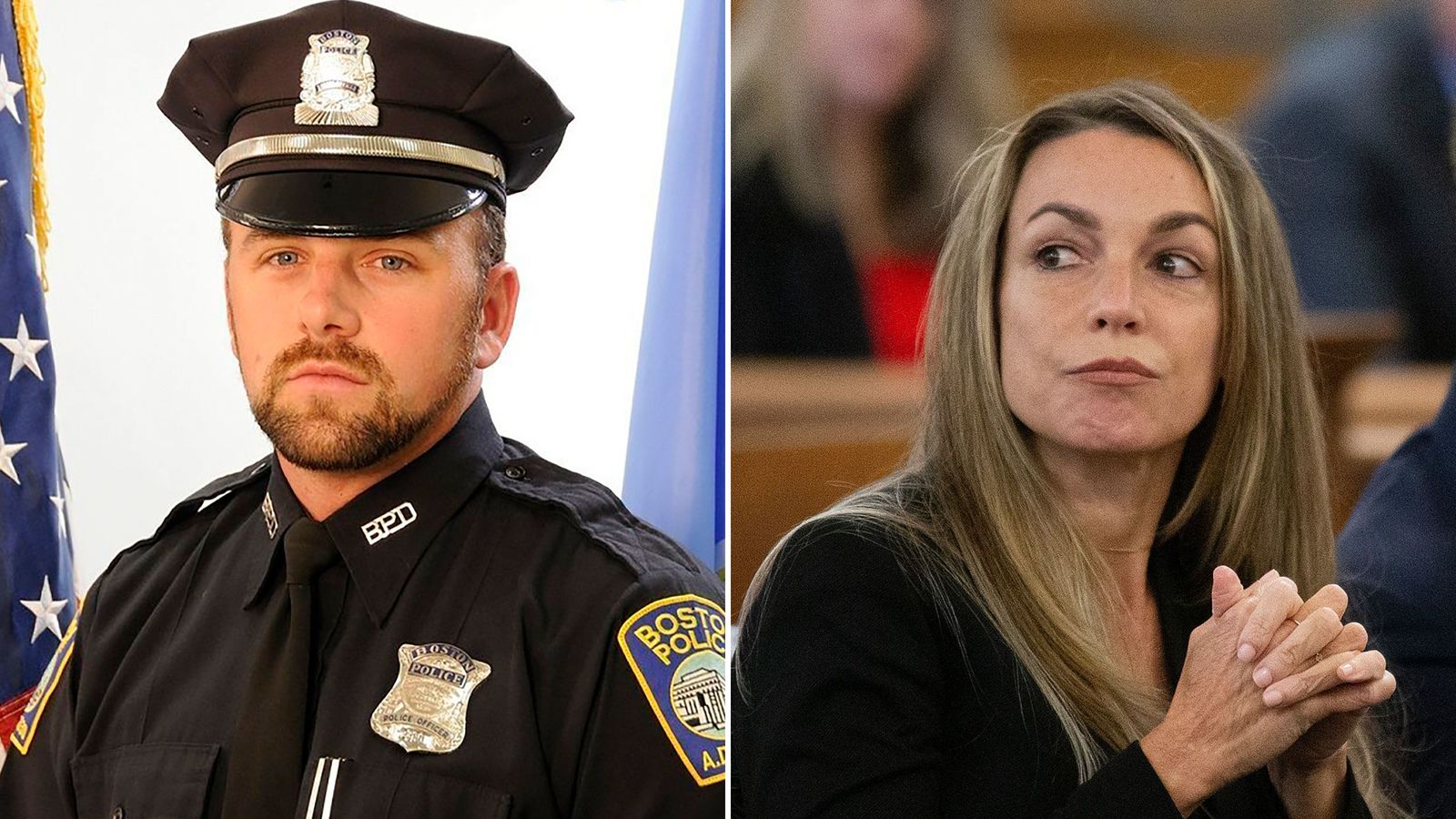
Their private grief became a spectacle, subjecting them to an ordeal stretching far beyond conventional courtroom confines. Their protracted journey offers a stark, poignant illustration of the unique pressures and immense psychological toll exacted on families thrust into the vortex of a globally watched case.
For most, navigating the profound sorrow of losing a loved one to violence is a deeply personal and intimate process. However, families caught in the glare of a high-profile trial find privacy a luxury simply unattainable. The O'Keefe family experienced this harsh reality firsthand:
The relentless public scrutiny and the inherently adversarial nature of a protracted trial invariably inflict a severe psychological and emotional toll:
Following the jury's verdict on June 18, 2025, which found Karen Read not guilty of second-degree murder and manslaughter charges, her defense attorneys expressed a mix of relief and continued concern regarding the broader investigation.
Attorney David Yannetti stated, "In one sense, this case brought justice in that they charged the wrong person, and they went after an innocent woman for 3-and-a-half years, and they failed because they charged the wrong person, but somebody's still out there. It's a shame that this investigation was not done in the proper way, so they could have gotten to the truth." He also acknowledged the immense relief that there was not another hung jury, stating, "Our biggest fear was a mistrial, and thank God that didn't happen."
Attorney Robert Alessi specifically praised the jury, saying, "God bless those 12 people on the jury. Members of your community had courage and sat there day after day, weighed the evidence, and did their job. They're the ones who are the heroes." He also added that "people knew what the truth was, and people motivated us to keep working hard."
Karen Read herself, speaking alongside her legal team and father outside the courthouse, reiterated her stance throughout the trial, saying, "No one has fought harder for justice for John O'Keefe than I have. Than I have, and my team."
In light of these monumental challenges, the role of comprehensive victim support services grows exponentially in its criticality. These invaluable services typically provide:
The justice system itself undeniably bears a solemn responsibility to fully acknowledge and actively mitigate the extraordinary burdens placed upon victims' families in high-profile cases. This necessitates implementing proactive measures, which could include:
The O'Keefe family's prolonged ordeal in the Karen Read trial serves as a powerful and poignant reminder that behind every sensational headline in a high-profile case reside real people experiencing unimaginable pain.
Their experience powerfully underscores the urgent need for a more empathetic, proactive, and protective approach within the justice system to truly support those who, through no fault of their own, find their deepest sorrows playing out on the world's most unforgiving stage.
How did John O'Keefe's family react to the Karen Read verdict? Members of John O'Keefe's family and close friends expressed profound heartbreak and immense disappointment with the verdict, stating their "hearts are with John and the entire O'Keefe family." They also lamented the "cruel reality that this prosecution was infected by lies and conspiracy theories" spread by the defense and some media, ultimately calling the outcome a "devastating miscarriage of justice."
What challenges do victims' families face in high-profile trials? Victims' families in high-profile trials confront intense media scrutiny, rampant public speculation, often severe online harassment (including doxxing), the profound psychological toll of re-living the trauma through repeated testimony, and the sheer emotional exhaustion of prolonged legal proceedings. Their private grief regrettably becomes a relentless public spectacle.
Is there support available for families of crime victims? Yes, various vital victim support services exist to help families of crime victims cope and begin to recover. These services frequently provide crucial emotional and psychological support (e.g., counseling, grief support), practical assistance (such as navigating the complex legal system and understanding court procedures), and essential advocacy. Organizations like Victim Support (in the UK) and numerous similar groups globally offer critical assistance.
The Karen Read trial has unveiled complex layers within our justice system, from the meticulous process of jury deliberation to the pervasive influence of public narratives. To gain a deeper understanding of these critical aspects and the broader implications for justice in the digital age, explore our related analyses: