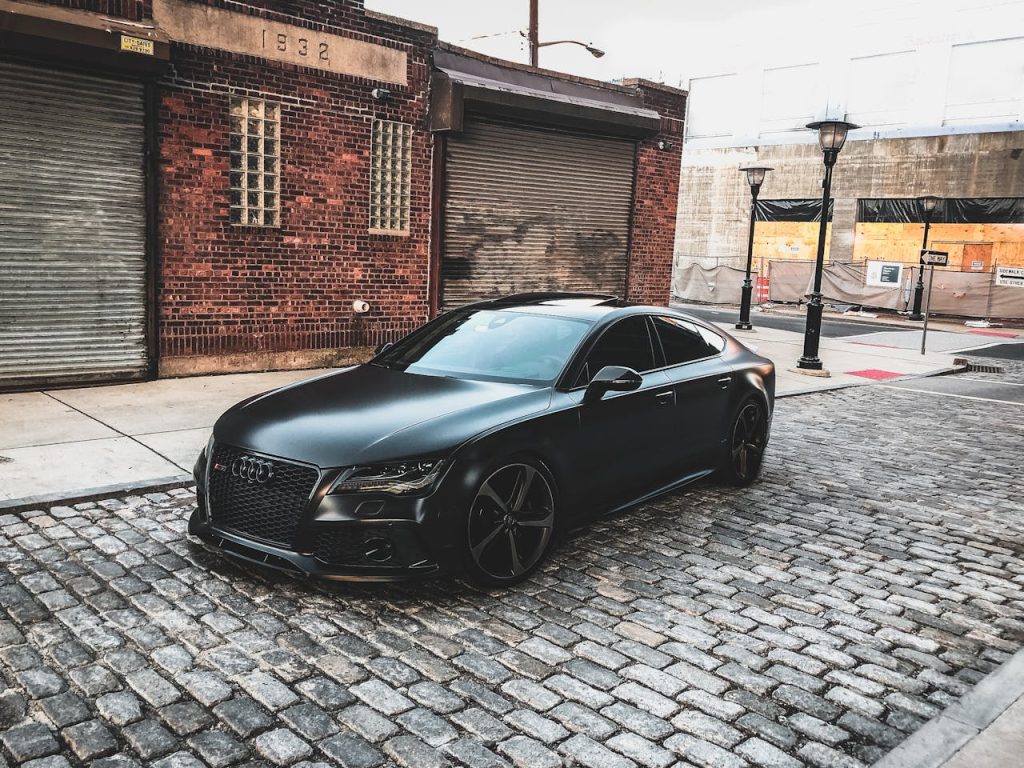
Customizing vehicles with aftermarket modifications, such as turbo engines and lifted suspensions, is a popular way for car owners to personalize their vehicles. These customizations, however, complicate accident liability determinations. Altered vehicles blur the lines of responsibility, raising questions about driver negligence, manufacturer standards, and insurance coverage. Below are three main ways aftermarket modifications impact liability in car accidents and what motorists should know to protect their rights.
1. Modifications That Compromise Safety Can Shift Liability
Manufacturers design cars to meet high safety and performance standards. However, with aftermarket modifications,basic systems like brakes are compromised, increasing the possibility of mechanical breakdown or driver error. Oversized tires, for example, may compromise stability, while engine modifications may result in uncontrollable acceleration. If an investigation shows a change was the likely cause of an accident, the driver could be liable for negligence.
Courts also consider whether the modification deviated from normal industry practice or manufacturer guidelines. Cosmetic changes, like dark tints on windows that impair visibility, may be labeled reckless if they compromise the driver’s safety while operating the vehicle. In these cases, plaintiffs can assert that the driver voluntarily introduced risks.
2. Insurance Complications: Undisclosed Modifications and Coverage Gaps
Most drivers ignore the fine details in their policy for using aftermarket parts. Most standard car insurance policies cover factory-installed parts or any modifications specifically disclosed to the insurance company. If a modified component causes or exacerbates an accident, and the driver did not report it, the insurer is likely to inject the claim outright. For example, an elevated truck that was in a rollover accident could lead the insurer to claim that the suspension upgrade invalidated coverage, so the driver would be held personally responsible for damages.
Insurers will often undervalue customized components or exclude them from payment even when changes are covered. This forces motorists to pay out of pocket for repairs or compensate injured individuals. Insurers can also use the presence of modifications as grounds for why the motorist assumes inherent risks, which reduces settlement figures. Settling such disputes requires understanding policy language and state statutes, which most drivers lack without legal counsel.
3. Legal Challenges in Proving Causation and Fault
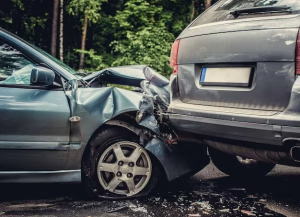
Accident investigations are complicated further by aftermarket modifications. It usually requires expert testimony, accident reconstruction, and rigorous vehicle history documentation to prove that a particular part contributed to the crash. Opposing lawyers and insurance companies can capitalize on modifications to divert blame, saying the driver’s decisions, not outside forces, caused the accident. For instance, if a rear-end collision occurs, the at-fault driver’s insurer may argue that the victim’s aftermarket exhaust system distracted other drivers, passing partial liability.
This is where the services of local legal counsel are of value. For example, an Atlanta car accident lawyer knowledgeable of Georgia’s traffic code and insurance tactics can counter such arguments by citing relevant precedents, consulting automotive experts, and scrutinizing the other party’s claims. They can also seek to establish that modifications are evaluated fairly, rather than being utilized as a blanket excuse for insurers to minimize compensation.
Endnote
Aftermarket alterations reflect personal style and passion, but create potential legal and financial liabilities. Drivers should document all modifications, read insurance policies diligently, and seek legal experts’ advice in case of an accident. For drivers involved in accidents involving modified cars, an understanding of how these changes impact liability is critical in building a strong case. By balancing innovation with accountability, drivers can enjoy their personalized vehicles while staying prepared for the unexpected.