Understand Your Rights. Solve Your Legal Problems


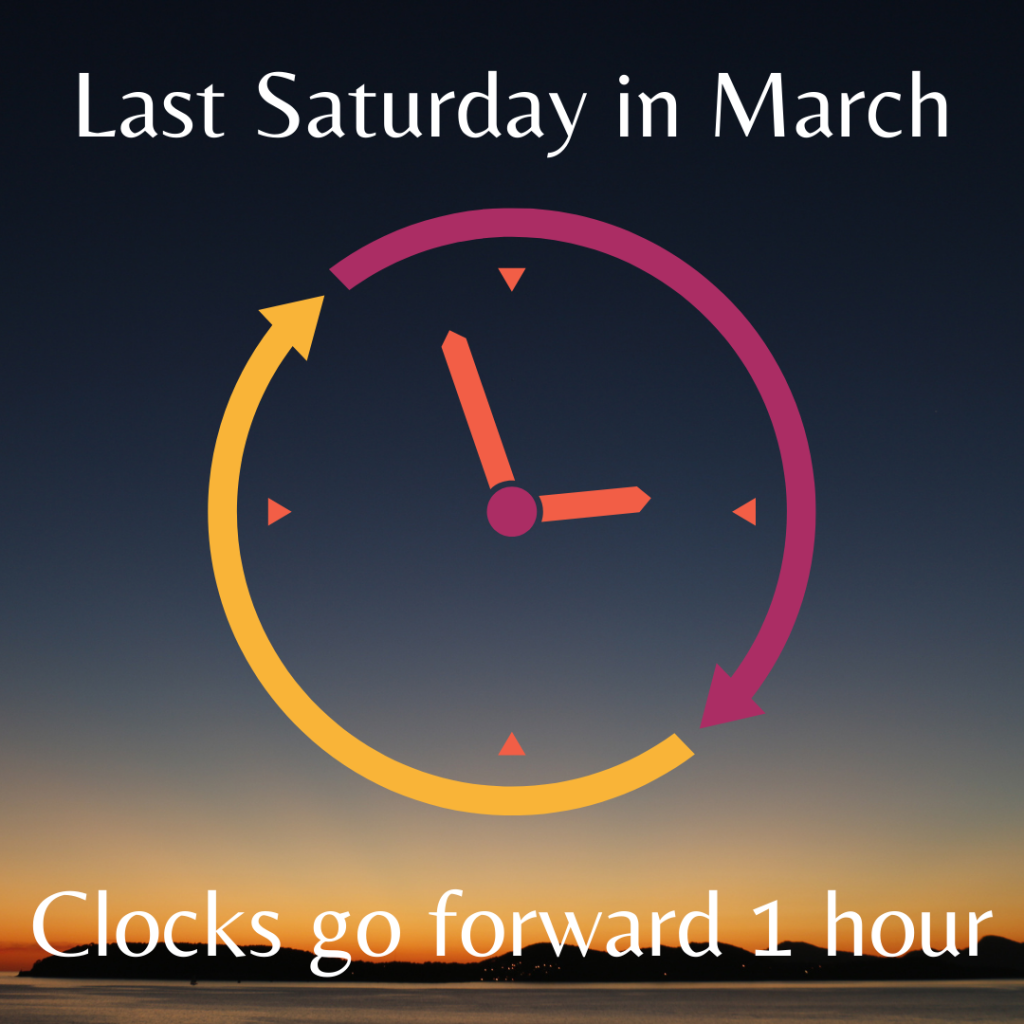
As the days warm into summer, many Americans will “spring forward” by setting their clocks one hour ahead. While this tradition means losing an hour of sleep, it also brings the reward of more daylight in the evenings. But how did this practice of changing the clocks twice a year come about?
The history of Daylight Saving Time (DST) stretches over a century, shaped by world wars, energy crises, and a human desire to make the most of daylight. Here's a look at how and why we change the clocks in the spring, and what impact it has on our daily lives.
The idea of adjusting clocks to take advantage of the longer daylight hours dates back to the 1890s. George Vernon Hudson, an astronomer and entomologist from New Zealand, proposed shifting the clocks to get more daylight after work. Around the same time, British homebuilder William Willett also campaigned for the idea, noting how people were missing out on valuable morning sunlight. Although these proposals sparked interest, they didn't immediately lead to widespread adoption.
Germany was the first to implement Daylight Saving Time (DST) during World War I. The goal was to conserve energy during the war. The United States quickly followed suit, and during World War II, the U.S. adopted what was called “war time”, keeping daylight saving in effect year-round.
After the war, DST became a regular feature in many countries, including Europe, Canada, and parts of Australia. Meanwhile, countries like Russia and much of Asia did not adopt this practice.
After World War II, the U.S. experienced significant confusion regarding the start and end of daylight saving time. Some cities and towns observed it, while others didn’t. To make matters worse, neighboring towns would follow different schedules, causing inconvenience for residents.
For example, a bus ride between Steubenville, Ohio, and Moundsville, West Virginia, could require passengers to change their clocks seven times on a 35-mile journey.
To address this, Congress passed the Uniform Time Act in 1966, standardizing the start and end dates of DST across the United States. States could choose to observe DST, but once they did, it had to be statewide.
While the U.S. has streamlined its system, other countries still experience confusion. In Lebanon, for example, a last-minute decision to delay the start of DST caused chaos. Some institutions followed the new rule, while others refused, leading to widespread confusion until the government reversed the decision.
While many people continue to grumble about shifting the clocks twice a year, there’s no shortage of debate over whether we should stick to Daylight Saving Time year-round or remain on Standard Time.
In the 1970s, during the energy crisis, the U.S. briefly tried using DST year-round to conserve energy. But the result was unpopular, with people waking up to darkness in the winter months and struggling to adjust to the late sunrises.
David Prerau, author of Seize the Daylight, notes that sticking to standard time year-round would mean giving up that precious extra hour of daylight in the evening for much of the year.
Thunder Bay, Canada, was one of the early adopters of DST. In 1908, the city switched from Central to Eastern time for the summer months, extending daylight hours for outdoor activities. However, this decision caused confusion when one part of the city stayed on Eastern time while the other switched back to Central time.
Today, Thunder Bay observes Daylight Saving Time, offering residents long, sunny days that make up for the harsh, cold winters. The city's unique location near Lake Superior means the sun doesn't set until around 10 p.m. in the summer, allowing residents to enjoy the outdoors well into the evening.
So why do we continue to "spring forward"? There are significant advantages to the practice. Anne Buckle, web editor at timeanddate.com, explains that the extended daylight encourages people to spend more time outdoors, exercising, and enjoying family activities. For many, having more daylight in the evening is a highlight of the spring and summer months.
The shift also helps with energy conservation, although the impact of this has been debated. While daylight saving does reduce the need for artificial lighting in the evening, modern energy usage patterns make its impact on overall energy consumption less significant than it once was.
Daylight Saving Time is a centuries-old tradition rooted in the desire to make the most of daylight, conserve energy during wars, and improve the quality of life. Despite occasional confusion and the debate over its pros and cons, the practice continues to be embraced by nearly 40% of countries around the world, especially in areas with long summer days.
So, as you adjust your clocks this spring, remember that this practice has been shaped by more than just a need to "get up earlier." It’s a result of historical events, energy conservation efforts, and our deep-seated love of daylight.