Understand Your Rights. Solve Your Legal Problems


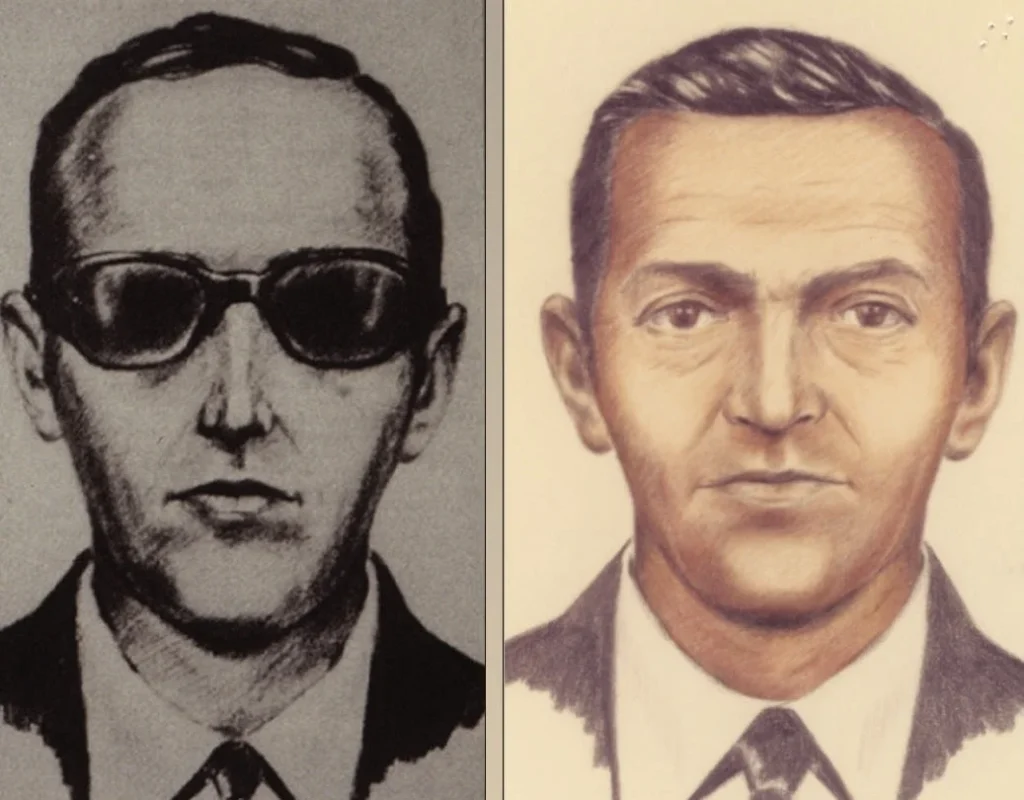
New evidence has emerged in the long-unsolved D.B. Cooper skyjacking case from 1971, suggesting the culprit may have been convicted hijacker Richard McCoy Jr. The children of McCoy Jr. have provided federal investigators with a modified parachute and logbook from the family property, which they believe definitively links their father to the theft of the $200,000 ransom. This development has prompted the FBI to officially review the cold case file after years of inactivity.
The legendary mystery of D.B. Cooper, the audacious skyjacker who vanished after extorting a $200,000 ransom in 1971, has suddenly found new life. This enduring unsolved cold case, which has captivated the American public for decades, is no longer a historical curiosity but a developing news story today. Recent, dramatic developments have prompted the FBI to officially revisit the file, focusing on a long-dismissed but prime suspect: Richard McCoy Jr.
The source of this breakthrough is personal and compelling: the children of the convicted hijacker, Chanté and Richard McCoy III (Rick). They have come forward with what they believe is the missing piece of evidence that links their father definitively to the crime. This stunning family revelation and the material evidence they provided suggest that the identity of the infamous D.B. Cooper may finally be unmasked.
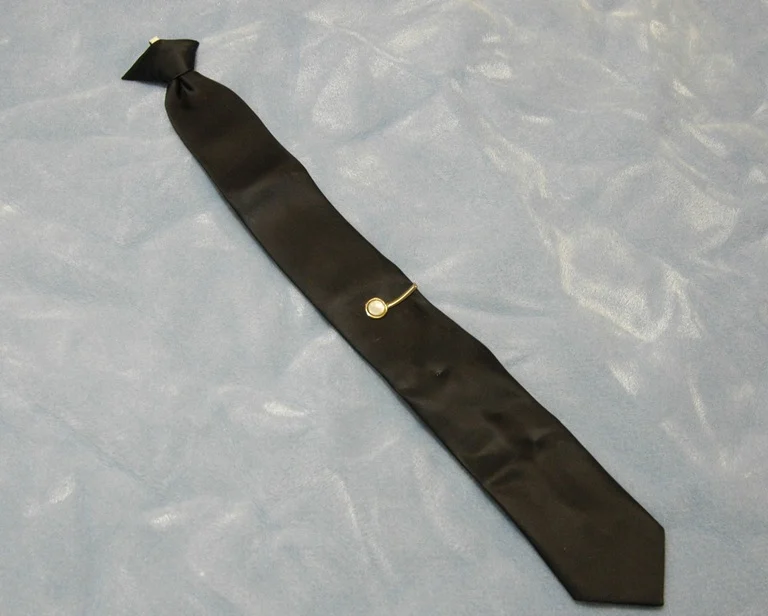
The black clip-on tie and gold mother-of-pearl tie clip that D. B. Cooper left on the Boeing 727 before parachuting into the night on November 24, 1971
The investigation, which the FBI had effectively closed in 2016, was forcefully reopened after Chanté and Rick presented new artifacts from the family property in North Carolina. The most crucial discovery is a modified parachute that amateur investigator Dan Gryder described as "literally one in a billion" due to its unique configuration. The children, along with Gryder, suspect this highly specific equipment was used by Cooper during his dangerous, nighttime jump over Washington state.
The FBI has since acquired the parachute, a skydiving logbook, and a harness found on the McCoy property. The logbook, according to Chanté, provides critical evidence linking the parachute to key locations involved in both the original Cooper hijacking and Richard McCoy Jr.’s copycat crime a year later. The presence of this unique, modified parachute is a central development that warrants the renewed federal attention on the D.B. Cooper cold case.

One of the parachutes supplied to D.B. Cooper during the November 1971 hijacking, which investigators have examined in renewed efforts to identify the unknown skyjacker.
The decision by federal authorities to conduct a four-hour search of the family property and seize this evidence underscores its potential importance. Although Richard McCoy Jr. died in 1974 following a prison escape, resolving the Cooper identity remains a high-stakes priority for historical and legal closure. The new evidence directly challenges the decades-long stalemate in the investigation.
"The case is technically closed from an active investigation standpoint, but any credible new evidence, especially one with such a personal, verifiable link, must be taken seriously," stated former FBI Assistant Director Mike Smith. This renewed focus provides the strongest challenge to the FBI’s previous conclusion that no person could be definitively named Cooper.
According to analysis reviewed by Lawyer Monthly, the similarity in methodology between Cooper’s 1971 escape and McCoy’s own 1972 parachute hijacking strongly suggests a shared, highly specialized military skillset. The original parachutes provided to Cooper in 1971 were modified by the late Earl Cossey, an experienced skydiver. The FBI is now testing the newly discovered parachute for modifications that align with Cossey’s known work, which could provide the final, conclusive link.
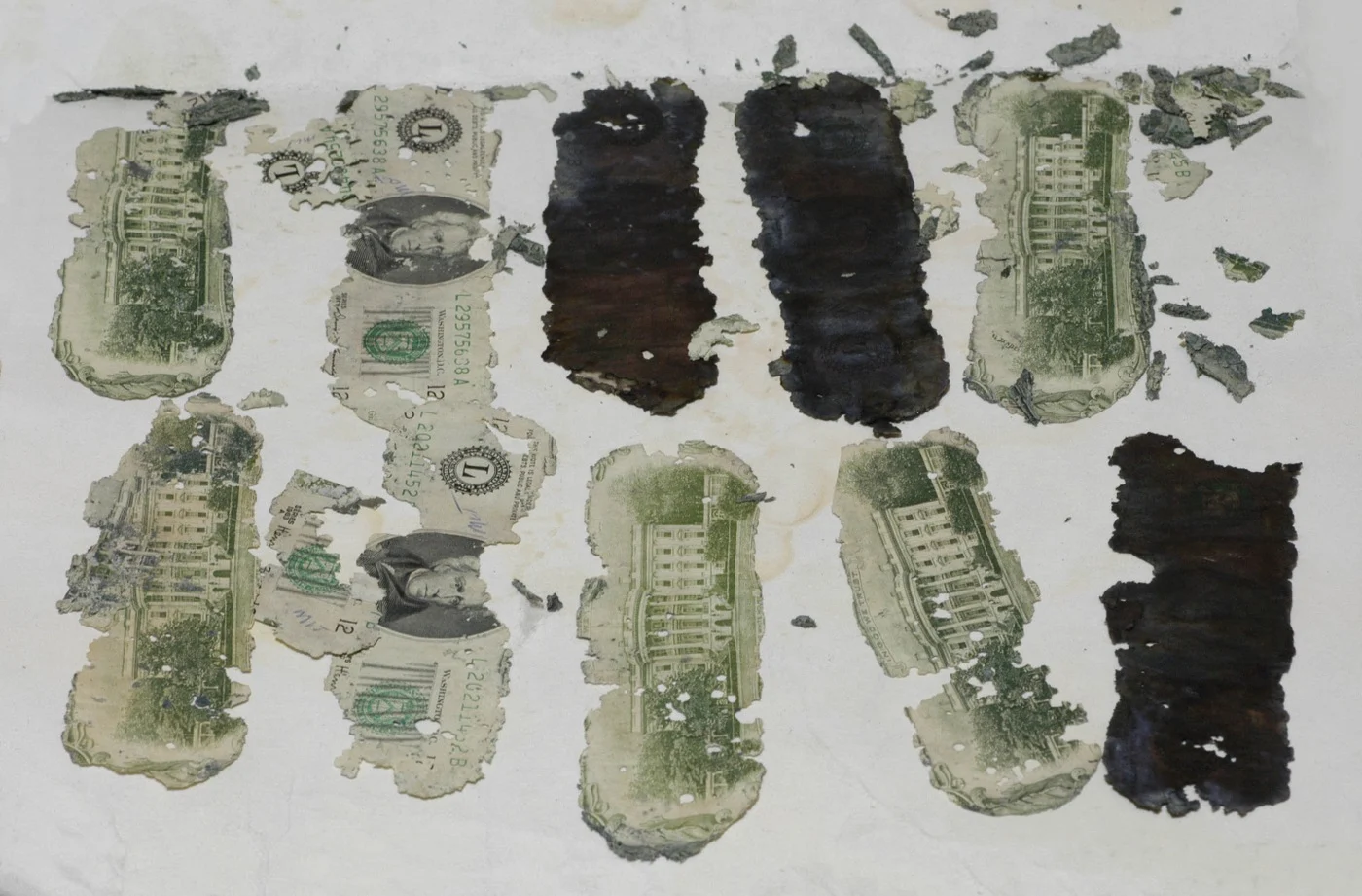
Fragments of the ransom money given to D.B. Cooper, discovered in three bundles totalling about US $5,800 on the bank of the Columbia River in February 1980; the bills show extensive deterioration from prolonged exposure to water and sand.
For years, McCoy was often dismissed as a viable suspect because his physical appearance did not fully match the initial, ambiguous descriptions of D.B. Cooper. However, the evidence now points to the technical ability and high-risk criminal mindset shared by the two events. McCoy was a Vietnam veteran, a highly trained paratrooper, and a helicopter pilot.
His own successful 1972 skyjacking involved demanding a 500,000-dollar ransom and successfully parachuting from the plane, a testament to his expertise. When placed within the broader timeline of copycat hijackings that followed the D. B. Cooper incident, this audacious and nearly identical crime strongly suggests that McCoy had the confidence and technical capability to have executed the original D. B. Cooper escape.
This new evidence from his family, combined with the detailed logbook, shifts the focus from circumstantial speculation to tangible, material proof. The timeline of the case may be converging, and the mystery of the missing hijacker may finally be coming to an end.