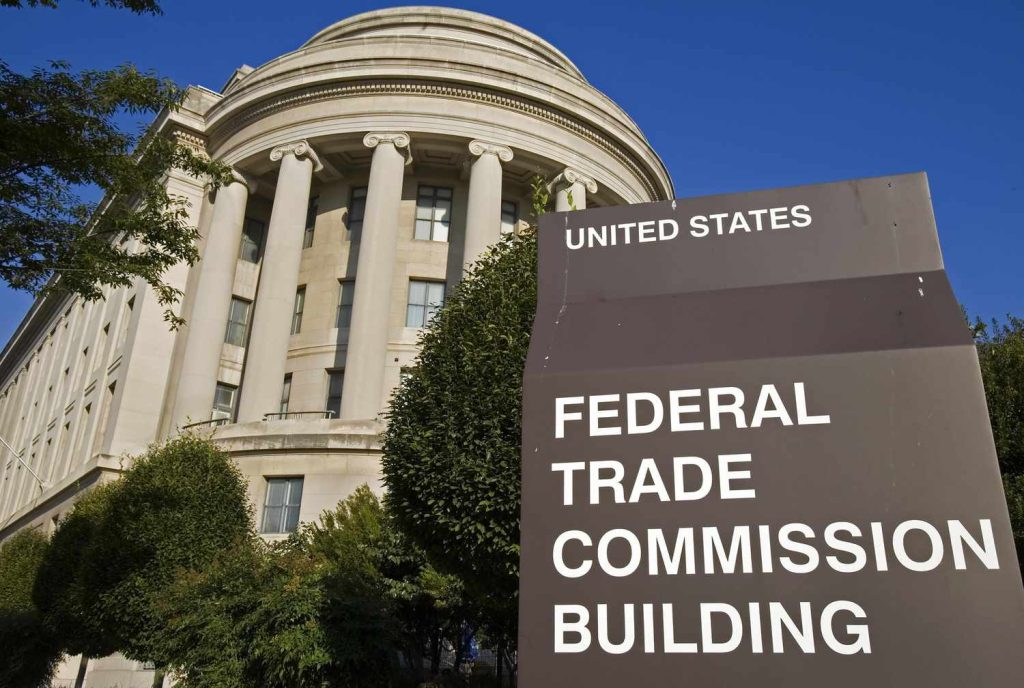
Federal Trade Commission has warned dozens of major law firms that shared approaches to diversity tracking could raise competition concerns, putting a long-running industry initiative under fresh scrutiny.
The letters, sent in early February, focus on firms participating in the Mansfield Certification programme, a voluntary scheme used by many large practices to measure progress on broadening senior recruitment pipelines. Attention has sharpened as federal agencies take a closer look at how workplace policies affect hiring, pay, and promotion decisions across professional services.
What prompted the FTC’s warning
The FTC says it is concerned that agreements around shared diversity metrics may affect how firms compete for talent. In its letter, the agency warned that coordination on hiring benchmarks could distort competition in the labour market, particularly if firms discuss pay, promotion pathways, or candidate pools with one another.
The issue is not any single firm’s internal policy. The concern arises from multiple competitors participating in the same framework and potentially exchanging sensitive information through a common programme.
Which firms are involved
Public information shows that 42 firms received letters, including international practices such as Dentons, DLA Piper, and Hogan Lovells. Together, US-based participants employ more than 50,000 attorneys.
The firms are involved through Mansfield Certification, which tracks whether leadership and senior roles were filled from a broadly considered pool of candidates over a defined period.
What the Mansfield Certification actually requires
The organisation behind the scheme, Diversity Lab, says Mansfield does not impose quotas or dictate hiring outcomes. Firms are required to collect data on recruitment processes and assess whether a wide pool of qualified candidates was considered.
According to Diversity Lab, the programme does not require firms to select candidates based on race, gender, or any protected characteristic, nor does it exclude anyone from consideration.
Why regulators are paying attention now
The FTC’s intervention follows a broader shift in federal enforcement priorities around workplace practices. Last year, the Equal Employment Opportunity Commission contacted a separate group of firms seeking information about equality policies.
What has changed is the framing. Rather than focusing only on discrimination risks, regulators are now examining whether shared standards between competitors could influence market behaviour, especially in high-paying, competitive professions.
What this changes for firms — and what it doesn’t
The letters do not allege wrongdoing and do not order firms to exit the programme. Instead, they serve as a warning that coordination on hiring criteria, data sharing, or compensation discussions can cross regulatory lines if not carefully managed.
For now, firms face uncertainty rather than immediate enforcement. Many are reviewing how they participate in industry initiatives, how data is shared, and who is involved in cross-firm discussions.
How this is handled under existing law
Under existing US competition rules, companies that compete for employees are expected to make independent decisions on hiring, pay, and promotion. Agreements or coordination that influence those decisions can attract scrutiny, even when the underlying goal is non-commercial.
Regulators typically look at how information is shared, whether participation is voluntary, and whether discussions stray into areas that affect market competition rather than internal policy.
What happens next
The FTC has not announced any investigations or penalties linked to the letters. Firms are expected to assess their involvement, respond if requested, and ensure internal safeguards are in place.
For now, the situation remains open. The warning signals heightened oversight, but the long-term impact on industry-wide diversity programmes is still unfolding.