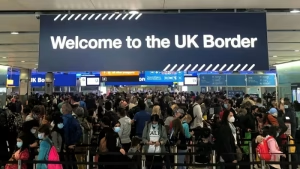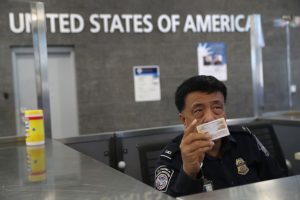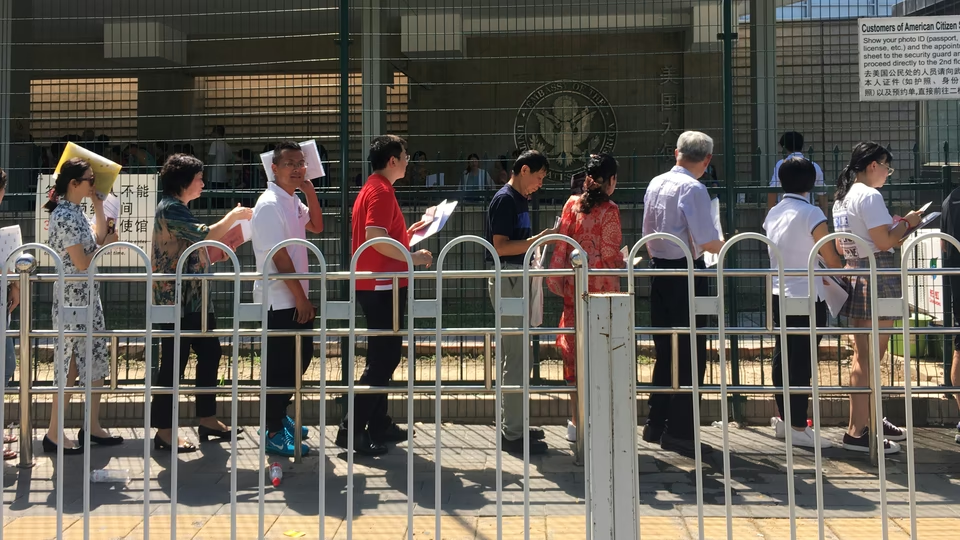
People applying for U.S. immigrant visas abroad are discovering that their cases can suddenly stop moving, even after months or years of preparation.
Interviews are postponed, documents sit unreviewed, and official timelines quietly disappear from embassy websites.
Attention has increased because a new U.S. government pause affects applicants from dozens of countries at once, creating confusion about who is blocked, who is delayed, and what happens to applications already in the system.
Who the visa processing pause actually affects
The pause applies to people applying for immigrant visas from outside the United States, meaning visas that lead to permanent residence. These applications are handled through U.S. embassies and consulates, not domestic immigration offices.
It does not apply to tourist, student, or short-term business visas. It also does not automatically apply to people already inside the U.S. who are adjusting status through domestic processes run by U.S. Citizenship and Immigration Services.
What happens to an application once processing is paused
When the pause takes effect, consulates stop issuing immigrant visas for affected nationalities. This does not usually mean applications are denied or closed.
Instead, cases are placed into an inactive or suspended state. Applicants are typically not given a new interview date, review deadline, or decision timeline. Embassy systems may still show cases as “pending,” even though no action is taking place.
There is no automatic notice explaining when processing will resume. Applicants often learn about the pause through public announcements rather than direct communication.
A real-world example of how delays unfold
Consider an employee recruited by a U.S. company for a permanent role. The employer completes sponsorship steps, the worker attends a medical exam, and an interview is scheduled at a U.S. consulate.
After the pause begins, the interview is cancelled. The applicant’s documents remain valid only for a limited period, but the case cannot move forward. The employer has no revised start date and no confirmation of when processing might restart.
Nothing is formally denied, but nothing progresses either. The delay becomes open-ended.
Where people misunderstand what the pause does
Many applicants assume a pause works like a rejection. In practice, it usually does not involve a formal refusal or legal finding.
Another common misunderstanding is that all visa categories are frozen. In reality, the pause targets immigrant visas processed abroad and does not automatically extend to other visa types or domestic applications.
A third point of confusion is timing. There is no statutory countdown or guaranteed review date once processing is paused. The delay exists until the government lifts or modifies the policy.
Why resolution often takes longer than expected
Visa processing pauses are implemented administratively, not through individual case reviews. That means cases are grouped by nationality and visa type rather than assessed one by one.
Because embassies operate under direction from the U.S. Department of State, officers do not have discretion to override the pause at the individual level. Even complete applications with prior approvals remain stalled.
When reviews are described as “ongoing,” that review happens at the policy level, not inside a single application file.
Expectation vs reality for affected applicants
Many people expect that submitting all required documents guarantees progress. In reality, procedural completeness does not prevent suspension once a pause applies.
There is also an expectation that delays will be measured in weeks. In practice, pauses can last months and sometimes change scope without advance notice.
What does not automatically happen is a denial, deportation, or loss of status for people not currently applying abroad.
How this is typically handled under existing law
U.S. immigration law allows the executive branch broad discretion over visa issuance abroad. The Department of State can suspend or limit processing based on policy reviews, security assessments, or eligibility criteria.
These pauses affect processing, not legal eligibility itself. Whether a person ultimately qualifies remains fact-dependent and unresolved until processing resumes.
No automatic legal violation is implied by inclusion in a paused group.
What remains uncertain — and what does not
Uncertainty exists around duration, because no fixed end date is required. It also exists around scope, as future changes may add or remove countries.
What is not uncertain is the procedural effect: applications stop moving, embassies stop issuing immigrant visas, and individual officers cannot accelerate cases during the pause.
Understanding that distinction helps explain why silence, not rejection, is the most common experience.