Understand Your Rights. Solve Your Legal Problems


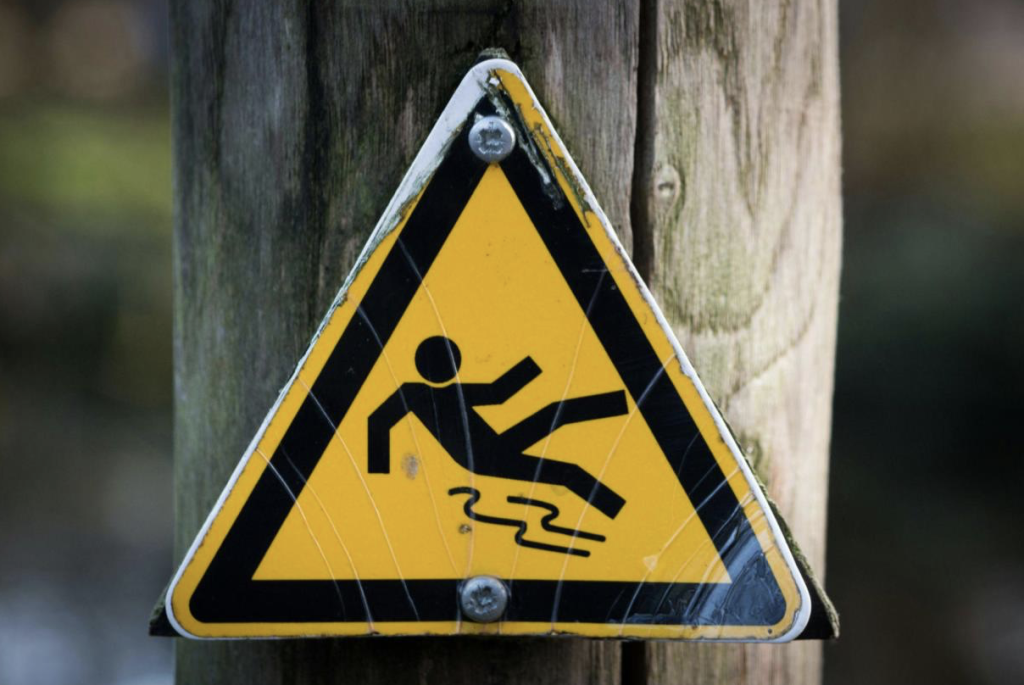
A slip and fall injury leaves victims with expensive medical bills and loss of income. But did you know that in some circumstances the property owner must compensate you for your injuries? In a situation where the accident occurred due to someone else’s negligence, you may be entitled to claim compensation.
Property owners are responsible for ensuring that their premises are safe at all times. So, if you are a victim of a slip and fall accident, it is important to know your legal rights. Personal injuries in Las Vegas are very common, and understanding the legal repercussions is important. In this article, we will examine what slip and fall accidents are and when property owners can be held liable for incidents.
A slip and fall accident is a situation where a person slips, trips, or falls on someone else’s premises. These accidents are primarily caused by the negligence of property owners, and it is advisable to consult a slip and fall lawyer in Las Vegas if you find it difficult to deal with the aftermath. Common places where slip and fall accidents occur include:
Essentially, any public place where there is a considerable amount of foot traffic is prone to slip and fall accidents.
Establishing liability in slip and fall cases requires extensive knowledge of personal injury laws. Determining who is liable for a slip and fall accident is not always straightforward. You must closely examine the minute details of the case to understand whether the property owner was truly at fault.
If the victim can demonstrate that the property owner was aware of the hazard and failed to take appropriate action to rectify it, they have a significant advantage. Let us look into the facts in detail:
To prove the property owner is liable, you must first show that they knew or should have known about the danger. For this, you can use various pieces of evidence, including:
To establish liability, you need to prove that the hazard knowledge was actual or constructive. In simple terms, you must show that the owner either knew about the hazard or it existed for a long time.

Property owners will often use signs to make sure visitors are aware of any hazards. But is it enough? Warning signs may reduce liability but don’t eliminate it.
When the signs are placed, you must look at where they were placed. Was the sign clearly visible? The timing also matters. Placing the sign after the incident clearly indicates negligence.
It is also necessary to check if the owner resolved the issue in a timely manner. If they had time to fix the problem but didn't, they may be liable for damages.
As you can see, establishing liability is complicated. This is why it is important to seek assistance from a personal injury lawyer to receive the compensation you are owed.
If both you and the property owner are at fault, your recovery amount can be reduced depending on where the incident occurred. Nevada follows a modified comparative negligence rule, allowing victims to recover damages if they were less than 51% at fault for the incident.
However, the total amount of compensation is determined by the percentage of fault. For example, if the total compensation is $10000 and you are 40% at fault, you will be eligible for $6000 in damages.
Establishing fault in slip and fall cases may seem straightforward at first glance, but that’s far from the truth. There are several factors and legal principles you need to consider to determine whether a property owner can be held liable for an incident, which can be overwhelming when you are dealing with injuries and mounting medical bills. Therefore, it is advisable to work with a seasoned lawyer so you can receive the compensation you deserve.