Understand Your Rights. Solve Your Legal Problems


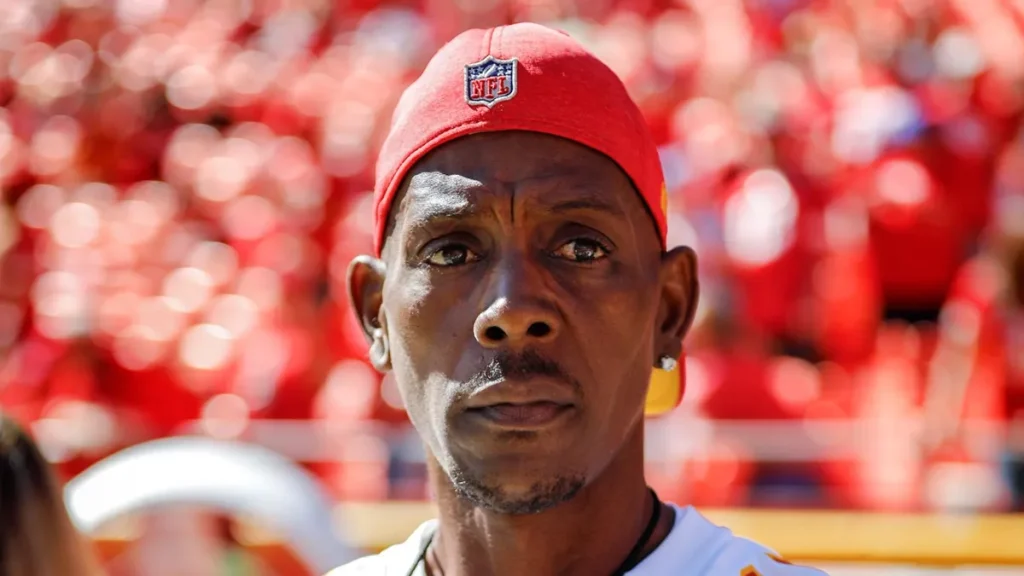
Patrick Mahomes Sr. is being held in the Smith County Jail in Texas ahead of a probation revocation hearing scheduled for next month, after authorities alleged he violated the terms of his court supervision stemming from a prior driving-while-intoxicated conviction.
Mahomes Sr., who pleaded guilty to felony DWI in 2024 and was sentenced to probation, was taken into custody after officials said a violation report had been filed. Prosecutors argue the alleged violations give the court authority to reconsider the original sentence, including the possibility of a prison term if probation is revoked.
The upcoming proceeding is not a new criminal trial. It is a probation revocation hearing, where a judge will determine whether the conditions of supervision were violated and whether probation can continue.
Judges have broad discretion in these cases and are not required to revoke probation automatically. Courts may modify supervision terms, impose short custodial sanctions, or revoke probation altogether, depending on the evidence and compliance history.
Court records indicate the alleged violation includes a reading from a court-ordered alcohol monitoring device, while subsequent alcohol tests reportedly did not return positive results.
Alcohol ankle monitors detect alcohol released through the skin rather than measuring blood alcohol directly. Because of that, judges typically review monitoring data alongside confirmatory testing, supervision records, and overall compliance patterns. Single disputed readings are generally evaluated differently than repeated or corroborated violations.
Mahomes Sr. has been ordered to remain in custody until the hearing. In probation cases, pre-hearing detention is a procedural measure rather than a punishment.
Judges may order a defendant held to prevent further alleged violations or to maintain control over supervision while the court reviews the matter. Being held without bond at this stage does not determine the final outcome of the case.
At revocation hearings, courts focus on whether alleged violations reflect a broader pattern of non-compliance or an issue that can be addressed through adjusted supervision.
Judges commonly examine the individual’s overall probation record, consistency of monitoring data, fulfillment of probation requirements, and whether corrective steps were taken after earlier warnings. Public attention or personal connections are not part of the court’s analysis.
Courts often attempt corrective measures before revoking probation entirely. These can include stricter supervision conditions, increased monitoring, or brief jail stays followed by reinstated probation.
Full revocation and prison sentences remain possible, particularly if the court finds repeated violations or concludes probation is no longer effective. A final decision in this case is expected after the scheduled hearing.
Following the hearing, the judge will decide whether Mahomes Sr.’s probation will continue, be modified, or be revoked. Until that ruling, he remains in custody under court order.
The decision will determine whether the case returns to supervised release or escalates to incarceration tied to the original conviction.