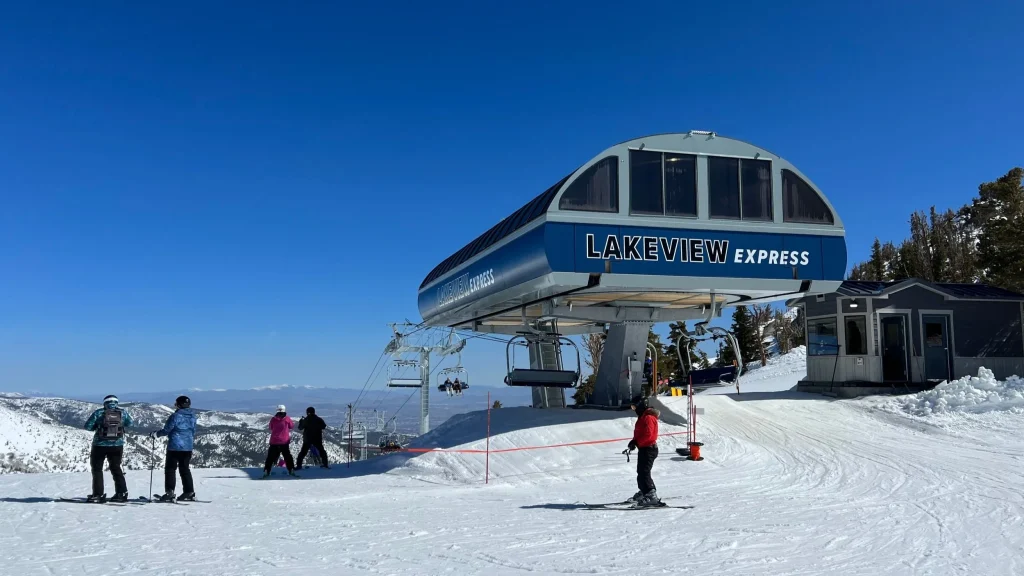
A young British-linked tourist died after becoming trapped on a chairlift at an overseas ski resort, following what appears to have been a failure during the disembarkation process. Her equipment became entangled as she exited the lift, and although staff eventually stopped the machinery, she suffered a medical emergency and later died in hospital.
The incident occurred at a busy international resort used by thousands of visitors each season. Questions were raised almost immediately about safety systems, staff response time, and whether automatic shut-off mechanisms were in place or functioning as expected.
At that point, the situation moved from a tragic accident into a legal one.
The Legal Question This Raises
When a paying visitor dies while using standard resort infrastructure, who carries responsibility when something goes wrong?
More specifically, the issue is not whether an accident occurred, but whether the operator of the lift met the duty of care expected in a commercial, regulated environment — particularly when the risk involved is well known and preventable systems may exist.
Who Is Exposed
Several parties can face legal and financial exposure in situations like this.
The resort operator is typically first in line, as they control the equipment, staff training, emergency protocols, and safety design. Equipment manufacturers can also come under scrutiny if a mechanical safeguard failed or was absent. In some cases, insurers, tour operators, or employers may be drawn in, depending on how the trip was arranged and whether the individual was working abroad.
Families are often left navigating multiple systems at once, across borders, languages, and legal frameworks.
How Responsibility Is Usually Examined
In incidents involving ski lifts, investigators usually focus on three things.
First, whether the equipment met applicable safety standards for that country and whether those standards align with international norms. Second, how staff were trained to respond when a rider fails to disembark cleanly — including how quickly emergency stops are activated. Third, whether known risks were adequately mitigated, especially where similar incidents have occurred previously.
Responsibility is assessed based on systems and procedures, not hindsight.
What People Commonly Assume (and Get Wrong)
Many people assume that overseas accidents are simply “unavoidable risks” of travel or sport, and that nothing meaningful can be done legally once someone leaves the UK.
That assumption is often wrong. Commercial operators abroad still owe duties to customers, and claims are frequently possible — though they may be governed by foreign law, contractual terms, or international agreements rather than familiar UK processes.
The complexity lies in jurisdiction, not in the absence of responsibility.
What Typically Happens Next
After a fatal incident, local authorities usually conduct an investigation into the cause, sometimes alongside the operator’s own internal review. Evidence such as CCTV footage, maintenance records, and staff statements becomes central.
Civil claims, if pursued, often move slowly. Families may need to establish which legal system applies, whether liability insurance is in place, and what limitation periods exist. In some cases, settlements occur without court proceedings. In others, cases can take years to resolve.
Nothing tends to move quickly, even when the facts feel clear.
Bottom Line
When a routine activity turns fatal inside a commercial system, the legal focus shifts from tragedy to responsibility. Overseas location does not remove accountability, but it does complicate how it is pursued.
For families, the risk is not only emotional loss, but prolonged uncertainty over who is answerable — and whether the system that failed will ever be formally held to account.
👉 View more Lawyer Monthly explainers on how legal responsibility affects everyday life