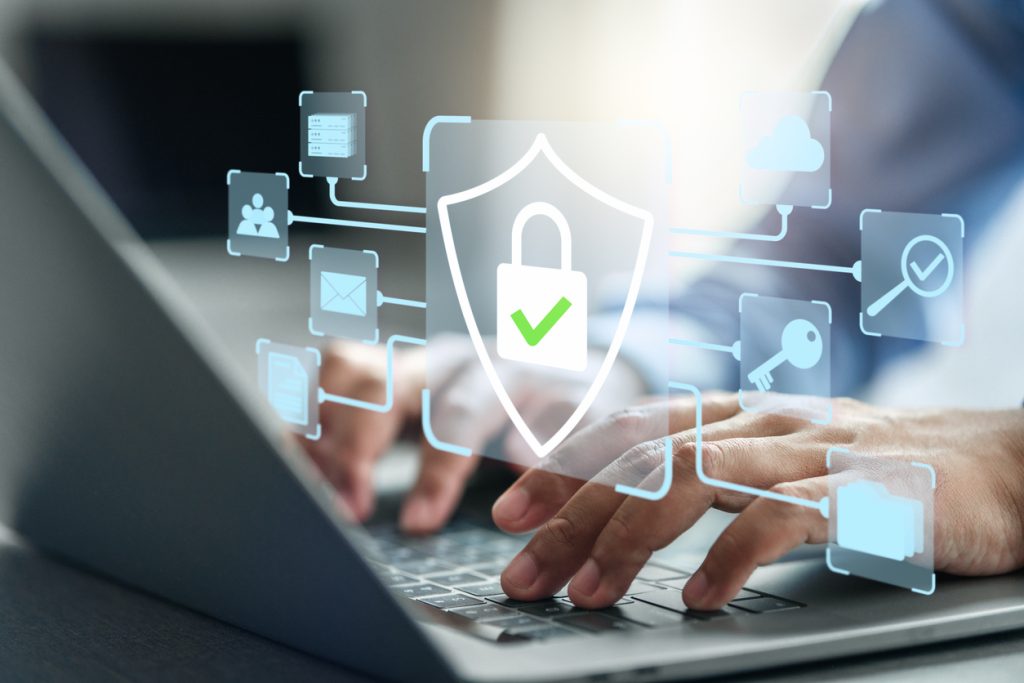
Family law practices handle some of the most sensitive information imaginable. Financial records, custody agreements, personal communications, and details about assets all flow through law offices daily. When marriages dissolve, emotions run high and stakes climb even higher. The last thing anyone needs during an already difficult process is a data breach that exposes private matters to the wrong people.
Yet many legal professionals still treat cybersecurity as an afterthought rather than a fundamental part of their practice. The assumption that small or mid-sized firms fly under the radar of cybercriminals no longer holds true. Attackers have shifted tactics, targeting law offices precisely because they store valuable data and often lack the robust security infrastructure of larger corporations.
The Growing Threat to Legal Practices
Divorce lawyers in Dayton Ohio and across the country face mounting pressure from multiple directions. Cybercriminals see law firms as attractive targets because client files contain everything needed for identity theft, financial fraud, or extortion. A single compromised email account can expose years of correspondence, court documents, and settlement negotiations.
Ransomware attacks on law firms have increased dramatically over the past few years. These attacks lock firms out of their own systems until a ransom gets paid, sometimes running into tens of thousands of dollars. Even worse, some attackers threaten to publish sensitive client information online if their demands aren't met. For family law practices, this creates an ethical nightmare and potential malpractice liability.
Phishing remains one of the most common entry points for attackers. An attorney or staff member receives what looks like a legitimate email from a court, client, or colleague. One click on a malicious link or attachment can install malware that spreads through the entire network. These schemes have become increasingly sophisticated, often mimicking real communications with remarkable accuracy.
What Client Data Really Needs Protection
The scope of sensitive information in divorce cases extends far beyond what most people realize. Bank statements, tax returns, property deeds, business valuations, and retirement account records all become part of the legal file. So do text messages, emails, and sometimes even social media activity when custody or infidelity issues arise.
Medical records enter the picture when health insurance or special needs children are involved. Employment information, credit reports, and documentation of debts paint a complete financial picture of both parties. Any of this data in the wrong hands could be used for harassment, stalking, financial fraud, or blackmail.
Some clients work in sensitive positions or industries where privacy carries professional consequences. Others may be leaving abusive relationships where an ex-spouse gaining access to their communications or new address could pose physical danger. Experienced family law practices in the region understand these stakes and build security measures accordingly.
Email Remains the Weakest Link
Most attorney client communication still happens through email, despite its inherent vulnerabilities. Standard email travels across the internet without encryption, meaning it can be intercepted and read by anyone with the technical skills and motivation. Many clients don't realize that sending sensitive documents through regular email is roughly equivalent to putting them on a postcard.
Law firms need encrypted email solutions that protect messages both in transit and at rest. This doesn't mean every single email requires military grade security, but communications containing confidential client information absolutely do. Setting up secure client portals where documents can be uploaded and downloaded safely provides another layer of protection.
The challenge is making these systems easy enough that clients actually use them. If the process feels too complicated, people will default back to regular email or text messages. Finding the balance between security and convenience takes thought and often some trial and error.
Password Hygiene and Access Control
Weak passwords continue to plague law offices despite years of warnings. Passwords like "Password123" or using the same password across multiple systems leave practices exposed. When one service gets breached and passwords leak, attackers try those same credentials everywhere else.
Strong passwords need length and complexity, but managing dozens of unique passwords becomes impossible without help. Password manager software solves this problem by generating and storing complex passwords for every account. Staff only need to remember one master password to access everything else securely.
Twofactor authentication adds another critical layer. Even if someone steals or guesses a password, they still can't access the account without the second verification step, typically a code sent to a phone or generated by an app. Every email account, case management system, and cloud storage service should require this extra step.
Access control means limiting who can see what information. Not every staff member needs access to every file. A receptionist handling scheduling doesn't need to open financial disclosure documents. Setting appropriate permission levels reduces the risk of both accidental exposure and internal threats.
The Cloud Security Question
Many divorce lawyers Dayton Ohio practices have moved to cloud-based case management and document storage systems. This shift offers real advantages like remote access, automatic backups, and reduced need for on-site servers. But it also means trusting third-party providers with client data.
Choosing cloud vendors requires due diligence. Providers should offer encryption, regular security audits, and clear policies about who can access data and under what circumstances. Reading the fine print matters because not all services provide the same level of protection.
Some attorneys worry about losing control when data lives in the cloud. The truth is that reputable cloud providers often have better security than what most small firms can implement on their own. The key is selecting providers that specialize in legal industry needs and understand the ethical obligations around client confidentiality.
Training Staff on Security Basics
Technology alone can't solve cybersecurity challenges. Staff awareness and training matter just as much. Everyone in the office needs to recognize phishing attempts, understand why security protocols exist, and know what to do if something seems wrong.
Creating a culture where people feel comfortable reporting potential security incidents without fear of blame encourages transparency. If someone clicks a suspicious link, the firm needs to know immediately so IT staff can check for compromise. Waiting out of embarrassment can turn a small problem into a major breach.
Physical Security Still Matters
Cybersecurity isn't just about digital threats. Unlocked offices, unattended computers, and documents left visible on desks all create vulnerabilities. Visitors to the office shouldn't be able to glance at computer screens showing client information.
Automatic screen locks that engage after a few minutes of inactivity prevent unauthorized access when someone steps away from their desk. Shredding documents before disposal ensures sensitive information doesn't end up in the wrong hands through the trash. These basic physical security measures complement digital protections.
Mobile devices present special challenges because they're easy to lose or steal. Laptops, tablets, and phones used for work should have full-disk encryption enabled so that a lost device doesn't automatically mean compromised data. Remote wipe capabilities allow the firm to erase a device if it can't be recovered.
Ethical and Legal Obligations
Attorney ethics rules require lawyers to protect client confidentiality and stay competent in technology relevant to their practice. This explicitly includes understanding cybersecurity risks and taking reasonable steps to prevent data breaches. Failing to implement basic security measures could constitute an ethics violation.
Data breach notification laws in Ohio require businesses to inform affected individuals when personal information gets compromised. For law firms, this means notifying clients if their data is exposed, a conversation no attorney wants to have. The reputational damage from a breach can be devastating, even if no disciplinary action results.
Building a Sustainable Security Plan
Experienced family law practices in the region recognize that cybersecurity isn't a one time project but an ongoing commitment. Threats change, technology evolves, and new vulnerabilities emerge constantly. An effective security plan adapts over time rather than remaining static.
Starting with a security assessment helps identify current weaknesses. This might involve hiring an outside consultant to test systems and review policies, or it could mean honestly evaluating practices against industry standards. Either way, knowing where gaps exist enables prioritizing improvements.
Not every security measure costs significant money. Many improvements involve changing habits, updating policies, or using free or low-cost tools more effectively. The practices that make the biggest difference often come down to consistency and attention to detail rather than expensive technology.
Moving Forward
The question for family law attorneys is no longer whether to invest in cybersecurity but how quickly they can implement stronger protections. Clients trust their lawyers with information they share with almost no one else. Honoring that trust means taking data security seriously and making it a core part of how the practice operates.
The good news is that even small improvements make a real difference. Law offices don't need to become cybersecurity experts overnight, but they do need to acknowledge the risks and take concrete steps to address them. For divorce lawyers Dayton Ohio serves, protecting client data is no longer optional. It's a professional responsibility that deserves the same care and attention as any other aspect of legal practice.