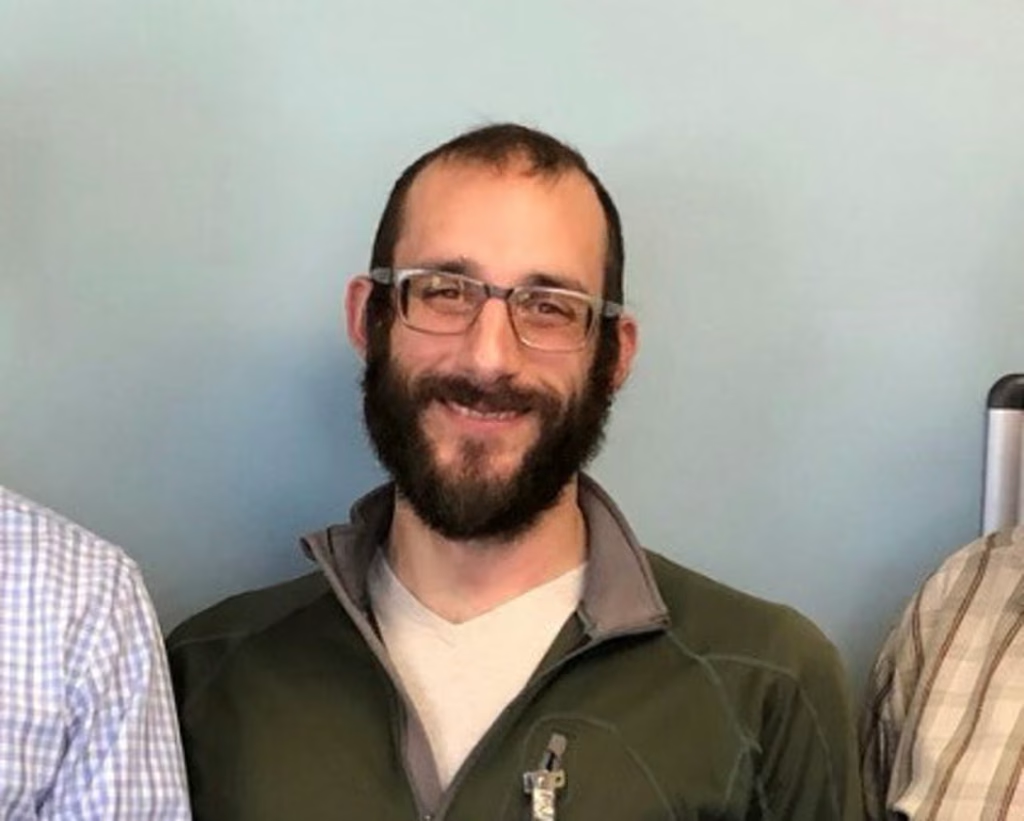
Who Was Alex Pretti? The ICU Nurse at the Centre of Minneapolis’ Latest Federal Shooting
The man killed by federal agents in Minneapolis on Saturday has now been identified as Alex Pretti, a 37-year-old intensive care nurse whose death has intensified scrutiny of the Trump administration’s immigration enforcement surge and the use of lethal force on American streets.
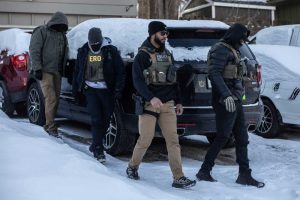
Pretti was shot during a chaotic encounter involving multiple federal agents near 26th Street and Nicollet Avenue in south Minneapolis. Video footage circulating online shows him being wrestled to the ground by several masked officers before gunfire erupts. Federal officials say he was armed and “violently resisted” efforts to disarm him — a claim that Minnesota state officials have publicly challenged after reviewing video evidence.
The killing marked the third shooting involving federal agents in Minneapolis this month, following the death of Renée Good earlier in January and another non-fatal incident days later.
A Career in Care
According to his parents and colleagues, Pretti worked as a registered nurse in the intensive care unit at the Minneapolis VA Health Care System. He attended nursing school at the University of Minnesota and had also assisted on scientific research projects earlier in his career.
Dimitri Drekonja, chief of infectious diseases at the VA hospital and a professor of medicine at the University of Minnesota, described Pretti as an “outstanding” nurse who was deeply committed to patient care.
“He wanted to help people,” Drekonja said, describing him as kind, hardworking, and quick with humour. “He was always asking what he could do to help.”
Pretti obtained his nursing licence in 2021, which remained active through 2026. Colleagues said he was respected for his work ethic and his willingness to step in when others needed support.
A Protester, Not a Suspect
Family members told the Associated Press that Pretti had been upset by the expanding federal immigration operations in Minneapolis and had participated in protests following the killing of Renée Good earlier this month.
“He cared about people deeply,” his father, Michael Pretti, said. “He felt that protesting was a way to express that care.”
Videos from the scene appear to show Pretti directing traffic, filming federal agents on his phone, and intervening when a legal observer was shoved to the ground. In one sequence, he is sprayed with a chemical agent before being tackled by officers. As at least five agents surround him on the ground, shots are fired at close range.
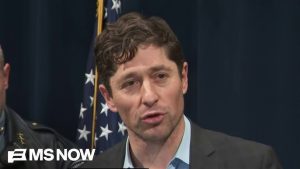
Minnesota police later said Pretti’s only known prior interactions with law enforcement involved traffic violations. Police Chief Brian O’Hara also stated that Pretti was a lawful gun owner with a permit to carry.
Conflicting Accounts and an Unsettled Investigation
The Department of Homeland Security has maintained that agents fired “defensive shots” after Pretti approached officers with a handgun and resisted disarmament. Border Patrol commander Gregory Bovino claimed the shooting prevented a potential “massacre” of law enforcement.
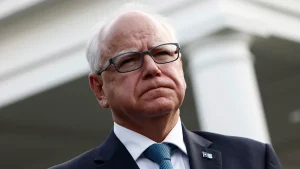
Minnesota Governor Tim Walz rejected that account after reviewing video footage, calling the federal narrative “nonsense” and “lies.” He said the federal government could not be trusted to investigate itself and insisted the state would conduct its own inquiry.
Minnesota’s Bureau of Criminal Apprehension has since said its investigators were initially blocked by DHS personnel from accessing the crime scene — a move that further inflamed tensions between state and federal authorities.
A Life That Has Reframed the Debate
Pretti’s death has reverberated far beyond Minneapolis. Protesters gathered within hours of the shooting, prompting the deployment of tear gas, flash bangs, and the mobilisation of the National Guard. Political leaders traded accusations, with President Donald Trump claiming local officials were inciting “insurrection” and Minnesota leaders accusing federal agents of sowing chaos.
For many in Minneapolis, the fact that Pretti was a healthcare worker — a professional devoted to saving lives — has sharpened the moral and legal questions surrounding the incident.
As investigations unfold, his killing has become emblematic of a broader national reckoning: not only over immigration enforcement, but over the boundaries of federal power, the credibility of official narratives, and the human cost of policies executed at speed and under force.
What remains undisputed is that Alex Pretti was not a faceless suspect. He was a nurse, a researcher, a son, and a man whose life and death now sit at the centre of one of the most volatile confrontations between federal authority and civilian oversight in recent US history.