Understand Your Rights. Solve Your Legal Problems


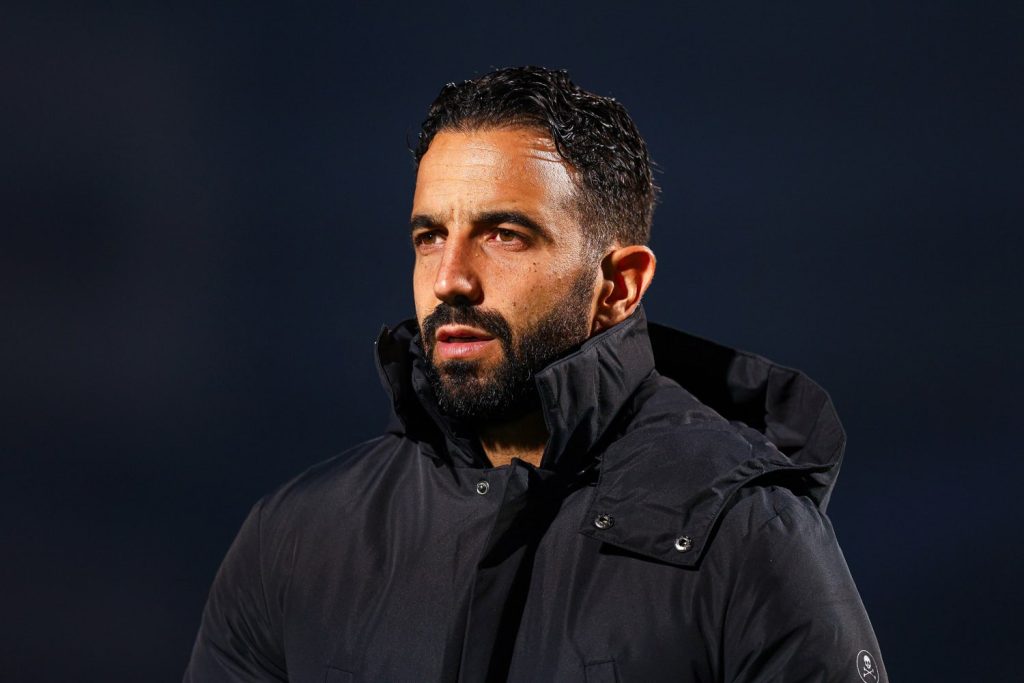
With Ruben Amorim now formally out of Manchester United, attention has shifted away from the decision itself and onto the consequences that still matter — how he is paid, how long United may be required to keep paying him, and what limits exist on his next job.
Manchester United confirmed earlier this week that Amorim’s tenure had ended, but the legal and financial effects of that move are ongoing and governed by contract law rather than footballing outcomes.
Ruben Amorim was appointed Manchester United head coach on 1 November 2024, signing a contract worth £6.5 million per year and due to run until June 2027.
That contract length is now central to what happens next. A managerial dismissal does not automatically end a club’s financial obligations. Instead, post-termination clauses — including notice, severance, and mitigation — determine how pay is handled once a coach leaves.
This places Amorim’s situation firmly within UK employment and contract law.
Manchester United have not disclosed the structure of Amorim’s exit, but Premier League managerial contracts typically follow a clear framework.
In most cases, a sacked manager remains entitled to salary for a defined notice period. Clubs often choose to meet that obligation through pay in lieu of notice, either by continuing monthly payments or agreeing a lump-sum settlement. Under UK law, those payments are treated as taxable employment income.
Unless a club alleges a contractual breach — which has not been suggested — it must honour the financial terms agreed at the time of appointment.
While individual tax arrangements vary, salary paid by a UK employer is generally subject to UK income tax and National Insurance.
Based on standard UK rates and assuming UK tax residency, a £6.5 million annual salary would broadly break down as follows:
Gross annual salary: £6,500,000
Estimated income tax (additional rate): ~£2.95 million
Estimated employee National Insurance: ~£190,000
Estimated net annual pay: ~£3.35 million
That equates to an estimated monthly take-home income of around £275,000 to £280,000.
These figures are illustrative, not a statement of what Amorim is currently receiving.
Whether Manchester United must keep paying Amorim depends heavily on the wording of his contract.
Most senior managerial agreements include mitigation clauses. If Amorim accepts another role — in Portugal, Italy, or elsewhere — United’s obligation to continue paying him may reduce or end altogether. In some cases, clubs are required only to top up earnings if a manager’s new salary is lower than the original contract.
Relocating outside the UK does not cancel contractual pay. However, tax treatment may change depending on residency status and applicable double-taxation agreements. In practice, these issues are usually resolved privately as part of a settlement.
A tribunal claim is possible but unlikely.
Such a case would arise only if Amorim alleged unlawful deduction of wages, breach of contract, or failure to follow agreed termination procedures. High-earning managers rarely pursue employment tribunals, as disputes are typically resolved confidentially under contract law and tribunal compensation structures are not designed for elite earners.
A court or tribunal becomes involved only if one party claims the contract has been breached.
On the pitch, the transition has continued under Michael Carrick. Manchester United beat Manchester City 2–0 at Old Trafford on Saturday, 17 January, easing immediate pressure as contractual matters with Amorim are addressed behind the scenes.
The result stabilised the football side of the transition, but it does not affect United’s legal obligations to their former head coach.
Until his contractual position with Manchester United is fully resolved, Amorim’s next move will be shaped by legal terms as much as footballing ambition.
For now, the key questions are no longer about why he was sacked — but how cleanly the separation is executed, how long payments continue, and when he is free to take his next role.
Exclusive: 👉 How much it would cost Tottenham to sack Thomas Frank as £90m loan puts pressure on Levy