UK Rejects Tariff-Linked Pressure Over Greenland as Legal Red Line Is Drawn
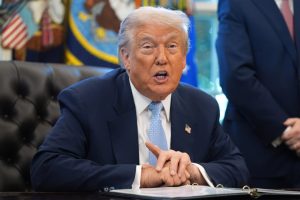
The UK government has formally rejected any attempt to link trade measures to the future status of Greenland, following the announcement by Donald Trump of proposed tariffs affecting several European states.
Speaking on behalf of the government, Lisa Nandy confirmed that the UK regards the legal position on Greenland as settled and not open to negotiation. The statement clarifies that the UK will not participate in discussions in which economic pressure is used as leverage to influence territorial or governance outcomes concerning Greenland.
While the dispute has been framed politically, the government’s position is rooted in established international legal principles rather than diplomatic preference.
Why Greenland’s Status Is Not a Negotiable Issue
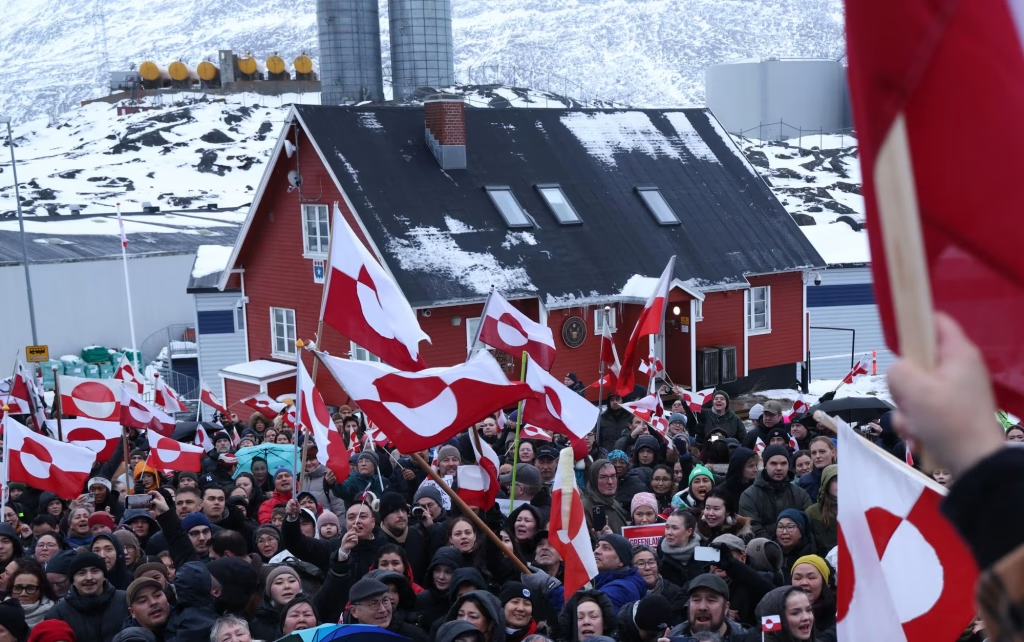
Greenland is an autonomous territory within the Kingdom of Denmark, with extensive self-governing powers. Any change to its constitutional position would require the consent of Greenland’s population and the Danish state.
From a legal perspective, third-party states have no authority to influence that process through economic or trade measures. The UK’s position reflects the principle of self-determination, which limits the ability of external actors to impose outcomes indirectly where direct legal authority does not exist.
By describing the issue as “non-negotiable”, the government is signalling that it will not treat trade discussions as an acceptable forum for resolving questions of territorial governance.
How Tariffs Operate — and Where Legal Limits Apply
Tariffs are imposed under domestic trade powers, but their use is not unlimited. While states retain discretion over trade policy, the application of tariffs for purposes unrelated to trade — particularly where they are used to compel political or territorial concessions — raises legal and treaty-based concerns.
In practice, tariffs of this nature increase import costs and create commercial pressure on targeted states. However, when deployed in connection with sovereignty or territorial demands, they risk breaching international trade commitments and undermining the legal distinction between economic regulation and coercive diplomacy.
The UK’s response makes clear that it views this distinction as legally significant.
What Happens Next in Legal and Diplomatic Terms
At present, the dispute remains at a pre-litigation stage. No formal trade challenge has been launched, and the UK has not indicated that retaliatory measures are imminent.
The next steps are likely to involve continued diplomatic engagement, including discussions through bilateral and multilateral channels. Coordination with European partners may also follow if the tariff proposals move closer to implementation.
US House Speaker Mike Johnson has indicated that diplomatic channels remain the preferred mechanism for addressing Greenland-related tensions, suggesting that formal trade disputes or legal proceedings are not yet the default outcome.
Legal Questions That Remain Open
Key issues remain unresolved, including whether the proposed tariffs will be formally enacted and whether they will be challenged under international trade frameworks if implemented. It is also unclear how far the US administration intends to push the linkage between trade measures and strategic or territorial interests.
What is now clear is the UK’s legal boundary. Trade negotiations will proceed on trade terms alone, and questions of Greenland’s future will remain governed by consent, autonomy, and established international law rather than economic leverage.