For many shoppers, the disruption didn’t arrive with a warning at checkout or a notice on the shelf. It arrived after the groceries were already home.
A federal recall tied to unsanitary conditions at a distribution facility has quietly pulled thousands of everyday products into uncertainty, forcing consumers to make decisions before any illness, investigation, or courtroom finding ever appears.
The trigger is a recall involving products distributed by Gold Star Distribution, Inc., after the U.S. Food and Drug Administration determined that the company’s Minneapolis facility was operating under insanitary conditions.
According to the agency, inspectors found evidence of rodent and bird waste, raising the possibility that products may have been exposed through contaminated surfaces or airborne particles.
That determination alone was enough to shift control immediately, without waiting for proof of harm in individual cases.
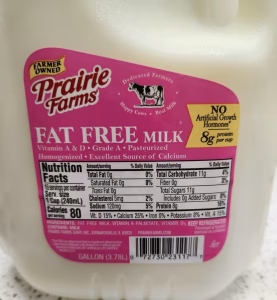
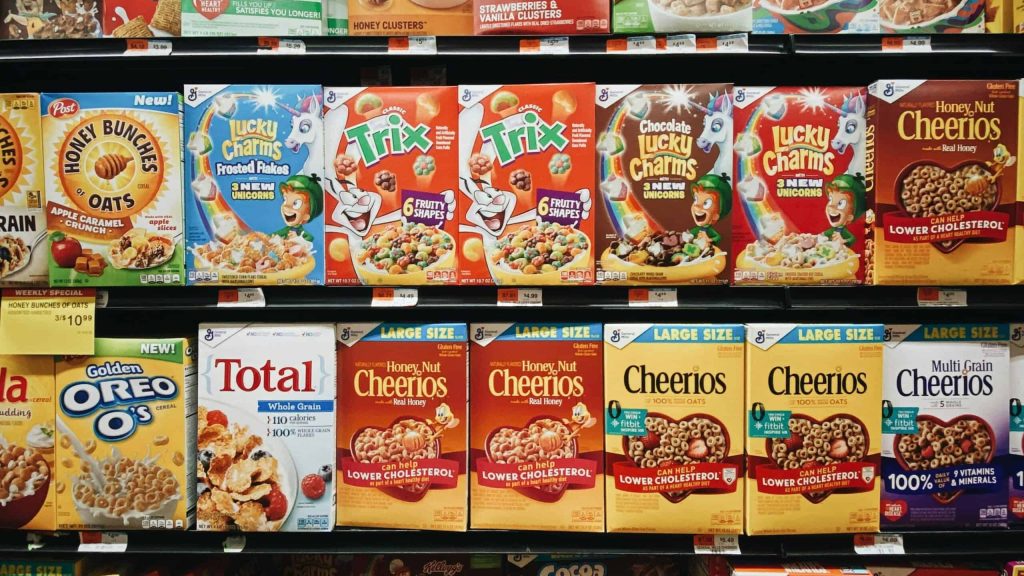
What makes the recall feel jarring is how familiar the affected items are. Snacks like Pringles, spreads such as Nutella, and breakfast staples including Cheerios appear on the list alongside drinks, pet food, cosmetics, and over-the-counter products.
The company’s guidance is direct: consumers should destroy the affected items. But for households, that instruction collides with everyday reality—sealed packaging, recent purchases, and the assumption that trusted brands are safe by default.
The pressure point here isn’t a lawsuit or a trial. It’s a regulatory classification. The FDA assigned the recall a Class II designation, meaning use of the products could cause temporary or medically reversible health effects, while serious consequences are considered unlikely.
Still, the designation doesn’t slow daily life. It accelerates it. Shoppers are left to decide what to throw away, what to replace, and what similar items might now feel questionable—all before any adjudication or follow-up finding.
What’s at stake right now is less about confirmed illness and more about trust in systems consumers rarely see. The issue isn’t how these products were manufactured, but what happened once they entered the distribution chain.
That procedural distinction matters because it widens the impact. Even sealed goods can be recalled if they’re believed to have passed through a compromised environment, turning back-end logistics into front-line consequences for ordinary households.
In practical terms, the effects are small but cumulative. People hesitate at checkout, scanning labels they once ignored. Parents rethink packed lunches. Pet owners debate whether unopened food is worth the risk.
There’s also the quiet cost—time spent checking UPC codes, replacing items that weren’t budgeted for, and absorbing the waste of throwing out products that may never have caused harm but now carry uncertainty.
This pattern isn’t unusual. Distribution-level recalls surface every year, often long after products have already dispersed widely. Because they rely on process rather than proof of injury, they tend to arrive fully formed.
By the time most consumers hear about them, the system has already decided that caution outweighs convenience, and the burden of that decision lands at kitchen counters and pantry shelves.
That creates a familiar tension. Consumers expect protection, but also consistency. Pulling thousands of products at once can feel excessive to some and overdue to others.
The debate lives in the space between trust and transparency—whether early intervention strengthens confidence in the food system or quietly erodes it by reminding people how little visibility they have into what happens after products leave the factory.
For now, there are no confirmed reports of widespread illness tied to these recalled items and no courtroom weighing of responsibility. What exists instead is a pause in certainty.
Items that were routine yesterday now require second thoughts, and the resolution doesn’t come with a verdict. It comes slowly, through replacement, silence, and the moment when shoppers stop checking labels and start trusting the shelf again—whenever that turns out to be.