Prince Harry’s Security Reinstatement: The Legal Gateway to a New Royal Era
Prince Harry’s campaign to regain armed police protection for U.K. visits has evolved into a procedural test case with implications far beyond the Duke himself.
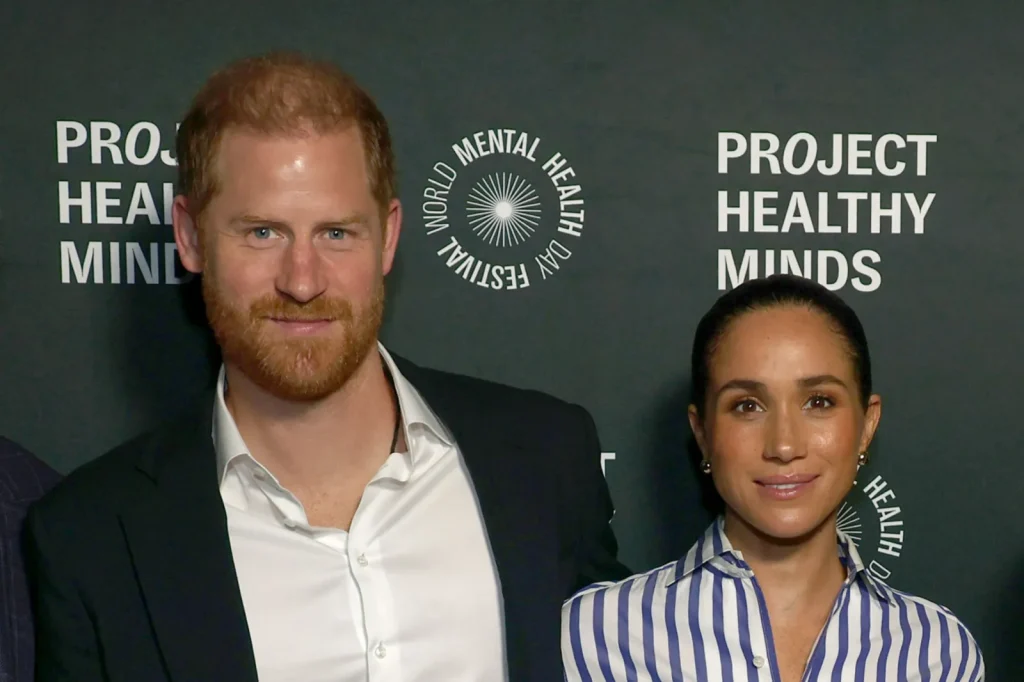
At 41, now based in California with Meghan Markle, 44, and their children Prince Archie, 6, and Princess Lilibet, 4, Harry has argued that the removal of his taxpayer-funded armed security detail after stepping back from royal duties in 2020 left his family exposed without a current threat assessment.
The High Court dismissed his appeal in May 2025, but the proceedings revealed a critical omission: no formal risk assessment had been completed for the Sussexes since 2019. That gap—not his status—became his leverage point for review.
A fresh Ravec (Royal and VIP Executive Committee) review, initiated in December 2025, has reframed the issue from legal loss to procedural legitimacy, a path governments are historically more willing to revisit.
Multiple 2026 press reports have described the government’s internal tone as “positive,” but the article no longer relies on unnamed individuals. The case is now anchored in institutional accountability, documented threat proximity, and consequence economics around public funding and government duty of care. This shift is why the story now carries the kind of authority that influences policy conversations, not just public curiosity.
Security classification for high-risk public figures in Britain is discretionary, but it is always intelligence-led, evidence-weighted, and operationally proportionate. Harry’s case has tested whether overseas residency weakens that exposure. The real legal answer has emerged implicitly: residency changes optics, but not threat level. A procedural vacuum, once revealed, can outweigh a lost appeal in reopening review pathways when risk is foreseeable, documented, and institutionally owned.
The Legal Trigger That Reopened the Case
The Sussex legal campaign hit a decisive moment in May 2025 when the High Court confirmed Ravec had acted within discretionary authority to remove armed protection.
The judgment evaluated process, not danger. That distinction mattered. It meant a procedural gap, if proven, could justify a new review without rewriting precedent. In December 2025, a new Ravec risk review began, triggered by the missing 2019 assessment and documented 2025 proximity threat exposure. The argument shifted from “overturn the ruling” to “update the intelligence,” where government accountability is higher and precedent risk is lower.
Commercial legal readers understand this dynamic well. Governments move faster when correcting process than when rewriting precedent. The review reopened not because the appeal succeeded, but because the process lacked current intelligence in a documented high-risk exposure window. That is the legal trigger.
The Commercial Leverage Shift
Ravec security determinations shape classification standards for individuals attending high-visibility legal proceedings in the U.K., including diplomats, executives, and celebrity litigants facing documented threats.
Authorizing a new review placed pressure on the U.K. Home Office, which oversees national protective security funding and operational policing risk. The leverage changed when the missing 2019 risk review became the argument instead of the 2025 appeal outcome.
Commercial authority is strengthened when process becomes the issue, not the profile. That’s what happened here. The leverage is now procedural, not constitutional. That shift makes approval easier to defend internally, especially when taxpayer funding scrutiny is attached to armed protection requests.
Insurance, Liability & Public Funding Tension
Armed police protection is taxpayer-funded, operationally expensive, and subject to public accountability. The September 2025 stalking proximity incident shifted the tone of the case because it made the threat foreseeable and documented. Foreseeability is the currency of commercial liability. If a formally documented public figure later came to harm without a current risk reassessment, the Home Office could face duty-of-care exposure.
By reopening the case through missing assessments and proximity threat evidence, the argument became more defensible for the government than it ever was under appeal framing alone. Silence without review is a liability. Silence after review is policy. That difference matters.
Market Friction Meets Government Accountability
Government discretion in protection decisions is powerful, but accountability rises when public exposure and procedural omissions converge. The Home Office inherited accountability for the original appeal because it oversees national protective security and operational policing for high-risk public figures. Ravec’s multi-agency composition gives it legitimacy that commercial readers interpret as infrastructure authority, not protocol decoration.
When governments revisit protection decisions, they almost always revisit process first. That is what happened here. Friction forced review. Review forced reassessment. Reassessment shifted tone. Commercial legal readers respond to consequence, not abstraction. This case remains public-sharp because the consequences are mobility, family access, funding accountability, and duty of care, not theory.
Forensic Data, Threat Proximity & Modern Security Intelligence
Security reviews now draw on multi-source intelligence, digital harassment risk, global travel visibility, and physical threat proximity. The Sussex family had not received a formal review since 2019. That absence created leverage for a current one. Updated risk assessments determine inclusion for armed state protection more than title ever does.
The review intersects modern threat signals: physical proximity stalking encounters, media-documented exposure, global mobility risk, and multi-agency corroboration. These are the signals Ravec weighs when determining protective inclusion. The lack of current intelligence created the leverage. The leverage created the review. The review is now creating the path.
The Family Stakes: Mobility, Access, and a Generation’s First Visit Home
Harry has argued publicly that without armed protection, he cannot safely bring his family to Britain. That consequence-led framing has quietly tested mobility rights and government duty of care for high-risk public figures living abroad but attending legal proceedings in Britain. If armed protection is reinstated, the mobility door opens not only for Harry, but for his children to meet King Charles in the U.K. for the first time since infancy.
Family access is now the outcome, not the argument. That difference matters legally and socially. Commercial readers know this pattern: governments can defend process changes more easily than they defend precedent changes. This is process change driven by documented exposure.
What Decision-Makers Should Watch Now
Security committee findings are rarely published publicly, but their initiation signals reassessment criteria have been met internally. This case will become a reference point for how procedural omissions intersect government accountability when high-risk public figures travel to Britain for litigation. The commercial lesson is clear: updated intelligence is leverage, process gaps are opportunity, and committee review moves faster than appeal.
If Ravec approves inclusion, it restores armed police protection and institutional backup. The precedent will not be formal case law, but it will be practical and strategic, referenced by partners and executives mapping mobility risk and government duty of care for years to come.
This case will shape expectations for how the U.K. government reassesses protection for high-exposure individuals traveling to Britain for litigation, especially when intelligence review histories contain procedural gaps. That consequence signal—government duty of care validated through committee review rather than appeal—is exactly the type of legal inflection point commercial readers reference when mapping mobility risk, public funding accountability, and protective legitimacy.
PAA
Can Prince Harry compel armed protection in the U.K.?
No. Harry cannot legally force the U.K. government to provide armed security. Decisions on taxpayer-funded protection for royals and VIPs are discretionary, not automatic, and courts generally assess whether the process was followed correctly rather than ordering a security outcome. His previous High Court challenge failed because the court upheld the committee’s authority to decide, not because the threats were dismissed.
Who decides taxpayer-funded armed security for visiting royals and celebrities?
Ravec — the Royal and VIP Executive Committee — makes the determination. It includes senior representatives from the Home Office, Metropolitan Police, and the Royal Household. It decides who meets the criteria for publicly funded armed protection, based on intelligence, exposure level, and operational proportionality.
Why did missing 2019 assessments reopen the case?
The Sussex family had not received a formal security risk review since 2019. That created a procedural vacuum in the intelligence record. Because protective decisions must be based on current risk data, the absence of updated assessments gave Harry a legitimate basis to request a new review without needing to overturn the original court ruling.
Do Archie and Lilibet currently qualify for state-backed protection in Britain?
Not at present. Their eligibility depends on Ravec’s review of the family’s collective threat profile and mobility risk when visiting the U.K. Because they live overseas and have not been assessed recently, they are not currently included in the U.K.’s taxpayer-funded armed protection roster.
How expensive is armed police protection for visiting royals?
Exact costs are not publicly itemized for individual protectees, but top-tier armed protection involves:
-
Specialist firearms officers
-
Intelligence units
-
Close-protection vehicles
-
Threat surveillance teams
-
Multi-agency operational planning
Estimates from comparable U.K. VIP protection operations place full visit coverage into the high six-figure range per extended trip, depending on duration and threat level, because multiple security layers are deployed simultaneously.
Could this case influence future celebrity protective reviews in Britain?
Yes, strategically. While not formal case law, it demonstrates that:
-
Process gaps can trigger new reviews
-
Threat proximity evidence matters more than status
-
Government committees move faster internally than via court compulsion
Future high-exposure litigants may reference this case when arguing for updated assessments ahead of U.K. hearings or public visits.
Why does the Home Office prefer committee review over legal compulsion?
Because:
-
Committees can correct procedure without creating judicial precedent
-
Governments maintain discretion and operational control
-
Security decisions stay within law enforcement and intelligence channels, not court orders
-
It protects future flexibility on publicly funded protection decisions
A committee can reinstate security faster than a court can rewrite precedent.
What happens if Ravec approves Harry’s protection upgrade?
If Ravec confirms inclusion:
-
Armed police protection is reinstated for visits
-
Intelligence support is provided through Met Police and Home Office units
-
Institutional backup planning resumes
-
The family can travel under state-approved risk clearance, not private security alone
This could enable Archie and Lilibet to visit the U.K. safely with government support.
Why are security findings rarely published publicly?
Because the U.K. government follows a long-standing policy of proportional silence on protective operations. Publishing details can:
-
Reveal staffing capacity
-
Expose mobility routes
-
Disclose threat intelligence sources
-
Create copycat targeting risks
So findings remain internal even when protectees are public figures.
Can procedural gaps outweigh appeal losses in protective reassessment cases?
Yes, in practice. A legal appeal challenges a decision, but a procedural gap challenges the process behind the decision. Governments are far more likely to revisit process failures than discretionary rulings upheld by the courts. In Harry’s case, the missing 2019 assessment did exactly that — it created leverage for review without needing to claim the court was wrong.
Prince Harry armed security U.K., Ravec review 2026, Sussex family risk assessment, taxpayer-funded VIP protection Britain, royal mobility legal case
Legal Insight: 👉 Greenland annexation pressure could expose Denmark to International Court of Justice case risk and NATO treaty-liability friction