Prince Harry, Big Law Billions and Supreme Court Risk: What Senior Lawyers Are Watching This Week
By Lawyer Monthly | Week of Jan 19, 2026
From royal litigation in London to multibillion-dollar liability questions before the US Supreme Court, the legal profession enters the week facing a convergence of risk, power and accountability. For law firm leaders, general counsel and risk teams, these are the developments shaping what comes next.
Supreme Courts Move Closer to Decisions With Enormous Financial Consequences
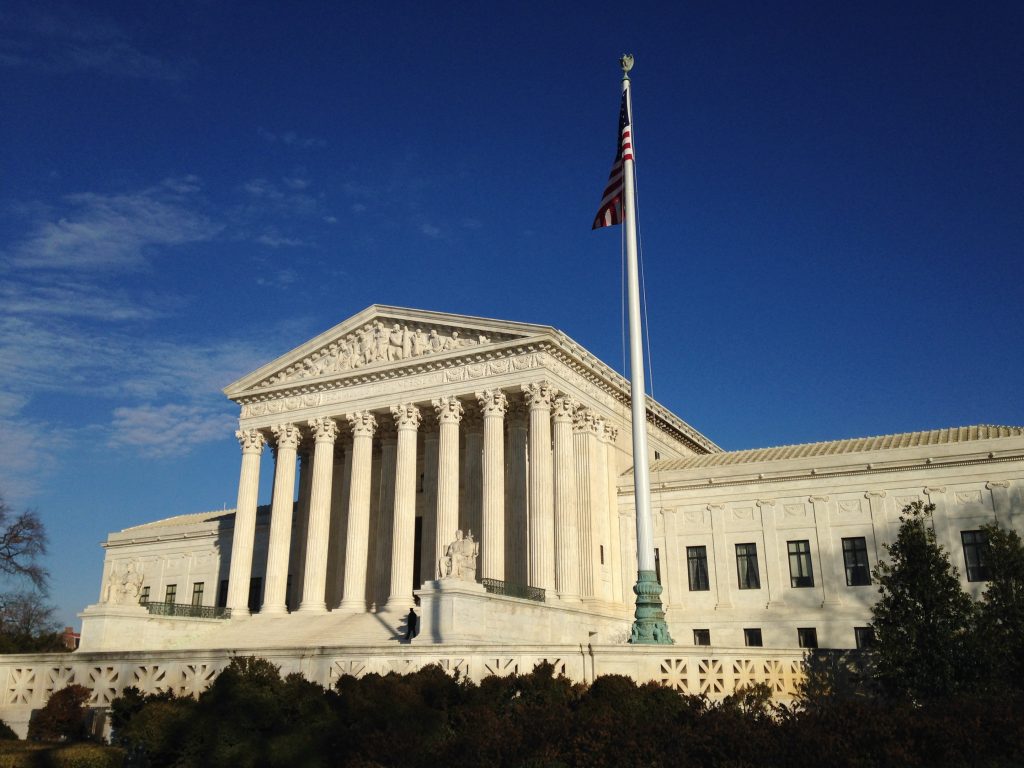
In Washington, the Supreme Court of the United States, under Chief Justice John Roberts, is preparing to issue or hear decisions that could materially reshape executive authority, trade powers and mass-tort exposure.
One of the most closely watched matters involves Monsanto and ongoing Roundup litigation. The company has already paid more than $10 billion in settlements and verdicts, with tens of thousands of claims historically in play. Any shift in liability standards would reverberate across pharmaceuticals, chemicals, insurers and litigation funders.
In the UK, the Supreme Court of the United Kingdom is entering a transitional phase following confirmation that its president, Robert Reed, will step down in 2027 — a change expected to influence the court’s long-term constitutional tone.
Big Law Revenues Remain Strong — but the Scrutiny Is Rising
Elite firms continue to post extraordinary numbers. US leaders including Kirkland & Ellis, which exceeded $6 billion in annual revenue, remain locked in a competitive spiral of lateral hiring, partner pay and client concentration.
At the same time, regulators and policymakers are paying closer attention to how the profession generates profit. In the UK, discussions around redirecting interest earned on pooled client accounts — potentially worth hundreds of millions of pounds annually — toward funding the justice system have unsettled managing partners, particularly at volume-driven firms.
The direction of travel is clear: profitability remains high, but tolerance for opacity is shrinking.
Prince Harry’s Case Keeps Media Law — and Litigation Strategy — in the Spotlight
Media and privacy law continue to dominate headlines as Prince Harry advances litigation against Associated Newspapers, publisher of the Daily Mail.
Beyond the personalities, the case is being watched for what it may signal about evidence-gathering, litigation tactics and the future boundary between public-interest journalism and unlawful intrusion. Legal costs and potential damages are widely expected to reach tens of millions of pounds, with consequences extending well beyond Fleet Street.
AI Moves From Efficiency Tool to Professional Risk
Courts are increasingly confronting the consequences of artificial intelligence inside legal practice.
The California Supreme Court has ordered a review of potential sanctions in a case involving alleged reliance on AI-generated material containing factual inaccuracies. The development has sharpened judicial expectations around competence, verification and disclosure.
For firms rolling out generative AI at scale, the message is becoming unavoidable: efficiency gains now come with regulatory and reputational exposure.
Cyber and Fiduciary Risk Converge for Law Firms
Cyber risk is no longer hypothetical — and not always the result of external hackers.
In Maryland, a recent criminal case involving a former attorney exposed how losses exceeding $4 million, including transactions involving cryptocurrency held in escrow, can create regulatory, insurance and reputational fallout even without a traditional cyber breach.
For senior lawyers, the episode has focused attention on whether existing professional indemnity cover, cyber insurance and internal controls are sufficient for matters involving digital assets. Insurers are already reassessing premiums, exclusions and reporting requirements across the sector.
Civil Rights, Protest Policing and Judicial Oversight
US federal courts continue to scrutinise law-enforcement conduct during protests, including limits on arrests and the use of force in cases involving immigration enforcement.
These rulings suggest a judiciary increasingly willing to intervene in civil-liberties disputes — a trend with implications for public authorities, government litigators and insurers alike.
Governance Battles Inside the Legal Profession
Finally, the profession itself remains in flux. Moves by parts of the American Bar Association to assert greater autonomy have reopened debates about who controls accreditation, regulation and professional standards.
While technical on the surface, these governance struggles may shape legal education, entry pathways and regulatory oversight for years to come.
What to Watch Next
In the weeks ahead, senior lawyers should expect:
-
Supreme Court decisions reshaping mass-tort and trade exposure
-
Growing judicial intolerance for ungoverned AI use
-
Rising insurance pressure around cyber and escrow risk
-
Continued scrutiny of Big Law economics and transparency
The risks are becoming clearer — and harder to ignore.