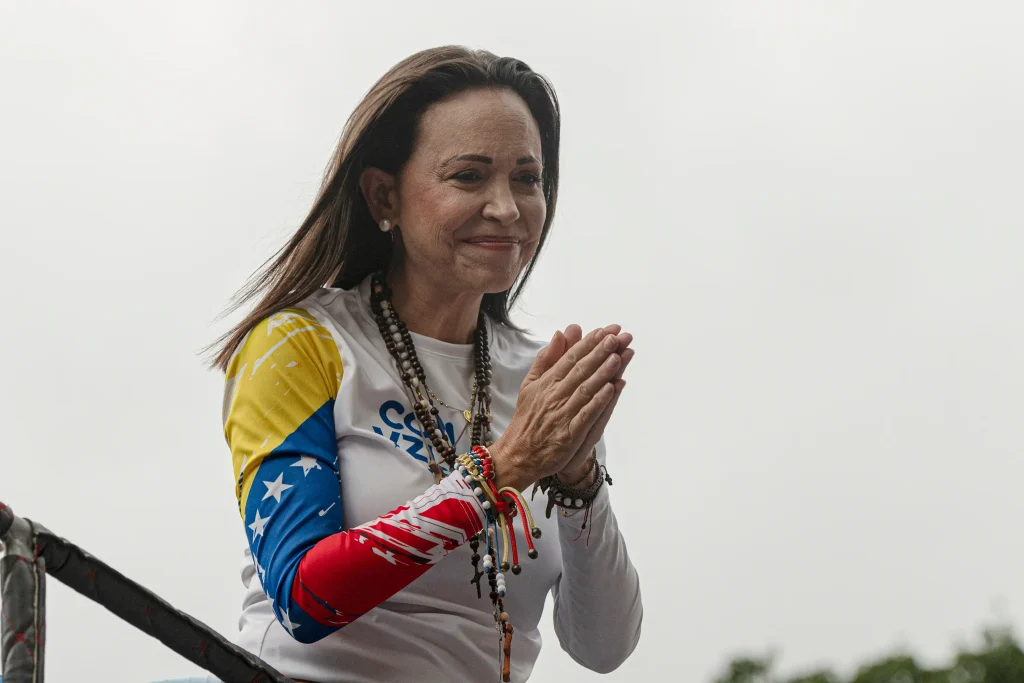
The Nobel Gifting Scandal: Machado’s Gambit and the Oslo Rebuke
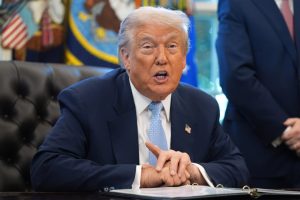
In a move that has unsettled diplomats from Washington to Oslo, Venezuelan opposition leader María Corina Machado has taken the extraordinary step of presenting her 2025 Nobel Peace Prize medal to Donald Trump during a White House visit. The gesture—staged in the Oval Office and framed as an act of political gratitude—has ignited an unexpected legal and institutional backlash.
This was not symbolism alone. It was leverage.
By physically transferring the 18-carat gold medal, Machado did not merely test protocol. She challenged the boundary between honor and ownership—and, in doing so, forced the Nobel Committee to draw it publicly.
The “Inseparable Laureate” Rule
The Norwegian Nobel Committee responded within days. In a sharply worded clarification released January 16, 2026, the Committee reaffirmed what it called a foundational principle: the Nobel Prize and the laureate are inseparable. The statement left no room for interpretation. While the medal is a tangible object that may change hands, the status of laureate does not.
Under the Statutes of the Nobel Foundation, a prize—once announced—cannot be revoked, reassigned, or shared. The decision is final “for all time.” Machado’s gesture therefore created a paradox the Committee was eager to contain: Trump may possess the gold, but he does not possess the prize.
History, they made clear, remains in Oslo.
A Diplomatic Asset, Not a Trophy
Machado’s defense is deliberately historical rather than legal. She has likened her move to the Marquis de Lafayette gifting a George Washington medal to Simón Bolívar in the early nineteenth century—a symbolic act meant to transfer revolutionary legitimacy, not formal honor.
Calling Trump the “heir of Washington” is not accidental rhetoric. It reframes the Nobel not as a personal accolade but as a diplomatic instrument, one she is willing to spend. The timing matters. Trump had recently signaled openness to engaging with figures tied to Nicolás Maduro’s government, including Delcy Rodríguez. Machado needed to reassert relevance. Quickly.
This was the currency she had.
Professor Geir Ulfstein, a Norwegian international law expert at the University of Oslo, has argued in a 2020 commentary on Nobel governance that the Committee has historically tolerated symbolic gestures by laureates—but only so long as they do not imply institutional endorsement or transfer. Machado’s move presses directly against that boundary.
And that may be the point.
The White House Problem: Gold and the Constitution
The episode also creates an awkward constitutional question for the White House. Trump celebrated the gift publicly, but the legal status of the medal itself is less settled.
A 2009 Department of Justice opinion concluded that the Emoluments Clause does not apply to the Nobel Peace Prize, since the Norwegian Nobel Committee is not a foreign state. That precedent addressed receipt of a prize—not the acceptance of a politically motivated gift from a foreign opposition leader.
Here, context matters. Machado is not a private citizen. She is a central political figure in a foreign democratic movement. The medal is not symbolic parchment; it is a valuable physical asset. According to a White House official, it is now displayed—framed in gold—in the Oval Office.
That distinction could matter later. Or it might not. Sometimes politics outruns doctrine.
Refusal, Renunciation, and the Machado Anomaly
The Nobel Committee has dealt with controversy before. It has never dealt with this.
Le Duc Tho rejected the Peace Prize in 1973 on the grounds that peace had not been achieved in Vietnam. Jean-Paul Sartre declined his Literature Prize to avoid institutional recognition altogether. Boris Pasternak, under Soviet pressure, renounced his prize only for the Committee to reaffirm his status decades later.
None of them attempted to transfer the honor.
Machado accepted the prize, leveraged its legitimacy, and then attempted to bestow its symbolic weight on a sitting U.S. president. The official record remains unchanged, but the physical artifact has crossed a line no laureate has crossed before. This is new territory.
History vs. Optics
The Nobel Institute has been unequivocal: the 2025 Peace Prize remains Machado’s alone in the historical record. No amount of ceremony or framing alters that fact.
But politics does not run on statutes alone. For a president who has openly coveted the prize for years, the visual alone is powerful. The medal exists. It gleams. Cameras linger.
Machado has exchanged permanence for access. Whether she has secured her movement’s future—or merely cheapened the Nobel’s symbolic authority—is a question that will linger well beyond 2026.
Gold travels easily. History does not.