The “Oddball” Millionaire: Farage’s £384,000 Breach Is a Masterclass in Elitism
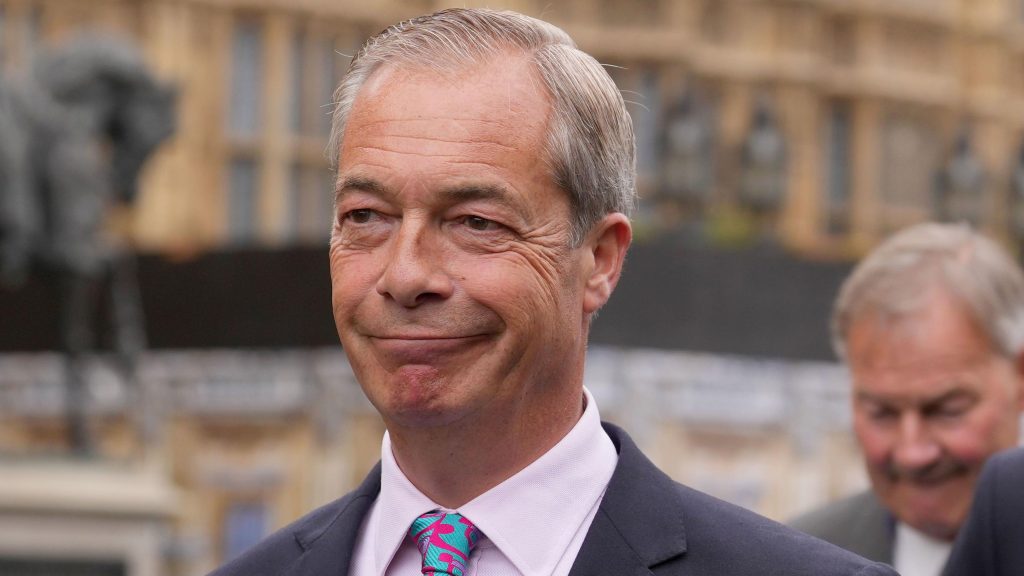
Nigel Farage has once again demonstrated how flexible the rules can become when power, money, and celebrity collide. While millions of households grapple with rising bills, stagnant wages, and relentless scrutiny from the state, the Reform UK leader “accidentally” failed to declare £384,000 in additional income — not once, but seventeen separate times.
The Parliamentary Commissioner for Standards examined the breaches and decided against sanctions. Farage’s explanation? He is an “oddball” who “doesn’t do computers,” and the failures were the result of administrative confusion during a period of rapid change.
The outcome sends a familiar message: some people operate by different rules.
One Law for Him, Another for You
The Parliamentary Commissioner for Standards, Daniel Greenberg, described the decision as “finely balanced.” In plain English, that means the system hesitated — and then blinked.
Farage missed 17 registration deadlines, some by as much as 120 days. The rules are not ambiguous. MPs are required to register any change in financial interests within 28 days. That obligation exists to ensure transparency and prevent conflicts of interest.
For most people, missing a financial deadline by four months is not treated as a harmless oversight. HMRC does not offer indulgent language about “growing pains” or confusion. Penalties arrive swiftly. Investigations follow. Excuses are rarely entertained.
Yet in this case, nearly £400,000 went undeclared, including £91,200 from a gold dealer and substantial payments from GB News, without consequence.
The Defence That Only Works at the Top
Supporters argue this was merely an administrative error — the by-product of a new political operation scaling too fast, with overstretched staff and imperfect systems.
But that explanation raises an obvious question:
How many missed deadlines does it take before “accidental” becomes “intentional”?
Seventeen is not a clerical slip. It is a pattern.
And it invites another, more uncomfortable question:
Would HMRC accept this explanation from you?
For ordinary taxpayers, ignorance is not a defence. Being busy is not a defence. Delegating responsibility to staff is not a defence. The standard applied here appears to be one reserved for a very narrow class of people.
A Career Built on “Administrative Errors”
This episode does not exist in isolation. Farage’s political career is littered with similar explanations — mistakes, misunderstandings, oversights, someone else’s fault.
In 2018, the European Parliament docked half his salary to recover €40,000 in misused funds after it emerged that an assistant paid with public money was working on party business. Farage said it was a misunderstanding.
In 2019, he faced a “serious breach” investigation over £450,000 in gifts from Arron Banks. Once again, the defence centred on technicalities rather than responsibility.
Each time, the language is familiar. Each time, the consequences are limited or nonexistent.
The Consequences That Never Come
Compare this outcome with how Parliament has treated others:
-
Keith Vaz (Labour) was suspended for six months over a conflict of interest.
-
Owen Paterson (Conservative) resigned after a 30-day suspension for illegal lobbying.
-
Scott Benton (Independent) was forced out after suggesting he was “for sale” to reporters.
In Farage’s case, 17 breaches involving sums larger than most people earn in a decade resulted in zero sanctions.
The explanation rests on “severe growing pains” and failures by a “senior member of staff.” Most people would call that a system failing at its most basic task. Farage calls it a reason to escape accountability.
The Cash-to-Vote Pipeline
While Nigel Farage continues to accumulate vast personal income streams, his parliamentary record raises uncomfortable questions about priorities.
Since his election, Farage has repeatedly voted against budget measures and infrastructure planning initiatives that would directly affect working-class communities — the very people he claims to champion. Housing investment, regional development, long-term public spending: these are not areas where his voting record shows urgency or consistency.
Instead, much of his time is spent outside Parliament, flying to the United States for lucrative speaking engagements and media appearances. These engagements reportedly pay more for a single appearance than many workers earn in a year.
Farage insists he claims “zero personal expenses.” But when you are reportedly earning around £97,000 a month from GB News alone, the concept of expenses becomes almost irrelevant. The safety net most MPs rely on is unnecessary when media contracts and overseas speeches are doing the heavy lifting.
This is where the hypocrisy bites. The rhetoric is anti-elite, anti-establishment, anti-privilege. The reality looks increasingly like a pipeline where political outrage is converted into personal profit — while the constituencies he represents see little measurable return.
And it leaves voters with a question that no expense form can answer:
If the money is flowing this freely, who is the job really working for?
What This Really Says About Power
This is not just about one politician or one set of forms. It is about how accountability bends when influence enters the room.
Farage presents himself as an outsider, a tribune of the people, a scourge of elites. Yet when the rules apply to him, he is treated not as an insurgent, but as an exception. The protections of the establishment close ranks around him just as they do for those he claims to oppose.
He may insist his focus is on representing Clacton. Critics argue the evidence points elsewhere — toward monetising political relevance, expanding a personal brand, and operating in a space where consequences rarely land.
What is no longer in doubt is this:
the system that polices everyone else chose not to police him.
And that is precisely why people are angry.