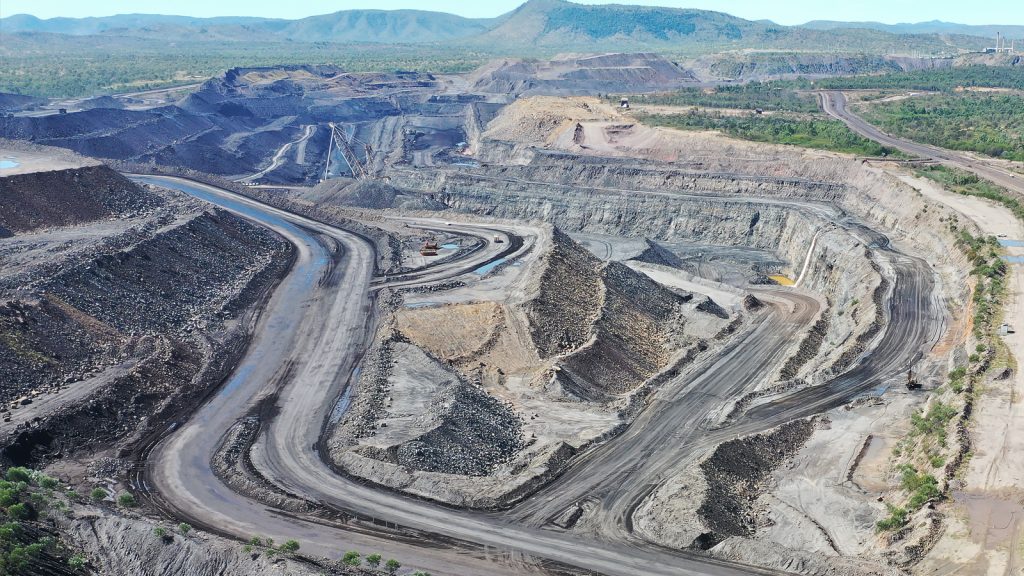
Glencore-Rio Tinto Merger 2026: ACCC Block Risk & Strategic Audit
The potential merger between Glencore and Rio Tinto represents an unprecedented consolidation of critical mineral supply chains.
This transaction moves beyond traditional M&A into the realm of sovereign resource security and global statecraft. Partners must recognize the immediate funding risk associated with such a massive capital concentration in volatile jurisdictions.
The commercial catalyst is a structural copper deficit projected to reach systemic levels by the end of 2026.
This shortage is no longer a mere market fluctuation but a regulatory and national security trigger. Western governments are now treating copper as a strategic asset equivalent to enriched uranium or advanced semiconductors.
Institutional exposure is heightened by Glencore’s historical reliance on high-yield, high-risk assets in Central Africa and South America.
Rio Tinto’s attempt to absorb these operations creates a massive compliance surface for any participating lending syndicate. Senior partners must evaluate the risk of an asset freeze should jurisdictional tensions escalate between the West and China.
Strategic Capital Concentration and the Regulatory Veto
A merger of this scale creates a single point of failure for the global energy transition. Regulators in Australia and the United Kingdom are signal-testing new public benefit mandates that supersede shareholder returns. The primary risk to capital is a prolonged, multi-year regulatory deadlock that traps billions in stagnant escrow.
The ACCC’s 2026 mandatory notification regime represents a sharp departure from the previous voluntary, informal merger review process. Under these rules, the burden of proof shifts entirely to the merging entities to justify market dominance.
Failure to secure early clearance could trigger reverse break fees that threaten the liquidity of the acquiring firm.
Credit rating agencies are already monitoring the debt-to-equity ratios required to fund a $260bn enterprise of this nature. Any downgrade to Rio Tinto’s investment-grade status would immediately increase the cost of capital for all existing infrastructure projects.
This creates a secondary risk to the long-term solvency of the combined entity’s dividend policy.
Wealth protection for minority shareholders is also at risk during the protracted Put Up or Shut Up period. Volatility in copper prices during the negotiation phase could lead to massive margin calls for leveraged institutional holders.
Managing partners must advise clients on the potential for a valuation trap if the deal fails to materialize.
Institutional wealth management offices are currently modeling the impact of a total sector consolidation on their portfolio diversification. If the "Big Two" become the "Big One," the lack of price discovery in the copper market could lead to artificial volatility.
This shift forces a total rethink of how commodity-linked derivatives are hedged within private wealth structures.
The strategic friction here is the collision between free-market capitalism and the new era of resource protectionism. Firms that treat this as a standard merger will overlook the state-level interventions that are now baked into the 2026 statutory framework.
The legal anchor for this analysis remains the tension between corporate efficiency and national mineral sovereignty.
Capital Accountability and the 2026 Resource Mandate
The friction between Glencore’s carbon-heavy legacy and Rio Tinto’s green pivot creates a unique strategic irony for global investors.
While the merger secures copper, it also forces Rio Tinto to internalize Glencore’s coal-related litigation and environmental liabilities. This internal tension will dominate board meetings and shareholder derivative actions for the next decade.
Institutional liability now extends to the fiduciary duty of climate competence for every director involved in the merger. Failure to articulate a clear divestment strategy for thermal coal assets could lead to immediate divestment by ESG-mandated pension funds.
This would create a massive sell-side pressure that counteracts any perceived synergy gains from the merger.
The 2026 reality is a world where mining companies function as quasi-state actors with significant geopolitical responsibilities and risks. Decisions made in London or Perth now have direct consequences for the national security of the United States and its allies.
This shift requires a total recalibration of how insurance markets price political risk and expropriation coverage.
Insurance and Wealth Protection Architecture
Insurance markets are unprepared for the scale of Director and Officer (D&O) coverage required for a $260bn mining titan. Premiums for mining executives are expected to rise by 40% as underwriters factor in the risk of climate-related lawsuits.
This creates a direct hit to the bottom line that must be accounted for in the initial valuation.
Wealth protection for family offices with significant mining exposure depends on a successful navigation of the Australian Public Benefit test.
If the ACCC determines the merger harms local manufacturing, it may demand significant asset disposals at fire-sale prices. Such forced divestments represent a direct destruction of shareholder value that is often uninsurable under standard policies.
Outcome Matrix: The 2026 Mining Shift<
| Former Status Quo | Strategic Trigger | 2026 Reality |
|---|---|---|
| Voluntary merger notifications and market-led commodity pricing. | Systemic copper shortage combined with the ACCC 2026 Mandatory Regime. | State-sanctioned mining monopolies subject to national security vetoes. |
| Coal as a high-margin legacy asset with manageable litigation risk. | Global Net Zero mandates and aggressive shareholder derivative actions. | Coal as a toxic asset requiring immediate, high-discount divestment. |
| Decentralized supply chains with multiple mid-tier copper producers. | $260bn consolidation creating a single point of failure for energy tech. | Sovereign intervention in mineral pricing and export control mandates. |
Professional indemnity insurers for law firms advising on this deal are also facing unprecedented exposure to malpractice claims. Given the complexity of the new 2026 regulations, even minor procedural errors could result in billion-dollar busted deal litigation.
Firms must ensure their own risk management protocols are as robust as the deal structure itself.
Directors must also consider the insurance implications of Glencore's trading arm, which operates in jurisdictions with high corruption indices.
The combined entity's anti-money laundering (AML) and anti-bribery compliance costs will likely double upon integration. This is not a "soft cost" but a hard liability that impacts the feasibility of the $260bn valuation.
The strategic tension in Phase B lies in the "uninsurable" nature of geopolitical shifts. When a state decides to re-nationalize a copper mine, traditional D&O policies rarely provide full restitution.
This forces the board to adopt a more aggressive diplomatic role, further blurring the line between corporate leadership and statecraft.
The Insurance Paradox and Multi-Generational Wealth
The merger creates a "too big to insure" problem for the global captive insurance market and traditional commercial underwriters. Lloyd’s of London syndicates are already expressing concern over the concentration of tail-risk in a single corporate entity.
This lack of adequate risk transfer mechanisms forces the company to maintain massive, unproductive cash reserves for self-insurance.
Family offices and ultra-high-net-worth individuals are currently re-evaluating their portfolios to avoid resource imperialism blowback in the Global South.
As the Glencore-Rio entity expands its footprint, it becomes a high-profile target for populist nationalization movements in emerging markets. This second-order risk threatens the stability of multi-generational wealth tied to long-term mining royalties and dividends.
The ripple effect on global credit markets cannot be overstated as the mining sector consumes a larger share of available liquidity. Major banks like JPMorgan Chase and HSBC may be forced to limit exposure to other sectors to accommodate the merger’s financing.
This creates a credit squeeze for mid-tier developers who are essential for maintaining a diverse and resilient mineral supply chain.
Regulatory Arbitrage and the End of Offshore Secrecy
The 2026 regulatory environment has rendered the traditional use of offshore tax havens for mining royalties obsolete and highly dangerous.
Regulators in the EU and UK are now demanding total transparency on the ultimate beneficial ownership of all critical mineral assets. Failure to comply can lead to the immediate revocation of mining licenses and the seizure of local assets.
Institutional risk also stems from the Information Gain that regulators now possess through advanced AI-driven forensic accounting tools.
These systems can map complex transfer pricing arrangements between Glencore’s trading arm and its various production subsidiaries in real-time. This level of scrutiny makes historical regulatory arbitrage strategies a liability rather than a competitive advantage for the board.
-
Mandatory updates to D&O insurance policies to cover 2026 Public Benefit rejection risks.
-
Immediate audit of all Golden Share provisions held by sovereign wealth funds in target assets.
-
Renegotiation of bilateral investment treaties to protect against populist nationalization in copper-rich regions.
-
Implementation of real-time ESG monitoring systems to prevent greenwashing litigation from activist groups.
-
Diversification of credit lines to avoid reliance on a single banking syndicate for long-term project finance.
-
Establishment of a Sovereign Liaison Office to manage direct communications with G7 and BRICS+ governments.
Wealth distributions for trust beneficiaries are under threat from new windfall profit taxes being discussed in major mining jurisdictions. These taxes are specifically designed to capture the copper premium generated by the transition to agentic AI and electric vehicles.
Trustees must proactively structure distributions to mitigate the impact of these aggressive, non-traditional tax regimes on family wealth.
The sheer scale of the Glencore-Rio Tinto entity creates a "gravity well" for professional talent in the mining sector. Small to mid-tier firms will find it increasingly difficult to attract the legal and technical expertise required to compete.
This talent drain is a second-order risk that could lead to a decline in overall sector innovation and safety standards.
Furthermore, the integration of two distinct corporate cultures—Rio's "process-heavy" engineering focus vs. Glencore's "aggressive" trading DNA—poses a significant operational risk.
Failure to align these cultures within the first 18 months will lead to "key person" departures and internal friction. For the institutional investor, this cultural misalignment is as dangerous as any regulatory hurdle.
A Strategic Authority Close
The Glencore-Rio Tinto merger is the final signal that the era of the "neutral" global mining company has ended. For trustees and managing partners, the decision-making framework must shift from simple ROI to a Sovereign Risk and Resilience model.
This transaction will define the legal and commercial boundaries of resource control for the remainder of the decade.
The strategic irony of the trigger—using a green transition to justify a massive consolidation of legacy assets—cannot be ignored. Institutions that fail to account for this paradox will find themselves on the wrong side of both history and the law.
Accountability starts with the board, but it ends with the insurers and financiers who provide the oxygen for these megadeals.
Managing partners must look beyond the immediate closing date to the 2027 and 2028 operational horizon. The real risk is not a failed closing, but a successful one that leaves the new entity exposed to a Regulatory Siege from G7 and BRICS+ nations alike.
Wealth protection in this environment requires a radical transparency that many legacy mining giants are ill-equipped to provide.
The future of the sector depends on whether this new "Copper Sovereign" can act as a stabilizing force or if it becomes a lightning rod for global resource conflict.
For the legal professional, the mandate is clear: move from "transactional support" to "strategic guardianship." Only then can the true value of this $260bn consolidation be realized and protected.
Legal Insight:👉 Ruby Franke & Jodi Hildebrandt 2026: From Criminal Sentencing to Institutional Liability, Insurance Collapse, and the Civil Race for Assets 👈
People Also Ask
-
What are the 2026 ACCC mandatory merger rules for mining? The 2026 rules require mandatory, suspensory notification for all mergers meeting specific turnover thresholds.
-
How does the Glencore-Rio Tinto merger affect copper prices? Consolidation may lead to higher prices due to reduced competition, though regulatory public benefit mandates aim to stabilize supply.
-
What is the Public Benefit test in Australian merger law? It is a legal standard where the ACCC weighs the anti-competitive effects of a merger against its overall benefit to the Australian community.
-
Is Glencore's coal business a liability for Rio Tinto? Yes, coal assets carry significant environmental and litigation risks that could impact Rio Tinto's ESG ratings and insurance premiums.
-
How can family offices protect mining wealth in 2026? By diversifying into mid-tier producers and utilizing political risk insurance to hedge against jurisdictional instability.
-
What is Resource Imperialism in the 2026 context? It refers to the use of corporate and legal power by major economies to dominate the mineral resources of other nations.
-
Will the Glencore-Rio Tinto merger face UK antitrust scrutiny? Yes, the UK’s CMA will likely conduct a Phase 2 investigation given the deal's impact on global supply chains.
Glencore Rio Tinto Merger 2026, ACCC Mandatory Merger Notification, Copper Supply Chain Security, Section 172 Companies Act 2006, Resource Sovereign Risk, Mining M&A Antitrust, Critical Minerals Geopolitics, ESG Fiduciary Duty, Australian Competition and Consumer Act 2010