Court Ruling Leaves Venezuelan Families in Limbo as Deportation Risk Continues
Venezuelan families across the United States are already changing their lives, even after a federal appeals court ruled that the Trump administration unlawfully ended their legal protections.
Work plans are stalled, housing decisions are on hold, and some families have chosen to leave the country altogether rather than wait for clarity that has not arrived.
For many, the uncertainty is immediate. Temporary Protected Status, which allowed Venezuelans to live and work legally, remains ended despite the court ruling.
That means people who were authorised to work weeks ago are now unsure whether they can stay employed, renew leases, or remain with their families without risk of detention.
The ruling came from a three-judge panel of the Ninth U.S. Circuit Court of Appeals, which found that the Department of Homeland Security exceeded its authority when it terminated protections for Venezuelans. But the decision did not restore those protections.
Earlier orders from the U.S. Supreme Court allow the termination to remain in effect while appeals continue.
That gap between a legal finding and real-world relief is where pressure has intensified. Venezuelans affected by the decision number around 600,000, many of whom have lived and worked in the United States for years under the program. For them, the court’s conclusion does not change what happens at work sites, border checkpoints, or immigration offices today.
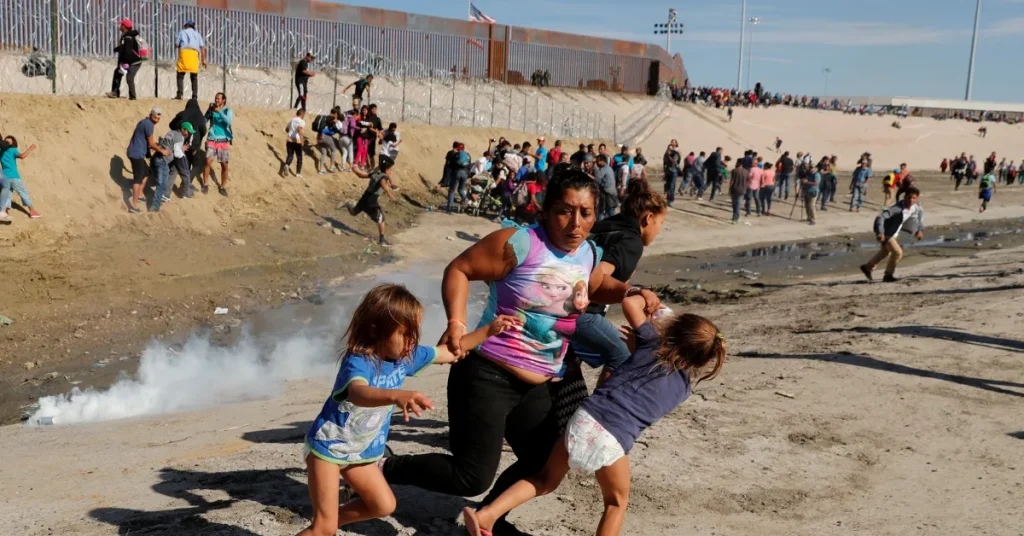
Some families have already acted. In Texas, ICE detentions prompted a Venezuelan family to self-deport to Mexico late last year, according to court filings cited in the case. Others have delayed major decisions, uncertain whether remaining in the country will expose them to detention or separation.
Government officials have taken a different view. The Department of Homeland Security said conditions in Venezuela have changed and argued that the temporary nature of the program allows it to be ended.
But the appeals court said federal law does not permit the government to terminate protections for an entire country while a designation remains in effect.
The ruling also affects Haitians, whose protections were terminated under a similar process. While the administration has not appealed that portion of the decision, separate plans are moving forward to end protections for Haitians as well, adding to the sense that the legal landscape is shifting faster than families can adapt.
What happens next is uncertain. The administration may continue to appeal, the Supreme Court may take up the case, or protections could remain suspended for months. In the meantime, Venezuelans remain in legal limbo — recognised by the courts as unlawfully stripped of status, but still treated as if that status no longer exists.
For those affected, the pressure is not abstract. It shows up in delayed paychecks, postponed moves, children leaving schools, and families weighing whether to leave before enforcement reaches them. The law has spoken, but daily life has not caught up.
Until the legal process fully resolves, Venezuelan migrants are living in the space between a ruling and its consequences — a place where nothing feels settled, and every decision carries risk.