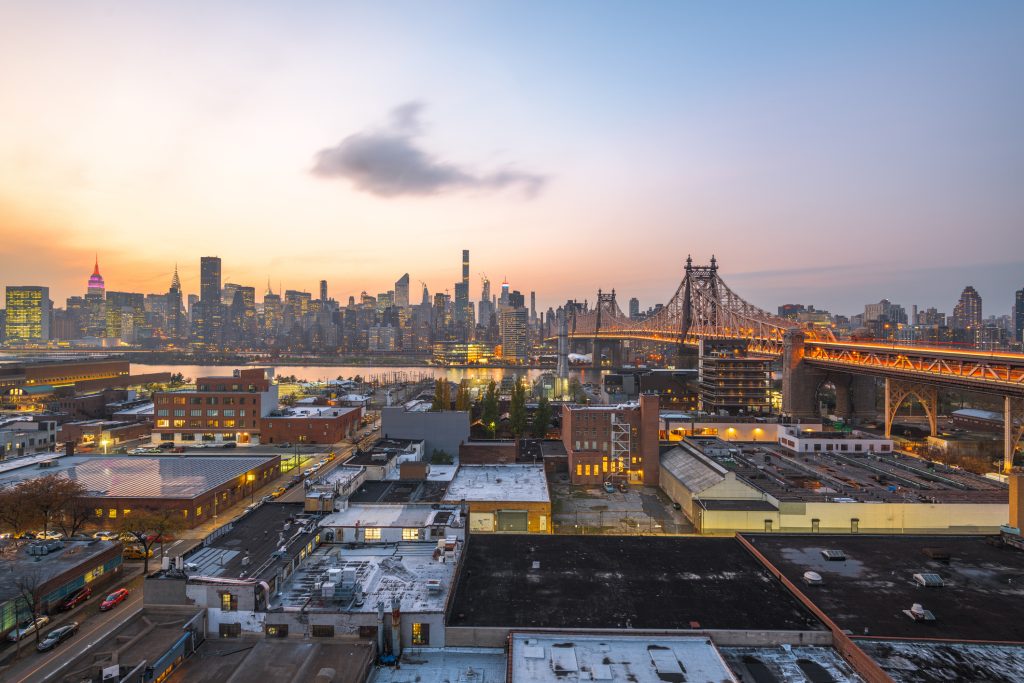
Queens Boulevard has a tragic nickname: “The Boulevard of Death.” Along with Northern Boulevard and Roosevelt Avenue, it’s part of a network known for dangerous intersections and serious crashes. Heavy traffic, speeding, and poor road design make these areas especially risky for drivers.
If you’ve been in a crash on one of these streets, understanding your rights and who may be responsible is crucial. K L Sanchez Law Office can help you face the legal process and pursue fair compensation.
Why Multi-Lane Arterials Cause Disproportionately Severe Crashes
Understanding the mechanics of why these roads are so dangerous matters when establishing liability after a crash. Multi-lane arterials create unique hazards that increase both crash frequency and severity:
Speed Differential and False Security
Wide lanes with posted speed limits of 25 mph (lowered from 30 mph under Vision Zero) still see actual vehicle speeds often exceeding 40 mph. The gap between the slowest and fastest vehicles creates constant lane-changing, merging conflicts, and rear-end collision risks.
Multiple Threat Scenarios
On a road with three or four lanes in each direction, the "multiple threat" crash is common: a driver in lane one stops for a pedestrian, but the driver in lane two doesn't see the person crossing and strikes them. These crashes often raise complex questions about comparative negligence. Was the pedestrian visible? Did the striking driver have time to react? Should the first driver have blocked the crosswalk?
Visual Complexity and Decision Overload
Drivers on Queens Boulevard must simultaneously monitor multiple lanes of traffic, watch for turning vehicles, check mirrors for cyclists, scan for pedestrians at crosswalks, read signage, and navigate around double-parked vehicles. This cognitive overload leads to attention failures, and when crashes occur, determining who had the right-of-way becomes crucial for injury claims.
How NYC's Vision Zero Data Impacts Your Injury Claim
Vision Zero tracking systems identify high-crash corridors and intersections through the city’s Vision Zero Priority Corridors, Priority Intersections, and Priority Areas. If your crash occurred at a location the city had already flagged as dangerous, this becomes relevant to questions of notice and liability. Did the city have a duty to implement safety improvements sooner? Had multiple similar crashes occurred at the same spot, suggesting a dangerous condition?
The publicly available Vision Zero data can show crash history, injury severity, contributing factors, and even the specific movements vehicles were making. For example, if you were injured at a Queens Boulevard intersection with a documented history of left-turn crashes, your attorney can use this data to establish a pattern and potentially argue that the intersection design itself contributed to your injuries.
This data also affects how insurance companies evaluate claims. Adjusters increasingly consult crash databases to determine whether a claimant's version of events aligns with typical crash patterns at that location. If you claim you were struck while legally crossing at a marked crosswalk where multiple similar crashes have occurred, the data supports your account. Conversely, if your story contradicts documented traffic patterns, expect more scrutiny.
Speed Cameras, Redesigns, and the Changing Liability Landscape
The presence of speed enforcement cameras on Queens Boulevard, Northern Boulevard, and Roosevelt Avenue fundamentally changes liability analysis in crashes on these corridors.
Speed camera evidence: If a crash occurred in a speed camera zone, footage and violation data can provide information on whether a driver was speeding at the time of impact. New York has over 2,000 speed cameras, with heavy concentrations in Queens. In injury cases, evidence that a defendant driver had multiple prior speeding violations in the same zone can demonstrate a pattern of reckless behavior, potentially supporting punitive damages claims.
The redesign effect: Since 2015, Queens Boulevard has undergone extensive redesigns: reducing and reconfiguring general-traffic lanes in some sections, expanding medians, shortening crossing distances, and adjusting signal timing. Northern Boulevard has seen similar changes. These improvements work; pedestrian fatalities on Queens Boulevard dropped dramatically after implementation.
But redesigns create a litigation wrinkle: timing matters. If your crash occurred before safety improvements were made, you might argue that the city negligently maintained a known dangerous condition. If it occurred after, the redesign itself becomes evidence that the city recognized the prior design was defective. It is what lawyers call "subsequent remedial measures." While generally not admissible to prove negligence, this evidence can be used to show the feasibility of safer alternatives.
Liability in transition zones: Some sections of these arterials have been redesigned while others haven't, creating inconsistent driver expectations. A driver accustomed to four lanes might not adjust behavior when the road narrows to two, causing crashes. These transition points are liability gray areas where both infrastructure design and driver behavior contribute to crashes.
What Drivers Need to Know After a Queens Crash
If you're involved in a crash on one of Queens' notorious corridors:
- Document everything: Photograph the intersection from multiple angles, noting lane configurations, signage, signal timing, sight-line obstructions, and any nearby speed cameras. This evidence degrades quickly as roadwork and changes occur.
- Report accurately: Tell responding officers exactly what happened. Inconsistent statements later can destroy credibility. Avoid apologizing or using language that may imply fault.
- Preserve medical evidence: Seek immediate medical attention even for seemingly minor injuries. The high-speed nature of crashes on these arterials means internal injuries may not manifest immediately.
- Consult an attorney familiar with Queens infrastructure: Not all personal injury attorneys understand how Vision Zero data, speed camera evidence, and intersection redesign history affect claims. Local expertise matters.
Queens' dangerous intersections exist at the crossroads of engineering decisions made decades ago and modern safety initiatives trying to undo that damage. For drivers and pedestrians navigating these streets, understanding this context isn't just academic; it's essential to protecting your rights and recovering fair compensation after a crash changes your life.