Understand Your Rights. Solve Your Legal Problems



Growing pneumonia admissions are affecting older adults and people with underlying health conditions across the UK.
Pneumonia cases continue to attract public concern after recent hospitalisations, including that of 63-year-old Wayne Lineker, highlighted how quickly respiratory infections can escalate.
Health data from England and Wales shows that pneumonia and influenza remain significant contributors to seasonal illness and mortality, particularly among older adults.
Clinical records released this year confirmed pneumonia as the underlying cause in the deaths of actors Val Kilmer and Diane Keaton. Health officials say the pattern reflects long-term trends rather than a single cause, with winter surges influenced by circulating viruses, age-related vulnerability and existing medical conditions.

Wayne Lineker revealed he was hospitalised after contracting pneumonia
The issue matters for public health because pneumonia remains one of the most common reasons for emergency respiratory admissions.
The illness can develop from several types of infections and environmental exposures, and it strains services when flu activity is high. Understanding how pneumonia forms—and who is most at risk—helps shape prevention campaigns, vaccination planning and guidance for when people should seek care.
The rise in cases also underscores long-standing concerns about respiratory resilience in ageing populations and the role of early treatment in preventing severe complications.
Clinicians note that pneumonia often follows other respiratory infections, including seasonal influenza. The relationship is well documented: flu can weaken the airway’s natural defences, allowing bacteria to reach the lungs.
The Office for National Statistics recorded more than 23,000 deaths in 2024 in England and Wales where influenza and pneumonia were listed together as the underlying cause, reflecting how commonly the two conditions overlap. International research has shown similar patterns after severe flu years, with post-viral pneumonia contributing to excess winter mortality.
Takeaway: rising pneumonia numbers are closely linked to broader seasonal respiratory trends, especially influenza circulation.
Pneumonia occurs when the air sacs of the lungs become inflamed and fill with fluid or debris, limiting oxygen exchange.
Common causes include bacteria such as Streptococcus pneumoniae, viruses including influenza and RSV, and less frequent sources like fungi. In some cases, aspiration of food or stomach contents can trigger a chemical or bacterial infection.
Global health agencies note that tuberculosis and water-related incidents, including near drownings, can also lead to lung inflammation classified as pneumonia. Treatment depends on the specific cause, and diagnostic testing has become more widely available in recent years to help clinicians tailor care.
Takeaway: pneumonia is a lung inflammation with multiple proven causes rather than a single, uniform illness.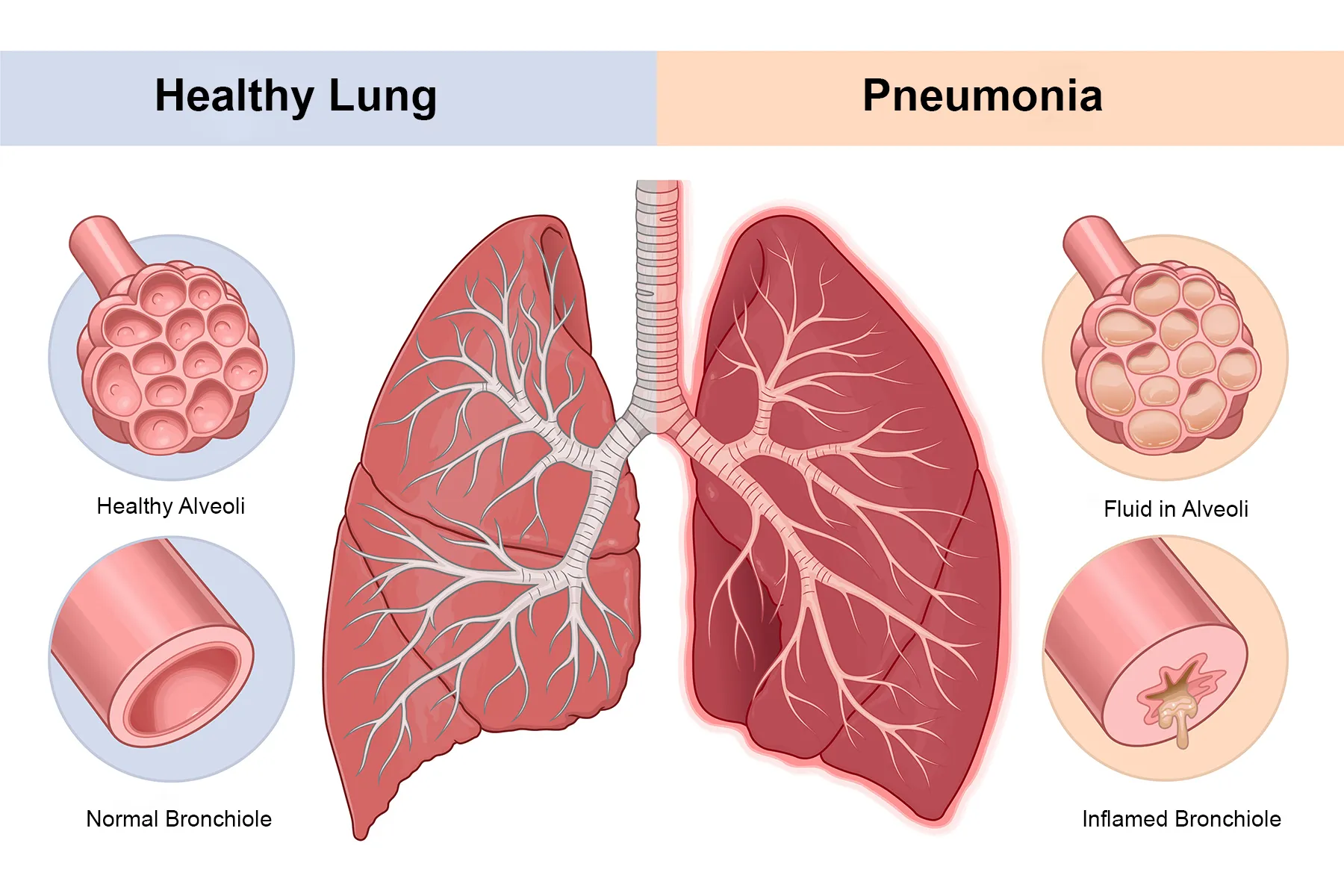
Ageing reduces immune responsiveness and lung elasticity, making it harder to clear pathogens. Frailty, chronic conditions and reduced physical activity can increase the likelihood of infection.
Public health bodies across Europe have reported that older adults have the highest rates of pneumonia-related hospital admission. Vaccination programmes targeting influenza and pneumococcal disease are designed to protect this group, though uptake varies by region. Similar challenges are observed in countries with rapidly ageing populations, including Japan and Italy, where pneumonia prevention is a major health priority.
Takeaway: older adults are disproportionately affected because age-related changes make the lungs and immune system less resilient.
Without timely treatment, pneumonia can cause respiratory failure or lead to sepsis, which occurs when infection enters the bloodstream.
The UK Sepsis Trust and NHS guidance emphasise rapid response because early intervention reduces the likelihood of organ damage. While severe cases often require ventilation or intensive care, many people with mild pneumonia recover at home with rest, fluids and medication. Digital triage tools and expanded urgent care centres have helped clinicians identify when imaging or hospital evaluation is needed.
Takeaway: complications emerge when infection spreads or breathing becomes impaired, making early assessment essential.
Health authorities advise several evidence-based steps: getting recommended vaccines, stopping smoking, staying physically active, and managing conditions such as diabetes and heart disease.
Hospitals also follow strict ventilation and surgical protocols to reduce pneumonia associated with medical procedures. Global studies suggest that recovery timelines vary widely, with fatigue and cough often lasting weeks even after treatment. Most people who recover from pneumonia do not face an increased lifetime risk unless other long-term factors are present.
Takeaway: prevention and recovery depend on overall health, vaccination and prompt treatment decisions.
Is pneumonia contagious?
Some types are. Bacterial and viral pneumonia can spread through droplets, while aspiration and chemical pneumonia cannot.
How is pneumonia diagnosed?
Doctors typically use symptoms, chest exams, imaging such as X-rays and, when needed, blood or sputum tests to identify the cause.
Can pneumonia be treated at home?
Yes, mild cases may be managed with rest and prescribed medication, but severe symptoms require urgent medical evaluation.
Do vaccines prevent pneumonia?
Influenza and pneumococcal vaccines reduce the risk of the most common forms of pneumonia, especially in older adults.
How long does recovery take?
Recovery varies but often ranges from a few weeks to several months depending on age, severity and underlying health.
Pneumonia remains a significant public health concern because it develops from many sources and disproportionately affects older adults.
The condition places sustained pressure on health systems during periods of high flu activity, and cases such as Wayne Lineker’s highlight how suddenly symptoms can escalate. Clear guidance, timely care and vaccination remain the most effective tools for reducing illness. Continued monitoring of pneumonia trends will help authorities adapt prevention strategies and communicate risk more effectively.
👉👉 Gary Lineker Lands Multi-Million-Pound Netflix Deal for 2026 World Cup Podcast 👈👈
👉👉 Simon Jordan Returns To Watch Crystal Palace After 15-Year Absence 👈👈