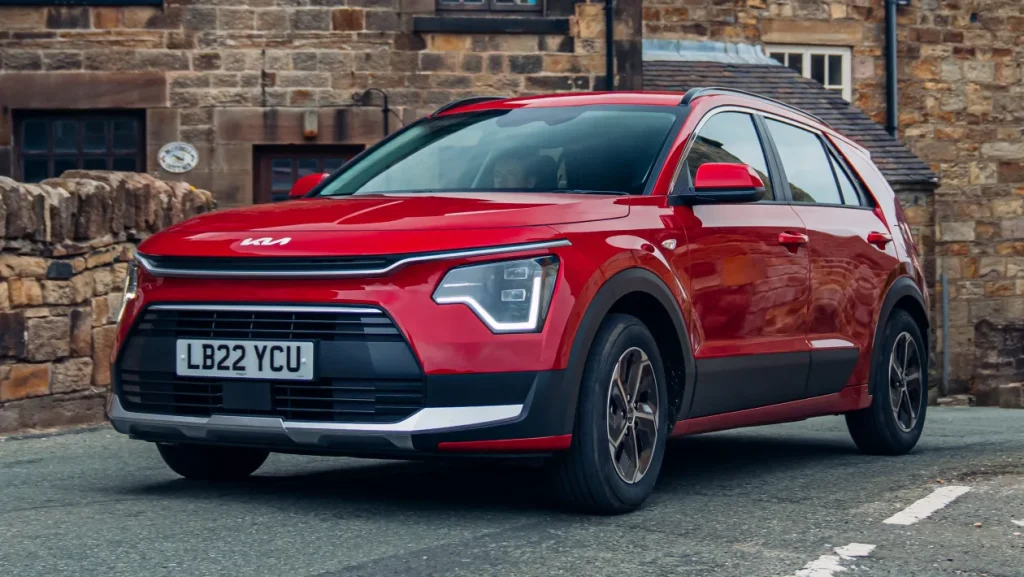
UK hybrid drivers to face new per-mile road charge from 2028
The UK’s move to a per-mile road charge will increase running costs for almost one million plug-in hybrid drivers from 2028.
The UK government has confirmed that plug-in hybrid vehicles will be included in a new mileage-based road charge from 2028, marking a significant shift in how drivers will pay for road use. The plan, announced in the Autumn Budget, sets a rate of 1.5p per mile for hybrids and 3p per mile for fully electric cars. The change applies nationwide and affects drivers who currently rely on a mix of petrol and electric power.
The policy matters because it introduces a two-layer cost for hybrid motorists, who will continue paying fuel duty on petrol while also paying the new electric vehicle excise duty for all miles travelled. It also signals the UK’s shift toward replacing declining fuel revenues as electric adoption grows. The new approach will influence future vehicle choices, fleet planning and the pace of the transition to fully electric models.
What we know
The government’s 2028 scheme introduces per-mile road pricing for hybrids and battery electric cars. Plug-in hybrids will pay 1.5p per mile, and fully electric models will pay 3p per mile. Petrol and diesel drivers remain subject to fuel duty rather than a separate mileage charge.
Registration data from the Society of Motor Manufacturers and Traders shows 190,240 plug-in hybrids have been sold this year, up 37% compared with 2024. More than 948,000 are in use across the UK, with uptake strongest among company-car drivers due to lower benefit-in-kind rates.
Countries that have implemented per-mile charging for low-emission vehicles have seen demand react sharply. Iceland’s EV market share dropped from about 40% in 2023 to roughly 13% in 2024 after new taxes and reduced incentives.
The confirmed UK plan represents one of the most significant structural changes to vehicle taxation in more than a decade.
Community and official response
Motoring organisations have raised concerns about affordability. The SMMT has called the measure a barrier to adoption, noting that hybrids remain a transition technology for many households. The AA has highlighted that hybrid drivers will pay the per-mile charge on every mile while also paying fuel duty on petrol-powered travel.
Consumer polling by Auto Express shows a third of respondents view the change as poorly timed, with fears it may slow progress toward lower-emission vehicles. Some motorists have said they want clearer guidance on how mileage will be recorded.
The reaction reflects ongoing anxiety about the cost of shifting away from petrol and diesel models.
Audience impact and media context
The new charge increases the running cost of plug-in hybrids, especially for drivers whose journeys exceed their vehicle’s typical 40–50 miles of electric range. It narrows the cost gap between hybrid, petrol and fully electric models, which may influence both used and new-car demand.
The UK previously incentivised electric drivers through zero VED and reduced company-car tax. The 2028 model represents a move toward uniform taxation, similar to discussions underway in Germany, Australia and U.S. states exploring mileage-based road charging.
The policy also highlights a broader shift: as EV adoption rises, governments are developing new ways to replace fuel-based revenue.
Expert or data insight
The Office for Budget Responsibility has estimated that the new mileage charge could reduce EV demand by increasing lifetime costs. Its forecast suggested up to 440,000 fewer electric sales over five years, though Treasury modelling places the figure closer to 120,000 based on new grants and support for charging infrastructure.
International evidence shows similar patterns. New Zealand’s EV market share fell from 18% to 6% in the year after its per-mile charge and subsidy withdrawal.
Overall, available data indicates that cost changes have a direct and rapid effect on consumer uptake.
How to watch or listen
Drivers can access official updates through GOV.UK, where the Treasury and Department for Transport will release full guidance on mileage reporting, payment systems and any transitional arrangements.
Motoring groups including the AA and RAC will publish practical guides once the technical documents are available.
Motorists should rely on GOV.UK for confirmed instructions before the 2028 rollout.
Questions people are asking
Will hybrid drivers pay both the mileage charge and fuel duty?
Yes. Hybrid drivers will pay 1.5p per mile under the new scheme and will also pay fuel duty on the petrol used during any journey. This combined cost is central to concerns about “double charging.”
How much will electric cars pay?
Fully electric cars will pay 3p per mile. They do not pay fuel duty, so the per-mile rate for EVs is higher than the hybrid rate.
Is this the end of EV incentives?
No. The government continues to offer grants, charging-network funding and business-use incentives. However, VED and mileage charges will apply to electric cars from 2028.
How will mileage be recorded?
The government has not yet confirmed the recording method. Full details will be included in technical guidance expected ahead of the rollout.
Will any drivers be exempt?
No exemptions have been confirmed. Any changes will be included in the formal implementation documents.
What happens next
The Treasury will publish detailed rules and technical guidance ahead of the 2028 start date. The Department for Transport will outline procedures for mileage reporting, compliance and administration. Budget and Autumn Statement updates will include changes to grants, VED thresholds and charging-infrastructure funding.
The next formal announcement is expected when the government releases its implementation documents.
Final public-interest takeaway
The 2028 mileage charge marks a significant change in how UK roads are funded. Hybrid drivers will face higher running costs as the system evolves from fuel-based taxes to distance-based charging. The policy affects nearly a million current hybrid owners and will shape buying decisions for years to come. Clear information and early guidance will be essential as the UK adapts to a new model of road taxation.
📘 For readers following legal issues: 👉👉 Has Your Reputation Been Attacked? UK Defamation Law Explained for the Public